Driving opens the parts of Australia that tours and public transport cannot reach: coastal towns, national park carparks, the long quiet roads of the inland. It is also where many visitor accidents happen. Roads are generally good. Distances are huge. Help can be far away. Conditions are unfamiliar.
Licences for visiting drivers
In most states and territories, visitors can drive on a current overseas licence for a limited period, as long as they remain visitors. If your licence is not in English, you generally need an International Driving Permit or an official English translation, carried with the original. Some states require people who become residents to convert to a local licence within a set time.
Hire companies add their own rules: minimum ages, young-driver surcharges, which licence categories they accept. Check when you book. The heritage car hire essay stays live for the contract-reading version of this topic. This page is the road culture.
Left side, limits, and the ordinary enforcement
Drive on the left. Give way rules, roundabouts and school zones deserve a slow first day. Speed limits are in kilometres per hour. Urban defaults are often 50 unless signed otherwise; school zones drop lower at published times. Open highways are faster, but a number on a sign is not a target in rain, dusk or roadworks.
Random breath testing is normal. Drug testing exists. Seatbelts are required. Child restraints follow state rules. Using a handheld phone while driving is illegal. None of this is regional colour. It is how the road is policed.
Cities, tolls and parking
Sydney, Melbourne and Brisbane use electronic tolling. Hire cars are usually enrolled; you still pay. Do not assume a cash booth. Parking in city centres is timed, paid and enforced. If the itinerary is mostly urban, ask whether you need a car at all: Sydney, Melbourne and Brisbane are usable on public transport for the inner grain.
Fatigue, wildlife and road trains
Country driving fails people who treat a six-hour line on a map as a city commute. Stop. Share driving. Do not plan to arrive at dusk on roads where kangaroos, livestock or feral animals are active.
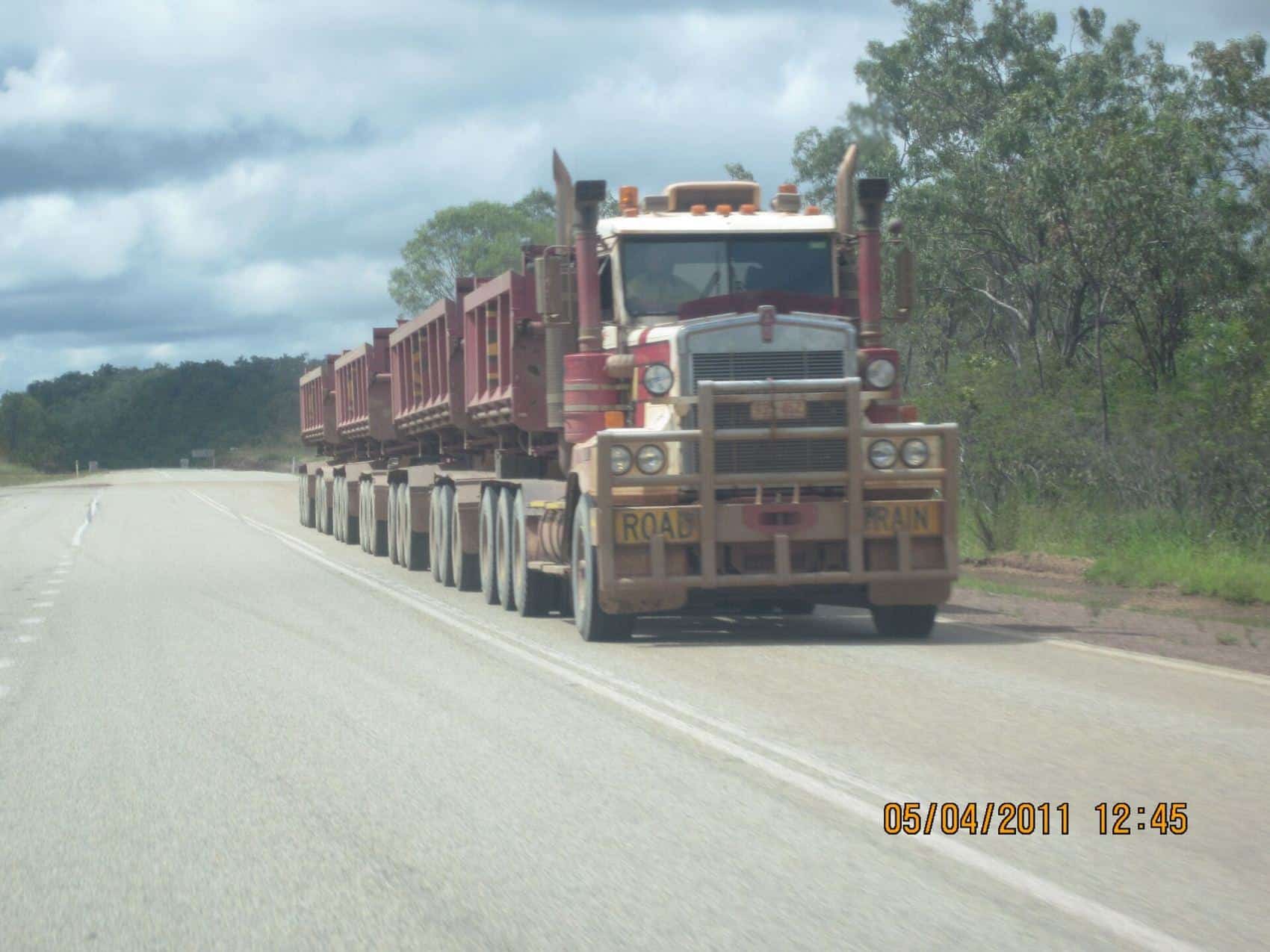
Road trains are long, heavy and real. Overtake only with a clear, long view. Oncoming dust on unsealed roads can hide a vehicle. If you cannot see, slow down.
Unsealed roads, including famous ones, can void hire insurance. “Everyone drives it” is not a clause. If the contract forbids it, believe the contract. 4WD hire for remote tracks is a different product, with recovery, communications and experience attached.
Outback and remote driving
Tell someone your plan. Carry water. Stay with the vehicle if it fails; shade and a large object are easier to find than a person walking inland. Check the live road report for the territory or state — the Northern Territory’s road report is the model for wet-season closures, but similar pages exist elsewhere.
Fuel distances can be long. Do not arrive on fumes because a mapping app assumed 24-hour bowsers. In the Red Centre, Kimberley and inland Queensland, closures after rain are normal.
Mobile coverage dies between towns. Download maps. A personal locator beacon is a serious option for remote walking and driving, not a gadget flex.
When not to drive between regions
Sydney to Perth, Melbourne to Darwin, Adelaide to Cairns: these are flights for a holiday of ordinary length. Driving them is the trip. If you want the Great Ocean Road, drive the Great Ocean Road. If you want the reef, fly to a gateway and then use a car locally. The plan hub is blunt about subtraction for this reason.
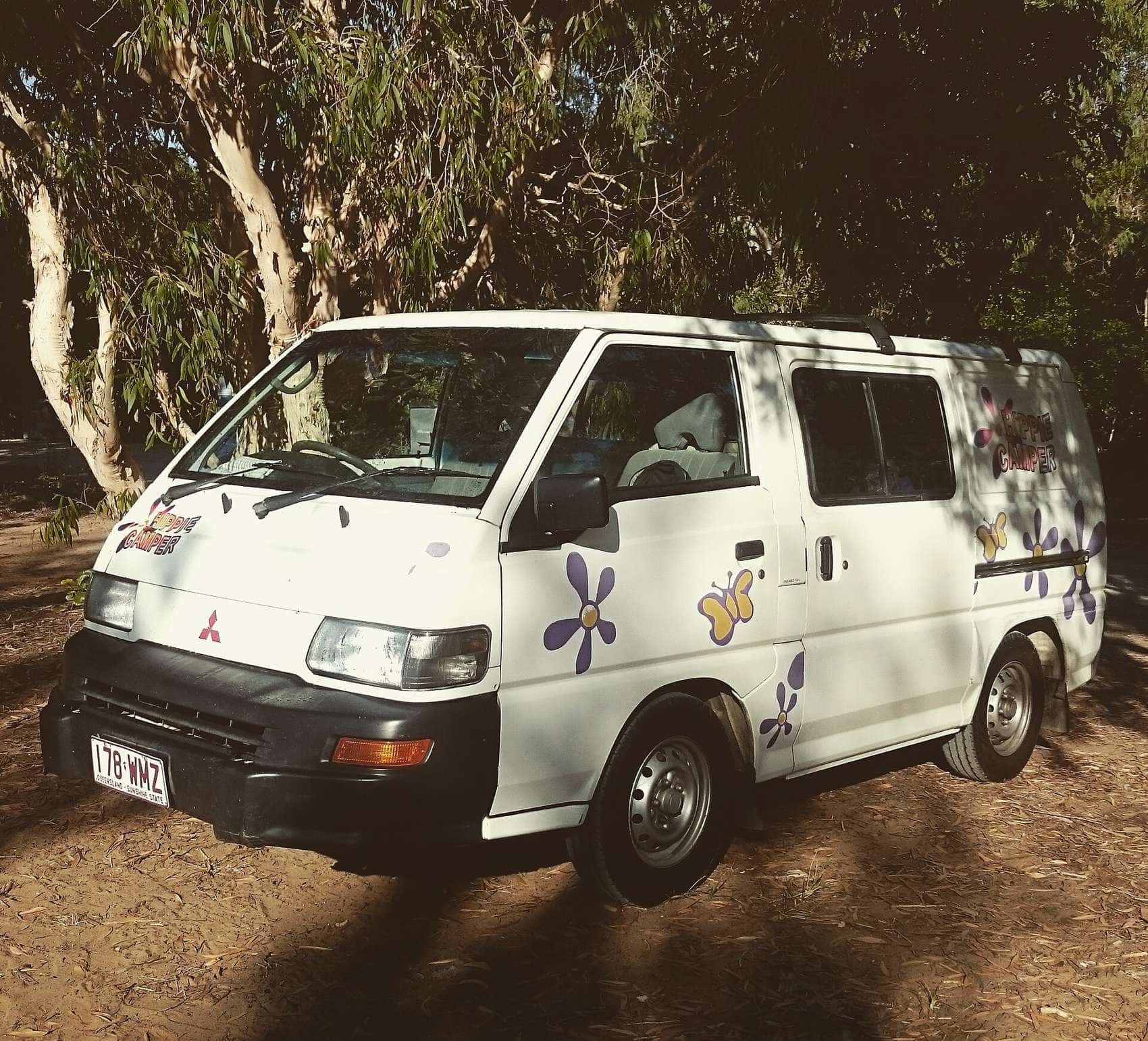
Campervans follow the same road rules plus living rules. See campervan hire.
Accidents, breakdowns and insurance
Know the hire company’s roadside number before you leave the depot. In an emergency, call 000. On a fast highway, hazard lights and a safe place matter more than photographs.
Vehicle excess and travel insurance are different products. Read travel insurance for the visitor health-and-cancellation questions; read the hire contract for windscreen, underbody and single-vehicle rules. We name neither a cheapest policy nor a safest operator.
Drive shorter first days. Arrive in daylight. Leave earlier than pride suggests. That is the whole skill.
State authorities and live checks
Licence validity for visiting drivers is published by each state and territory road authority. Queensland, New South Wales, Victoria, South Australia, Western Australia, Tasmania, the Northern Territory and the ACT do not share a single sentence. Read the one that matches the hire desk.
Road reports matter more than blogs after rain. The NT road report is the famous one; other states publish closures for fire, flood and alpine ice. Parks close walking tracks independently of the highway.
If you have never driven on the left, practise in a quiet suburb, not on the Harbour Bridge in peak hour. If you have never met a road train, do not overtake on a blind crest to “keep up”. If you have never seen a kangaroo at dusk, do not schedule a dusk arrival to save a motel night.
Field notes for driving Australia
Tolls are electronic. School zones are slow. Fatigue is a listed killer. Unsealed clauses are real. Remote driving wants water, a plan shared with a person, and the humility to stay with a broken vehicle.
Fly between regions. Drive within them. That split keeps more visitors alive and happier than any scenic route list. This live URL exists because it was already indexed. The heritage car-hire essay remains a 200 page on its Joomla path. Official road pages override both. No hire rate will appear here.
Highway roadworks, contraflow, and night closures appear on state traffic apps. Use them. A “shortcut” over a range in fog is not clever. Alpine chains are a winter fact in the High Country when signs say so.
Hire fuel policy is usually a full-to-full ritual with a premium if you miss it. Photograph the gauge. Photograph the windscreen. The depot argument you win is the one with pictures.
Hire desks, damage, and the first hour
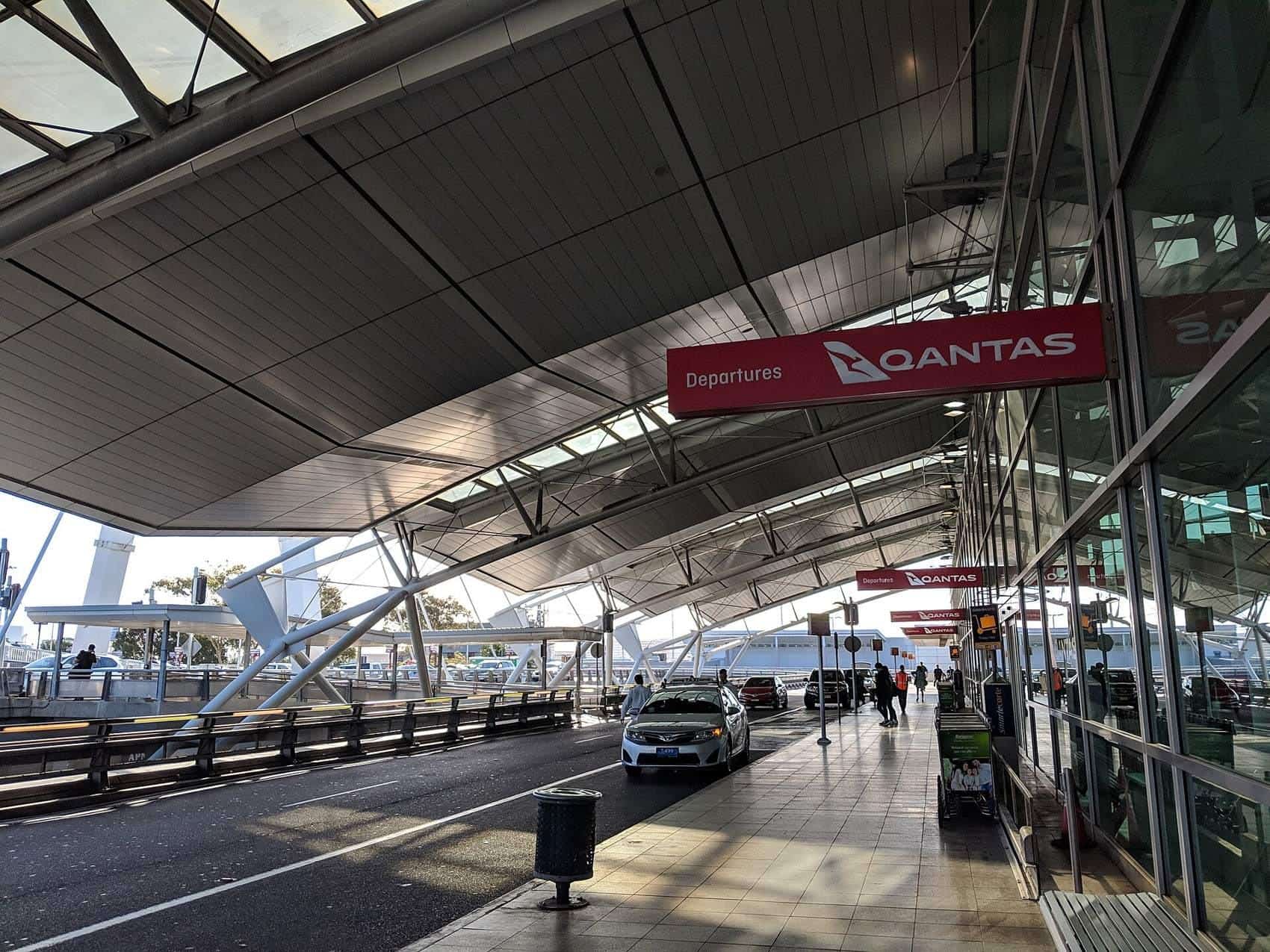
Airport hire desks are noisy. People sign without reading the unsealed clause. Do not be those people. Ask, in a sentence, whether the roads you plan — including that “short dirt access to the lookout” — are allowed. If the agent does not know, do not drive them.
The first hour should be quiet roads, mirrors, left-side turns, and a petrol station to learn which side the filler is on. The first hour should not be a tunnel with tolls and a GPS that wants a U-turn.
At night in the country, drop your speed. If you hit an animal, hazard lights, safe place, 000 if people are hurt, hire roadside if the vehicle is wounded. Do not wander into the dark lane to inspect a kangaroo.
Cyclone, flood and fire warnings can close a highway you planned around. Have a flight in your pocket for the long gaps. Driving is a region tool. It is not the national glue.
Motorways, country roads, and the speed you think you can do
Posted limits on open highways feel slow if you are used to autobahns. They exist because of fatigue, animals, road trains and the recovery time if it goes wrong. Police enforce them. So do the physics of a tired visitor at 4 p.m. on glare.
Country roads narrow without warning. Gravel shoulders eat tyres. Floodways have depth markers because people drown in them. If water is over the road, you do not drive it. That is the whole rule.
In cities, bus lanes, clearways and school drop-off chaos will undo a tight timetable. If the day’s joy is a national park, leave the city before the peak, not after a leisurely brunch. The park carpark fills. The walk still wants water.
This live driving URL and the heritage car-hire essay are siblings. One is the road. One is the contract. Official state authorities override both. No rate, no ranking, no “best hire desk at Mascot”.
A closing note on distance
Count driving hours as activity, not as leftover. A four-hour transfer after a walk is how ankles and attention fail. Split it. Sleep in the town that makes the next morning short.
If two regions are a flight apart, buy the flight. If they are a coastal day’s drive apart with a proper overnight, drive. That binary keeps more trips kind. Official road authorities, hire contracts and park alerts override this page. This URL remains a 200 because it was already live.
Frequently asked questions
Which side of the road do Australians drive on?
The left. Give yourself a quiet first hour out of the airport rather than a motorway merge in peak hour.
Can I drive on my overseas licence?
In most states and territories, visitors can drive on a current overseas licence for a limited period. If it is not in English you generally need an International Driving Permit or official translation. Rules differ by state — check the road authority where you hire.
Sources and further reading
Facts on this page were checked against these primary and official sources. Conditions change — confirm before you travel or buy.
- Smartraveller — Australian Government
- Queensland visiting drivers — Queensland Government
- NT road report — Northern Territory Government