Australia has excellent hospitals and a domestic Medicare system that does not automatically cover visitors. Reciprocal health-care agreements exist with some countries for some services; they are not a substitute for travel insurance. Smartraveller’s advice to Australians going out is still the right tone for visitors coming in: insure the trip.
This live URL is the visitor-facing essay. The heritage insurance article stays on its Joomla path with the same refusal to rank products. Read either; buy from a party you can verify; keep the policy number somewhere that works without hotel wifi.
Why visitors insure Australia trips
Medical care, ambulance and evacuation from remote country are expensive without cover. A cancelled domestic flight after a cyclone, a camper returned late because a road closed, or a stolen bag in a city hostel are ordinary holiday problems. None of them are arguments for a particular brand.
Activities change the policy: scuba, skiing, hiking above a named altitude, motorcycle, off-road driving. If the trip includes the reef or alpine walking, say so on the application. If the trip is mostly Sydney museums and ferries, say that too. Lies on an application are how claims fail.
Questions to ask a policy
Does it cover the whole calendar, including stopovers? Does it cover the activities you will actually do? What is the excess? Does it cover rental-vehicle excess or is that a separate product (it usually is)? Are pre-existing conditions declared? Is there wording you need to read on pandemics, adventure sports or unsealed roads? How do you contact them from a gorge with one bar of signal?
Does it cover the people actually travelling, including children, at the ages they will be on the last day of the trip? Does it require you to follow official warnings — BOM, park closures, Smartraveller — for the claim to hold?
We will not fill those answers in with a sample table. The Product Disclosure Statement is the document.
Reciprocal care, working visitors, domestic travellers
Some countries have reciprocal health-care agreements with Australia. They can cover some public-hospital services for eligible people. They are limited. They are not travel insurance. Home Affairs and Services Australia describe the agreements; we will not paraphrase them into a promise.
Working holiday makers should read both visa conditions and insurance. A job in hospitality does not make Medicare appear.
Australians travelling domestically sometimes insure for cancellation and baggage. That is a different purchase from visitor medical cover. Name the trip honestly.
Campers, cars and the gap between policies
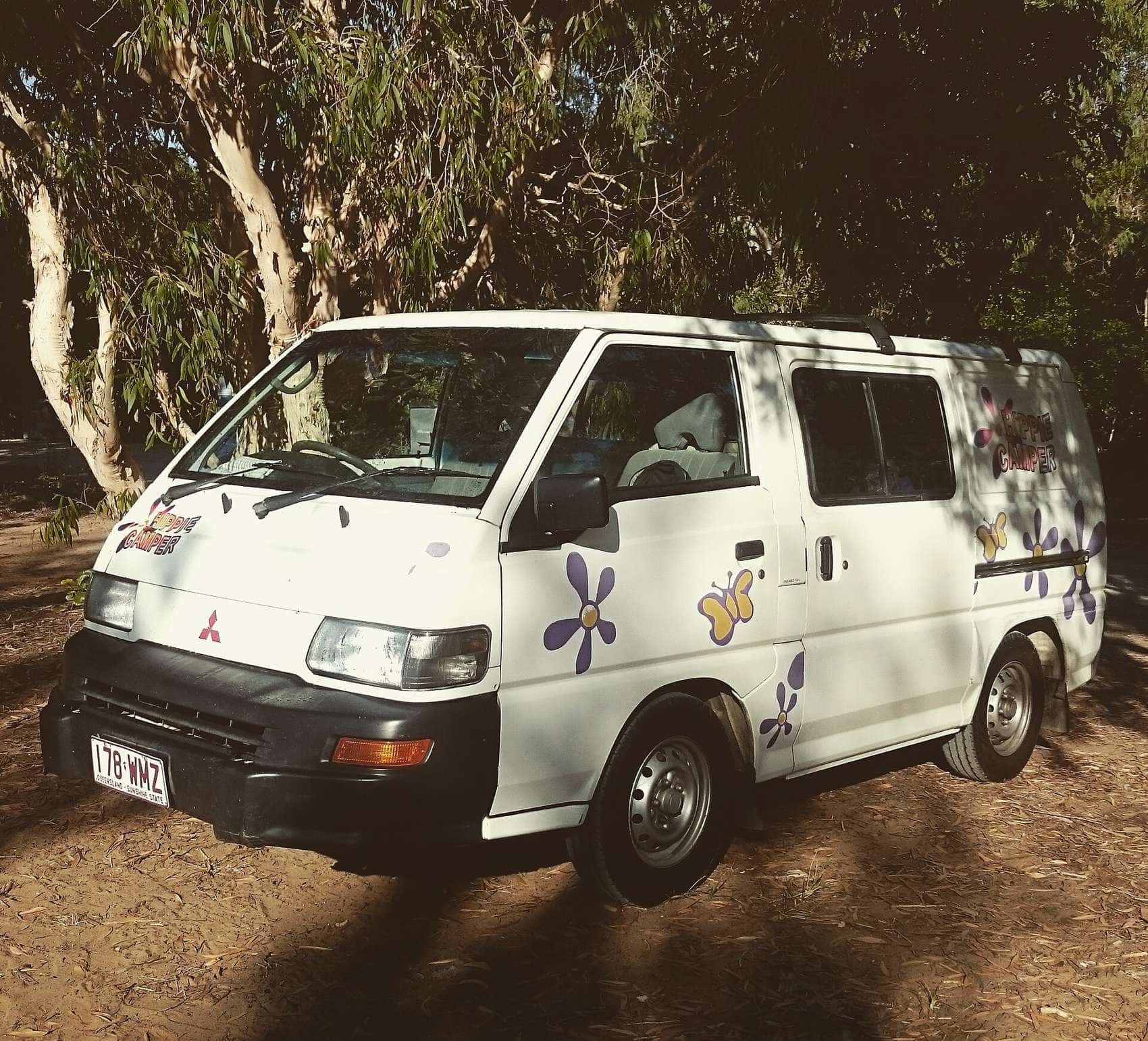
Hire-vehicle insurance and travel insurance overlap in conversation and rarely in contracts. Windscreen, underbody, single-vehicle rollover, and driving on unsealed roads sit with the hire company. Medical and trip cancellation sit with travel insurance. See driving, campervan hire and camper insurance.
How this sits with the rest of the site
Insurance does not replace season choice. A policy will not make January in Kakadu a dry-season walk. Read best time to visit. Insurance does not replace swimming between the flags, carrying water, or staying off a closed Uluru climb — the climb is closed regardless.
If you want the heritage wording and sources in the older article path, it is still a 200 page. This URL exists because it was already live and indexed. Both refuse to invent a price.
What a policy cannot do
It cannot make a closed park open. It cannot make Medicare appear for a passport that is not covered. It cannot make an unsealed clause in a hire contract disappear. It cannot replace swimming between the flags or carrying water on a desert walk.
Read exclusions for adventure sports, pandemics, alcohol, and “you ignored an official warning”. Then follow official warnings.
Keep policy numbers offline as well as in email. Outback coverage is patchy. The person in the travelling party who is not injured should know how to call.
Domestic versus visitor, and honest applications
Australians insuring a domestic camper trip are buying a different thing from a visitor buying medical cover. Name the trip. Name the activities. Name pre-existing conditions as the insurer requires.
If you will dive the reef, say so. If you will ski, say so. If you will only ride ferries in Sydney, say so. Applications that under-describe adventure are how claims fail.
Field notes for insurance as a category
Smartraveller recommends insurance. We agree with the category and refuse the product ranking. Reciprocal health agreements are limited; read the official description for your country. Hire excess is usually separate.
This live URL stays because it was indexed. The heritage insurance article stays because it is a clean Joomla path. Buy from a party you can verify. We still will not name them, price them, or invent a payout.
Keep receipts for medical care. Know whether the policy wants you to call a number before hospital admission except in emergency. Know whether ambulance is included. In Australia, ambulance billing surprises visitors who assumed it was bundled with “hospital”.
If you take prescription medicine, carry it in original packaging with a copy of the prescription. Border biosecurity and drug rules are not insurance, but they sit on the same paperwork afternoon as the policy.
Remote Australia as an insurance geography
Evacuation from a reef pontoon, an island, a desert road or a Kimberley crossing is a different scale from a city clinic. Policies differ on evacuation, on “you chose to go remote”, and on whether a park closure is a claimable event. Read those paragraphs.
If you carry a PLB for remote walking, that is safety, not a substitute for a policy. If you decline insurance because you “never claim”, you are gambling medical bills against a story. Smartraveller’s recommendation exists because the gamble is lopsided.
For families, check that the policy’s definition of a dependent matches your children. For older travellers, check age bands. For anyone with a previous injury, check the pre-existing process, which may need a screening call.
Then go travel. The policy is a backstop, not the personality of the trip. Season, region and respect rules still do the actual work.
Cancellation, cuts, and the rest of the stack
Policies differ on whether a cyclone warning, a park closure, or a “you changed your mind” is claimable. Read the cancellation section with the same attention as the medical section. If your trip is a liveaboard or a remote lodge with its own weather cancellation rules, you may be stacking two contracts. Know which one pays.
Excess amounts vary. A low premium with a high excess is a different product from a higher premium with a low excess. We will not tell you which to pick. We will tell you to look at the number.
Keep the insurer’s emergency number in the phone, on paper, and with a person not on the trip. If you are travelling alone, that third copy matters more.
Then close the laptop and read a region guide. Insurance is a backstop. The holiday is climate, distance and respect.
A closing note on buying nothing here
There is no quote form at the bottom of this page that secretly ranks insurers. Affiliate slots in the codebase are not configured with live partner IDs. If a box appears empty, that is correct.
Buy insurance where you can read a Product Disclosure Statement, verify the company, and keep a number to call. Ask the questions listed above. Then close this tab and open a state hub. Smartraveller’s recommendation stands. Our refusal to name a product stands with it.
What this page is for
It is for the indexed URL that asked whether visitors need travel insurance in Australia. The direct answer remains yes, as a category, because Medicare is not automatic and remote evacuation is expensive.
Read the heritage insurance article if you want the same refusal on a Joomla path. Read camper insurance if the vehicle is the risk you are actually thinking about. Read driving if the unsealed clause is the risk. Then buy a policy from a verifiable company and return to a region guide. We will not complete that purchase for you.
If you already have annual travel cover from home, read whether Australia is in the territorial limits, whether scuba or unsealed driving is excluded, and whether ambulance is included. Annual policies hide their Australia gaps in definitions. A visitor medical policy and a hire-car excess product are still, usually, two purchases. Check both. Pack a card of blood type and medication names if you have them, and a copy of the policy in a sibling’s email. Remote clinics ask basic questions first. A PDF that will not open is not cover. Then go walk somewhere in the cool of the morning.
That is the whole insurance lesson this live URL is willing to teach.
Frequently asked questions
Does Medicare cover visitors?
Not automatically. Reciprocal health-care agreements exist with some countries for some services. They are not a substitute for travel insurance. Confirm with official sources for your passport.
Does this site sell insurance?
No. We do not name a cheapest policy, a best brand or a payout story.
Sources and further reading
Facts on this page were checked against these primary and official sources. Conditions change — confirm before you travel or buy.
- Smartraveller — Australian Government
- Visitor visas — Home Affairs