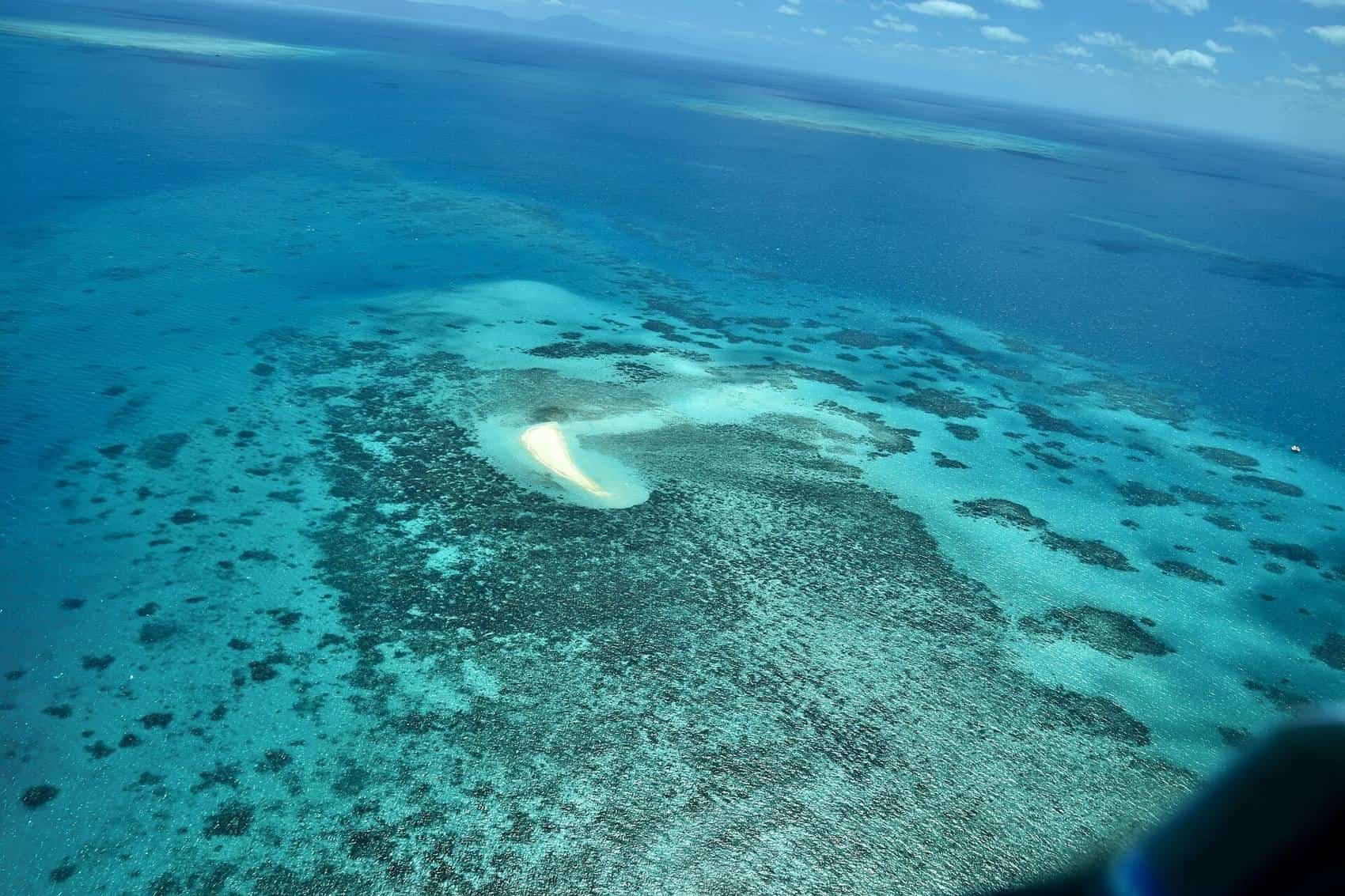
The Great Barrier Reef runs along the Queensland coast, made up of thousands of individual reefs and hundreds of islands. It was World Heritage listed in 1981 and is protected within the Great Barrier Reef Marine Park. Most visitors see it on a day trip from the coast. You can also stay on islands, take liveaboard dive trips or fly over it.
This live destination URL is the marine-park essay. The heritage Queensland Barrier Reef region page is the inhabited coast around the gateways. Read both if this is the trip. Neither invents a “best operator”.
Choosing a gateway
Cairns is the biggest gateway, with an international airport and the widest range of day trips to outer reefs and islands such as Green Island and Fitzroy Island. It is a practical first-timer base and a dive hub. Pair it with the Far North if the Daintree is the second chapter.
Port Douglas sits about an hour north of Cairns, with boat trips to outer reefs including the Low Isles, and a shorter run toward rainforest country.
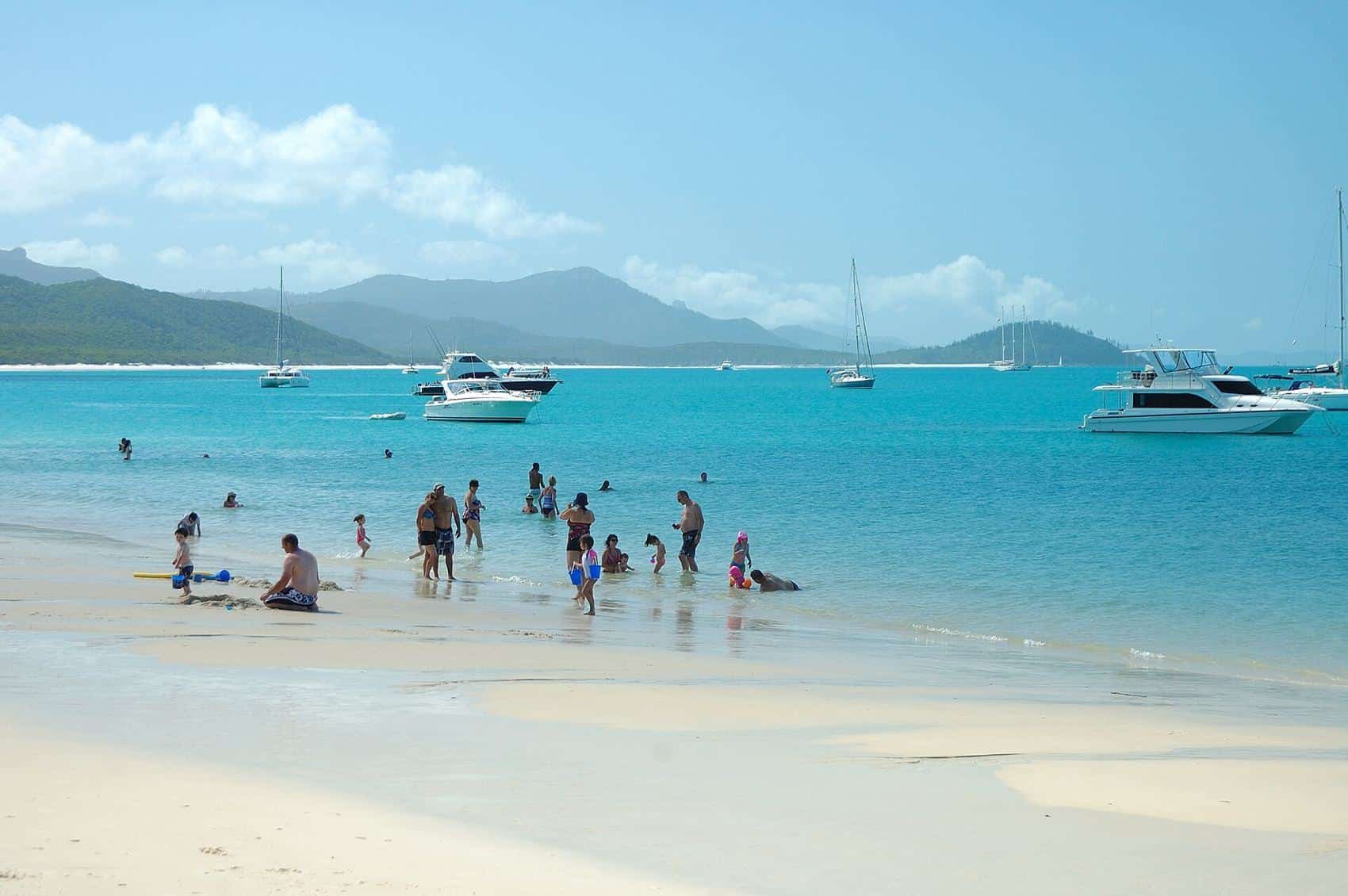
Airlie Beach and the Whitsundays are the base for sailing, Whitehaven Beach and reefs in that section of the park. It is a boats-and-islands grain, not a copy of a Cairns pontoon day.
The southern reef — towns such as Bundaberg, Gladstone and Agnes Water — gives access to coral cays such as Lady Elliot Island and Heron Island, known for turtles and manta rays in season. That is a different flight and a different pace.
Townsville and Magnetic Island sit with research institutions, a large aquarium, wrecks and island walking. See north Queensland.
Do not treat “the reef” as a thing you add after Sydney on a Tuesday. Fly to the gateway. Give weather a spare day.
Best time to visit
The reef is a year-round destination, but conditions vary:
- June to October: the drier season. Milder temperatures, lower humidity, generally better operating conditions in the north.
- November to May: warmer water, more rain, storms and tropical cyclones, especially in the far north. Dangerous marine stingers are most common in the warmer months, often from around October to May.
Wind cancels pontoon and island days in any month. Read best time to visit and the Queensland hub.
Ways to see the reef
Snorkelling is the most common day-trip activity. Crews provide gear; flotation is available if you are not a strong swimmer. Tell the crew about medical conditions.
Scuba includes introductory dives with an instructor and certified dives on day boats or liveaboards. Check that travel insurance covers diving. The heritage scuba essay stays live.
Glass-bottom boats and semi-submersibles suit non-swimmers and children.
Scenic flights show scale, including formations that are hard to read from the water.
Island stays let you snorkel from the beach at quieter hours. Availability and transfer weather are operational facts; we do not rank islands.
Stingers, seasickness and the charge
Box jellyfish and Irukandji jellyfish occur in tropical waters, mainly in the warmer months. Wear a full-body stinger suit (most operators provide them) and follow crew advice. Surf Life Saving Australia describes vinegar as the first aid for tropical jellyfish stings.
Take seasickness precautions for outer-reef trips. Outer reef is not a harbour cruise.
Tour operators collect an Environmental Management Charge on behalf of the Great Barrier Reef Marine Park Authority. It funds management and is usually included in the ticket. We will not quote the dollar amount; GBRMPA publishes it.
Protecting the reef
The reef faces pressures including climate change, coral bleaching, water quality and crown-of-thorns starfish. The Australian Institute of Marine Science monitors coral cover. You can help by choosing eco-certified operators, never touching or collecting coral or marine life, following zoning if you boat or fish independently, and taking rubbish with you.
Bleaching and cyclone damage mean the patch you visit is not a postcard from another decade. Go anyway with current expectations, or go another year. Do not stand on coral to get the photo.
How long to spend
A single day trip is a taste. Two or three days lets you combine an outer-reef trip with an island, a flight or a rainforest day. Divers often choose multi-day liveaboards. If weather cancels, a spare day is the whole strategy.
Then stay on the coast long enough to be somewhere: Cairns and the reef region, not an airport lounge with a snorkel in the bag. The destinations hub is the index if you are still pairing this with Uluru or a southern city — pair with a flight, not with optimism.
Zoning, research, and expectations
GBRMPA zoning maps say where you may fish, where you may only look, and where even looking has rules. Independent boaters need those maps more than day-trip passengers, who are carried by a permitted operator. Do not assume a pretty lagoon is a free-for-all.
AIMS and park reporting will tell you, in scientific language, that coral cover changes. Visit the reef that exists this year. A bleached pale patch is still a marine park, not a refund slogan we will write for you.
Island national parks and state marine parks sit beside the Commonwealth marine park. Crew briefings exist because the legal patchwork is real. Listen.
Combining the reef with rainforest, islands and cities
Cairns plus the Daintree is a classic pairing with a crocodile-and-stinger briefing attached. The Whitsundays plus an outer-reef day is a boats pairing. A southern cay plus turtle season is a calendar pairing you check with the island’s own page, not with this essay’s guess.
Sydney plus the reef is a flight. Uluru plus the reef is a flight. Melbourne plus the reef is a flight. The Queensland hub and the heritage region page are the geography. This page is the water.
Field notes for the reef
Spare a day for wind. Wear the suit in stinger months. Do not stand on coral. Do not touch. Do not invent a best pontoon. Official marine-park and weather pages override this URL. The live destination path stays because it was indexed; the Joomla region path stays because it is the coastal IA. Use both.
People who do not swim still have a reef trip: glass bottoms, semi-subs, island walks, museums in Townsville, scenic flights. People who swim poorly should say so early and take flotation. Pride is how rescues start.
Hats on boats need strings. Zinc is not a substitute for a suit in stinger months. Reef-sensible sunscreen exists; follow park and operator advice rather than a product ranking from us — we will not provide one.
Weather cancellation as part of the ticket
Outer-reef boats cancel for wind and swell. That is competence. Build a spare day. Have a land plan: rainforest, island without the outer crossing, aquarium, museum, a walk. Do not spend the spare day arguing with a skipper.
If you only have one day in Cairns, you have bought a coin flip. If you have three, you have bought a reef trip.
Liveaboards have their own weather logic and certification requirements. Introductory dives have medical questionnaires. Answer them. A reef day is not the moment to discover sinus problems at depth.
The Environmental Management Charge is not optional colour. Zoning is not optional colour. Stinger suits in the warmer months are not optional colour. The closed Uluru climb is a different park; the closed coral you must not stand on is this one.
Gateways as towns, not as logos
Cairns is a city with a reef habit. Port Douglas is smaller and closer to rainforest. Airlie is a harbour town with a sailing habit. Townsville is a larger city with an island and a research habit. Agnes Water and the southern cays are a quieter, longer-transfer habit. Pick the town you want to sleep in, not a logo on a map.
Give each gateway nights. A 6 a.m. pickup after a 10 p.m. landing is how people hate boats. Eat, sleep, go the next morning.
The heritage Barrier Reef region page names the inhabited coast in the old IA. This destination page names the water. Queensland’s hub names the state. You do not need a fourth essay. You need a spare day and a suit in stinger months.
A closing note on the two reef URLs
Use this destination page for the water: gateways, season, stingers, zoning, cancellation. Use /10-qld-regions/11-queensland-barrier-reef/ for the inhabited coast in the heritage IA. Use the Queensland hub if you have not chosen a gateway yet.
Together they replace a hotel-discount brochure that used to squat on similar words. GBRMPA, BOM and Surf Life Saving override all three. Spare a day. Do not stand on coral. Fly; do not pretend the reef is next to Uluru.
Frequently asked questions
When is the best time to visit the reef?
Roughly June to October is the drier, milder window, especially in the far north. The reef can be visited year-round. Wind, stingers and cyclones still shape the day.
Where should I base myself?
Cairns is the largest gateway. Port Douglas sits north toward the Daintree. Airlie Beach serves the Whitsundays. Southern towns reach coral cays. Choose by the trip you want, not by a ranking.
Sources and further reading
Facts on this page were checked against these primary and official sources. Conditions change — confirm before you travel or buy.
- Great Barrier Reef Marine Park — GBRMPA
- UNESCO listing — UNESCO
- Marine stingers — Surf Life Saving Australia
- Reef snapshot — Australian Institute of Marine Science