Waking up beside a beach, a national park or a quiet country town is the reason many people choose a campervan. In Australia, where the best scenery is often far from cities, a camper can make a road trip simpler. It is not always cheaper than a car and motels, and it needs more planning than many first-timers expect. This live URL is the hire-and-living essay; numbered heritage “tour” stubs 301 to the itineraries guide, which discusses pacing rather than selling a week.
Types of vehicle
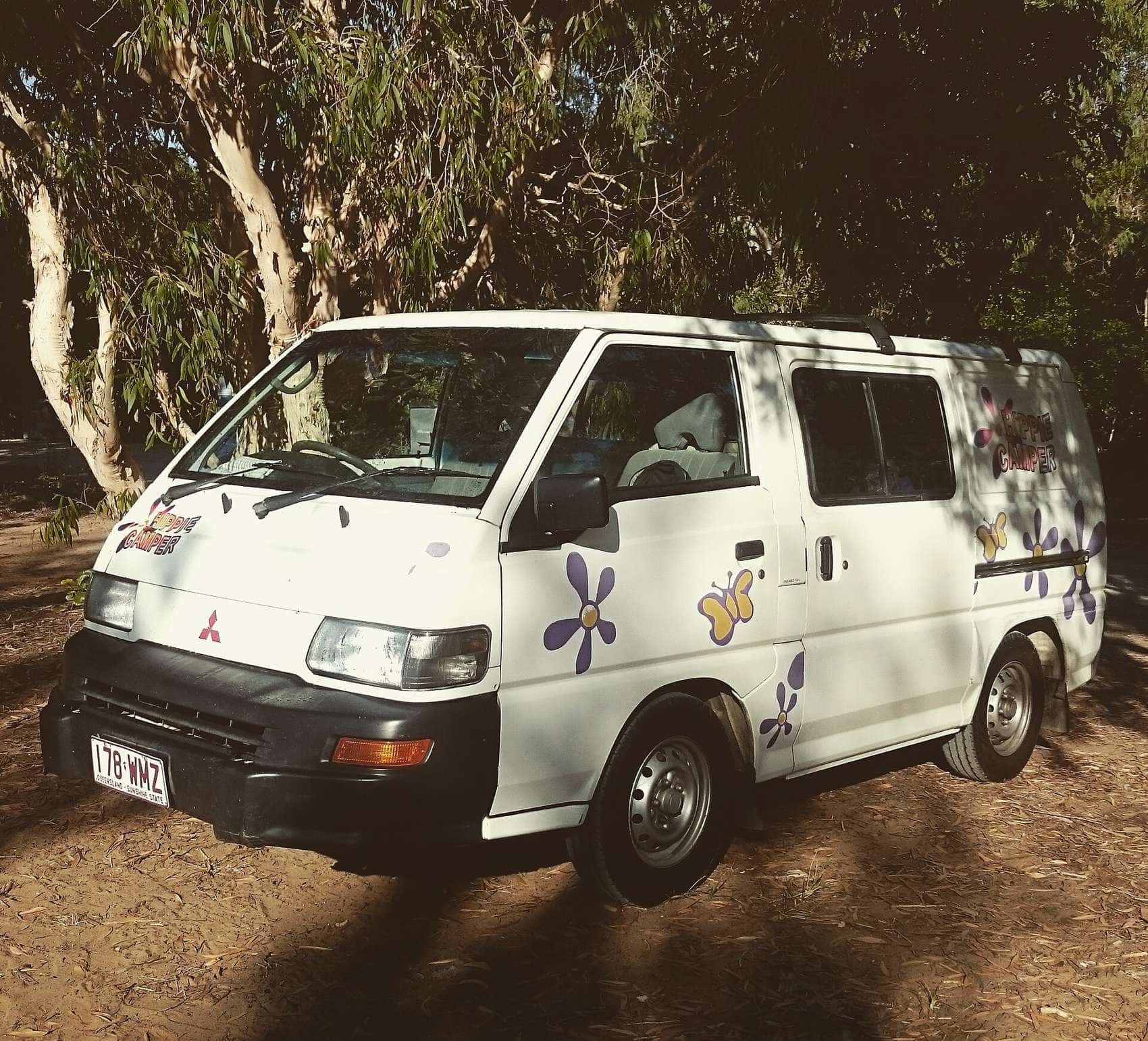
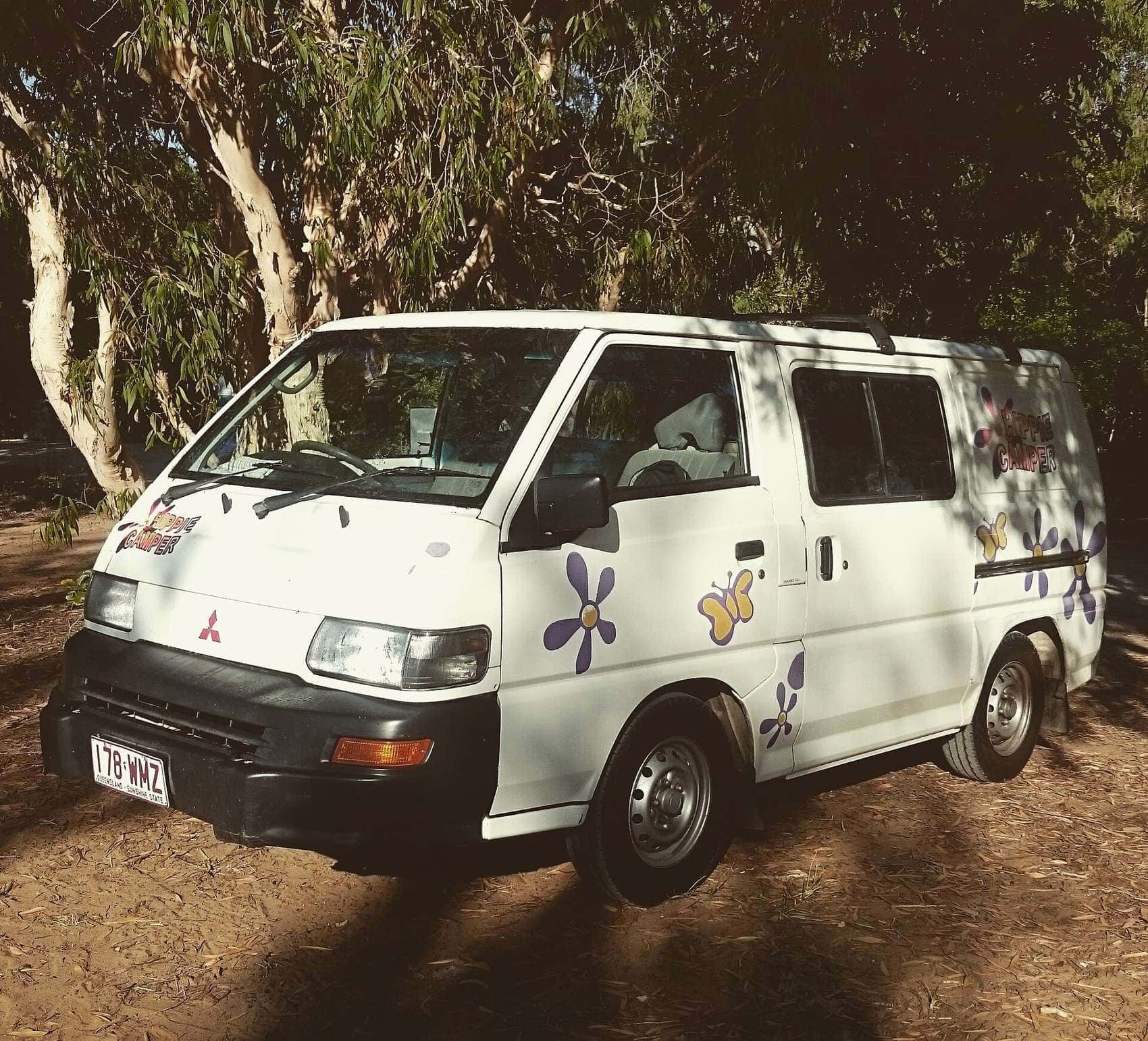
Small campervans are converted vans with a bed, basic kitchen and storage. They are easier to drive and park, and they suit two people who pack light.
Hi-top campers add headroom and often a fridge and sink inside.
Motorhomes are larger, often with a shower and toilet, suited to families or longer trips. They use more fuel and are harder to park in city streets and some national-park bays.
4WD campers are for unsealed and remote routes when the hire contract actually allows those roads. An unsealed clause can void cover. Read it.
Choose a toilet if you plan to stay at sites without facilities; some camps require self-contained vehicles. We will not name a brand or a “best for backpackers” ranking.
Licences and drivers
Most campervans can be driven on a standard car licence. Visiting drivers can generally use a current overseas licence for a limited period, with an International Driving Permit or translation if it is not in English. Rules differ by state. Hire companies set minimum ages and sometimes young-driver fees. See driving in Australia and the hire state’s road authority.
Pick up mid-morning after rest, not straight after a long-haul landing. Do a full handover: gas, water, power, toilet, spare tyre, roadside assistance number, return fuel rule. Photograph existing damage.
Understanding cost without inventing a rate
The daily rate is only part of the picture. Compare, on the operator’s own quote:
- Insurance excess, and what reduction options actually cover.
- One-way fees for different pick-up and drop-off cities.
- Kilometre limits, if any.
- Extras such as bedding, child seats, chairs.
- Fuel, especially for larger motorhomes and remote driving.
- Campsite fees over the real number of nights.
- Season: summer and school holidays are the demand peaks.
We will not publish a sample total. Add the live quote to campsite prices from park agencies, then compare with a car plus stays.
Where you can stay
You cannot simply park anywhere for the night.
Caravan and holiday parks offer powered sites, showers, laundries and dump points. They are the easiest choice in peak season.
National park campgrounds are often in the landscape you came for, with basic facilities. Many must be booked through the state park agency. Popular sites fill in school holidays.
Free and low-cost camps exist in some rural areas, sometimes managed by councils. Rules on length of stay and self-containment vary.
Showgrounds and farm stays appear in some regions.
Many councils ban sleeping in vehicles in urban streets and some coastal carparks, and rangers issue fines. Follow signs. Dump grey and black water only at dump points. Never empty waste onto the ground or into stormwater.
Routes that match a camper, and ones that do not
Tasmania is compact, scenic and well set up for campers if you give it a week or more. Combine Hobart and the south-east with whatever west or east chapter you can honestly finish. See the Tasmania hub.
Melbourne to Adelaide via the Great Ocean Road and the Coorong is a southern journey, not a day. Read Victoria and South Australia.
The east coast from Sydney toward Brisbane or Brisbane toward Cairns is beaches, hinterland and, if you keep going, reef gateways. It is busy in school holidays. Pair with NSW and Queensland region pages rather than a dotted line on a map.
The Red Centre — Alice Springs, the West MacDonnells, Kings Canyon, Uluru — is a cool-season, large-distance drive. See Uluru and the Red Centre.
Western Australia from Perth toward the Coral Coast or into the South West suits travellers with time. The Kimberley is a different, often more remote, dry-season proposition. Read the WA hub.
A camper does not make Sydney to Perth a casual idea. Fly between distant regions, then hire locally.
Living in the vehicle
Space is tight. Pack away loose items before driving. Fridges on many campers run off a second battery that charges as you drive, so plan powered nights if you are not covering distance. Fill water at parks and visitor centres. In heat, park in shade and ventilate. In Tasmania in winter, check whether the vehicle has a heater and bring warm bedding.
Return the vehicle clean, cassette and grey water emptied, fuel at the agreed level. Depots may sit outside the city centre; allow time before a flight.
Campervan pick-up checklist
0 of 6 done
Ticks are saved in this browser only.
Is a campervan right for you?
It suits people who like cooking, flexible plans and outdoor living. If you prefer hotel comforts, or you are mainly in cities, a hire car with stays may be simpler. For insurance as a category, see camper insurance and the visitor travel insurance essay. We do not sell either.
Pacing, numbered tours, and honesty
Aust Travel once published numbered camper “tours”. Those URLs 301 to the itineraries essay because seventeen fake week-by-week products would violate the house rule against invention. What we can say here is: plan short first days, book campsites in peaks, and do not treat a camper as a motel that moves at highway hope.
Tasmania rewards a camper because the island is finite. The Stuart Highway punishes a camper because the continent is not. East-coast hopping works if you accept traffic, school holidays and the fact that a beach town carpark is not a free camp.
Dump points, grey water and cassette etiquette are part of keeping those free camps open. Locals notice. Rangers notice. The next visitor inherits your decision.
Field notes for camper travel
Photograph the van. Learn the fridge. Do not arrive at a remote bowser on fumes. Do not drive dusk inland for a sunset you can see from a booked bay. If the hire contract forbids unsealed roads, the Instagram track is not yours.
Pair this page with driving culture, camper insurance as a topic, and one region guide. Then stop adding kilometres. Official road authorities and park booking systems override this essay. We still will not invent a daily rate.
City pick-ups are the awkward part: height barriers, lane width, where to buy food without a two-hour circuit. Do the supermarket before the motorway. Sleep the first night somewhere booked and close. The romantic first-night beach is how jetlagged drivers clip awnings.
If two of you cannot share driving, cut kilometres in half. If children need a nightly dump of energy, park near a beach or a town oval, not a highway stopping bay. If you hate packing a kitchen every morning, you wanted a cabin. That is an allowed conclusion.
Coastal versus inland living
On the coast, the problem is rules and crowding: no sleeping in that carpark, booked-out holiday parks, height bars at the beach ramp. Inland, the problem is distance, heat, dust and the fridge battery. A coastal week in a small van can be joyful. An inland week in the same van without a toilet or enough water is a different education.
Powered sites every few nights keep batteries and sanity. Unpowered beauty spots are the point of the trip; they still need a dump point in the plan for the next morning.
Laundry exists in holiday parks. It does not exist in your Instagram sunset. Budget time.
If you hire in Sydney and drop in Cairns, you have bought the east coast as the trip. If you hire in Perth and drop in Broome, you have bought a much larger, hotter, more fuel-hungry trip. Read the region hubs before you pay the one-way fee. The fee is not listed here because we do not invent it; the geography is.
One-way realities and dropping the van
One-way hires exist because people want a line, not a loop. The line still has to match a climate. Cairns in the wet with a van you cannot legally take up a closed cape track is a damp carpark. Hobart in winter with a van that has no heater is a character-building mistake.
Drop-off depots close. Late aircraft do not reopen them. Build a buffer night in a hotel if your flight is international and early. Clean the van in daylight. Cassette etiquette at the dump point is part of the buffer.
If the one-way fee shocks you on the quote, that is information about geography. Sydney–Cairns is a coast. Perth–Darwin is a country. We will not invent the fee; we will say the second line is a different trip.
Share the driving. Stop at towns that have a bakery and a noticeboard, because those noticeboards still carry fire and road news. Then return the keys and go back to being a pedestrian in a city that did not need a van.
Frequently asked questions
Can I drive a campervan on a car licence?
Most campervans and many motorhomes can be driven on a standard car licence. Hire companies set minimum ages and their own insurance rules. Check the contract and the state road authority.
Can I park anywhere overnight?
No. Many councils ban sleeping in vehicles in urban and coastal streets. Use caravan parks, booked national-park campgrounds, or signed free camps that match the vehicle’s self-containment rules.
Sources and further reading
Facts on this page were checked against these primary and official sources. Conditions change — confirm before you travel or buy.
- Discover Tasmania road trips — Tourism Tasmania
- Driving in Victoria for overseas drivers — VicRoads
- Smartraveller — Australian Government