Waking up beside a beach, a national park or a quiet country town is the reason many people choose a campervan. In Australia, where the best scenery is often far from cities, a campervan can make a road trip simpler and more flexible. It is not always cheaper than a car and motels, however, and it needs more planning than many first-timers expect.
Types of vehicle
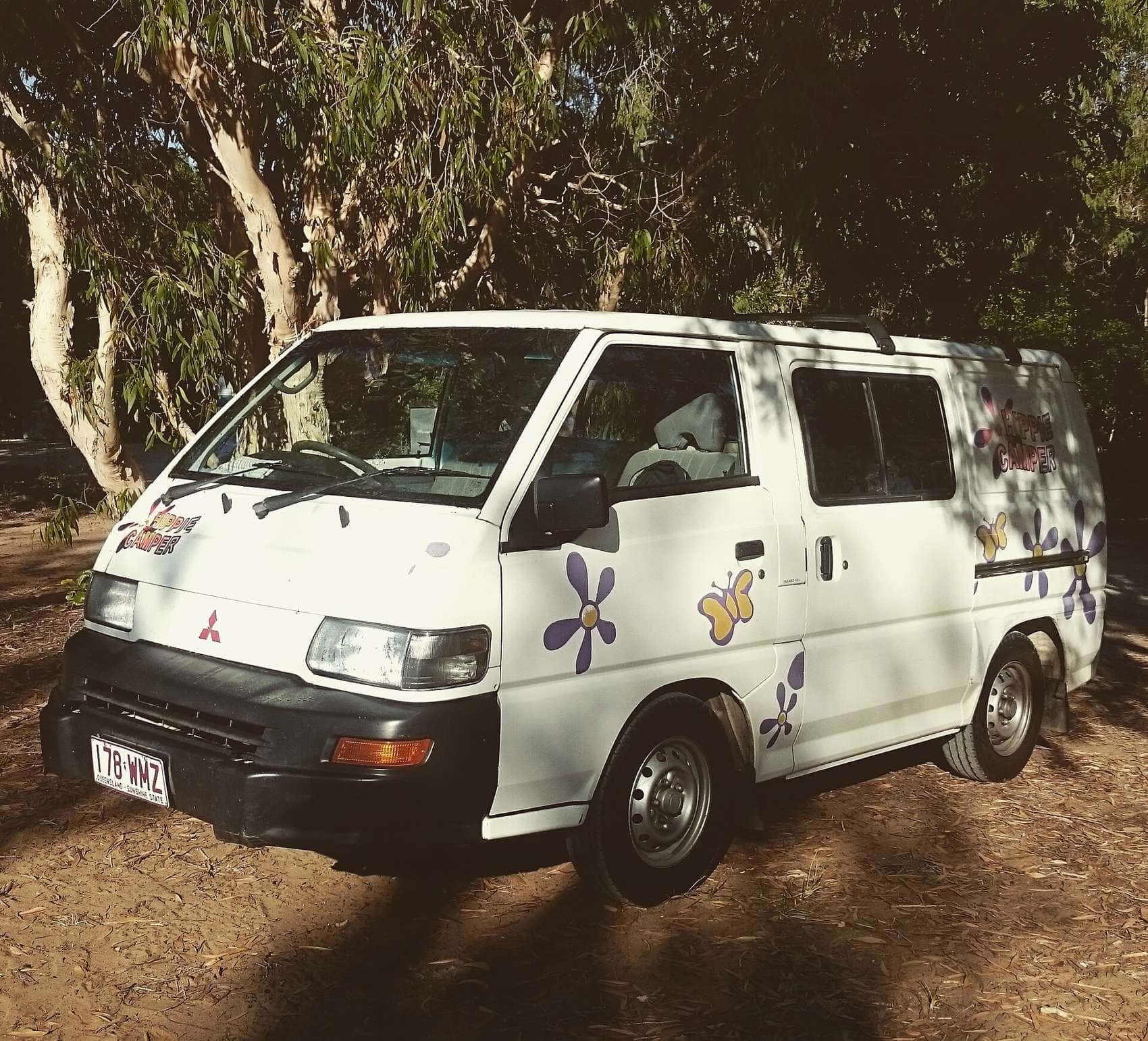
- Small campervans: converted vans with a bed, basic kitchen and storage. Easy to drive and park, suited to couples.
- Hi-top campers: more headroom and often a fridge and sink inside.
- Motorhomes: larger vehicles with a shower and toilet, suited to families or longer trips. They use more fuel and are harder to park.
- 4WD campers: off-road vehicles with rooftop tents or pop-tops for outback and unsealed routes.
Choose a vehicle with a toilet if you plan to stay at campsites without facilities, as some sites require self-contained vehicles.
Licences and drivers
Most campervans can be driven on a standard car licence. Visiting drivers can generally use a current overseas licence for a limited period, with an International Driving Permit or translation if it is not in English. Hire companies set minimum ages, and some charge young-driver fees. Check before booking. See driving in Australia.
Understanding the price
The daily rate is only part of the cost. Compare:
- Insurance excess. Standard hire usually includes a high excess. Excess reduction options cost extra per day.
- One-way fees for different pick-up and drop-off locations.
- Kilometre limits on some deals.
- Extras such as camping chairs, bedding, child seats and GPS.
- Fuel, especially for larger motorhomes and remote driving.
- Campsite fees, which can be significant over a long trip.
- Season. Peak periods such as summer and school holidays are much more expensive.
Where you can stay
This is where many first-timers get caught out. You cannot simply park anywhere for the night.
- Caravan and holiday parks offer powered sites, showers, laundries and dump points. They are the easiest choice, especially in peak season.
- National park campgrounds are often in beautiful locations, with basic facilities. Many must be booked in advance through the state park agency.
- Free and low-cost camps exist in rural areas, sometimes managed by councils. Rules on length of stay and self-containment vary.
- Showgrounds and farm stays are options in some regions.
Many councils ban sleeping in vehicles in urban streets and coastal areas, and rangers issue fines. Apps and guidebooks list legal camping areas, but always follow local signs.
Popular campervan routes
Tasmania. Compact, scenic and well set up for campervans. Combine Hobart, the east coast, Cradle Mountain and the west.
Melbourne to Adelaide. The Great Ocean Road, the Grampians and the Coorong make a classic southern journey.
The east coast. Sydney to Brisbane, or Brisbane to Cairns, with beaches, rainforest and the Great Barrier Reef. This route is busy in school holidays.
The Red Centre. Alice Springs, the West MacDonnell Ranges, Kings Canyon and Uluru. Best in the cooler months, and distances are large.
Western Australia. Perth to Exmouth along the Coral Coast suits experienced travellers with time.
Practical tips
- Pick up mid-morning, not straight after a long-haul flight, so you are rested for your first drive.
- Do a full handover: check how the gas, water, power and toilet work, and photograph existing damage.
- Plan short first days while you get used to the vehicle's size.
- Book ahead in peak periods, both the vehicle and popular campsites.
- Use dump points for grey and black water. Never empty waste onto the ground or into drains.
- Pack light in soft bags that are easy to store.
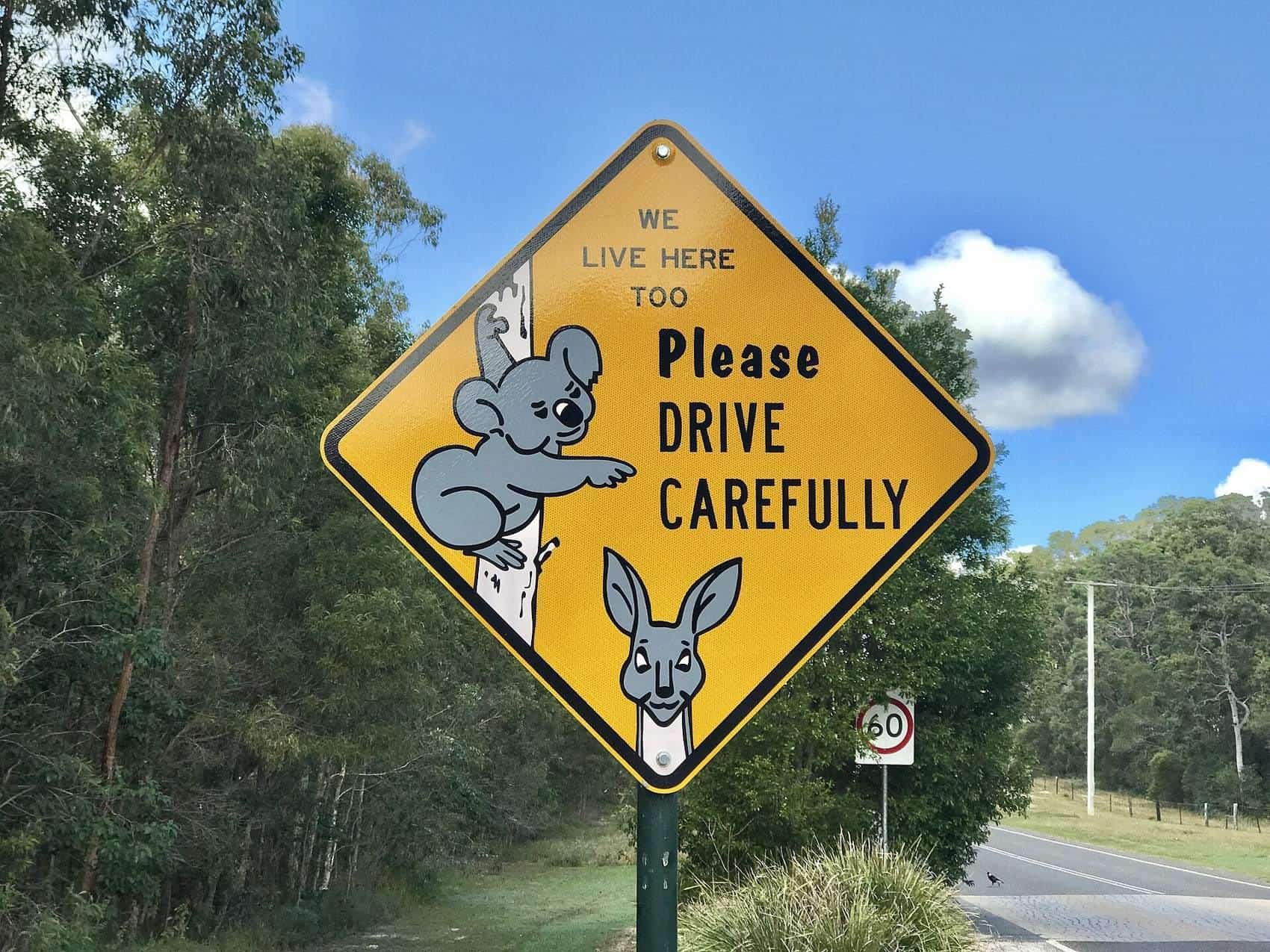
- Drive in daylight in rural areas to avoid wildlife.
Campervan pick-up checklist
0 of 6 done
Ticks are saved in this browser only.
Is a campervan right for you?
A campervan suits travellers who enjoy cooking, flexible plans and outdoor living. If you prefer hotel comforts, or are mainly visiting cities, a hire car with motels may be simpler. For long distances between regions, consider flying and then hiring a campervan locally.
Budgeting a campervan trip
To compare a campervan with a car and accommodation, add up the daily hire rate, excess reduction, one-way fee, fuel and campsite fees for your route, then compare with car hire plus motels. In peak season and on popular routes, a campervan can cost as much as or more than a car and motels. In the shoulder season, with free or low-cost camps, it can be good value. Remember that cooking your own meals also saves money.
Living in a campervan
Space is tight, so keep things tidy and pack away loose items before driving. Fridges on many campervans run off a second battery that charges as you drive, so stay at powered sites every few nights if you are not driving much. Fill water tanks at caravan parks and visitor centres. In hot regions, park in shade where possible and ventilate the van at night. In cold regions such as Tasmania in winter, check whether the vehicle has a heater and bring warm bedding.
Returning the vehicle
Return the vehicle clean, with the toilet cassette and grey water emptied and fuel at the agreed level, to avoid extra charges. Allow time to get to the depot, which may be outside the city centre, before your flight.
Frequently asked questions
Do I need a special licence to drive a campervan?
Most campervans and motorhomes can be driven on a standard car licence, but larger vehicles may need a heavier licence class. Check with the hire company and the relevant state road authority.
Can I sleep anywhere in a campervan?
No. Rules on where you can camp are set by local councils and park agencies, and free camping is banned in many urban and coastal areas. Use caravan parks, campgrounds and designated free camps.
What is a one-way fee?
Many hire companies charge extra if you collect the vehicle in one city and return it in another. Fees vary by route and season.
Can I take a hire campervan on unsealed roads?
Many hire agreements prohibit or limit unsealed roads, and insurance may not apply. 4WD campers usually allow more, but check the terms.
What is the best route for a first campervan trip?
Popular routes include Tasmania, Melbourne to Adelaide via the Great Ocean Road, and the east coast between Sydney, Brisbane and Cairns.
Sources and further reading
Facts on this page were checked against these primary and official sources. Conditions change — confirm before you travel or buy.
- Camping in NSW national parks — NSW National Parks and Wildlife Service
- Camping in Queensland parks — Queensland Parks and Wildlife Service
- Parks Victoria camping — Parks Victoria
- Discover Tasmania road trips — Tourism Tasmania
- Driving in Victoria for overseas drivers — VicRoads