Driving opens up the parts of Australia that tours and public transport cannot reach: coastal towns, national parks and the long, quiet roads of the outback. It is also where many visitor accidents happen. Australian roads are generally good, but distances are huge, help can be far away and the conditions are unfamiliar to many overseas drivers.
Licences for visiting drivers
In most states and territories, visitors can drive on a current overseas licence for a limited period, as long as they remain a temporary visitor. If your licence is not in English, you generally need an International Driving Permit or an official English translation, carried alongside the original. Some states require visitors who become residents to convert to a local licence within a set time.
Hire companies have their own rules too, such as minimum ages and surcharges for young drivers. Check them when you book.
The basics on the road
- Keep left. Take extra care when turning and at roundabouts, which you enter giving way to traffic already on the roundabout.
- Speed limits are in kilometres per hour and are strictly enforced with fixed, mobile and average-speed cameras. Urban limits are commonly 50 km/h, and school zones lower at set times. Outback highway limits are commonly 100 or 110 km/h, and some Northern Territory roads have higher limits. Always obey the signs.
- Seatbelts are compulsory for every occupant, and children need approved restraints suitable for their age and size.
- Mobile phones: do not hold a phone while driving. Penalties are severe.
- Alcohol: the general limit for full licence holders is under 0.05 BAC, and zero for learners and provisional drivers. Random breath and drug testing is common.
Tolls
Sydney, Melbourne and Brisbane have tolled motorways, almost all cashless. Hire cars usually have an electronic tag or are billed through the plate, often with an admin fee. Ask how tolls work when you collect your car, or buy a visitor pass where offered.
Distances and fatigue
Australia's distances catch out many visitors. Allow far more time than a map suggests, and remember that driving long, straight roads is tiring.
- Plan for a break every two hours.
- Share the driving if you can.
- Avoid driving after a long-haul flight.
- Use driver reviver stops, rest areas and towns to rest.
- Do not try to drive at night to make up time.
Wildlife
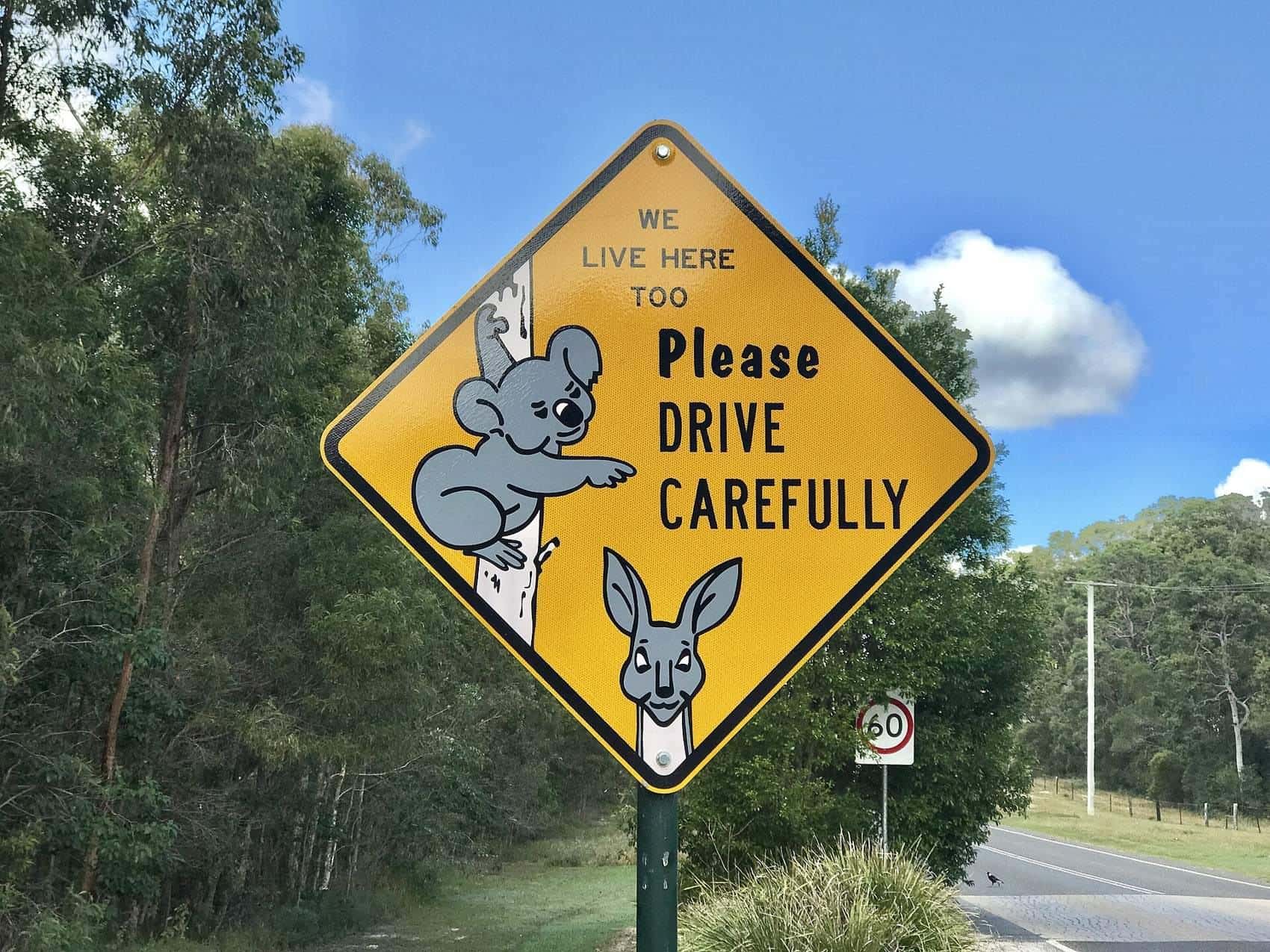
Kangaroos, wallabies, wombats, emus, cattle and camels can all be on the road, especially at dawn, dusk and night. Hitting a large animal can be fatal. Slow down in areas with warning signs, and if an animal appears, brake firmly in a straight line rather than swerving, which can cause a rollover.
Road trains
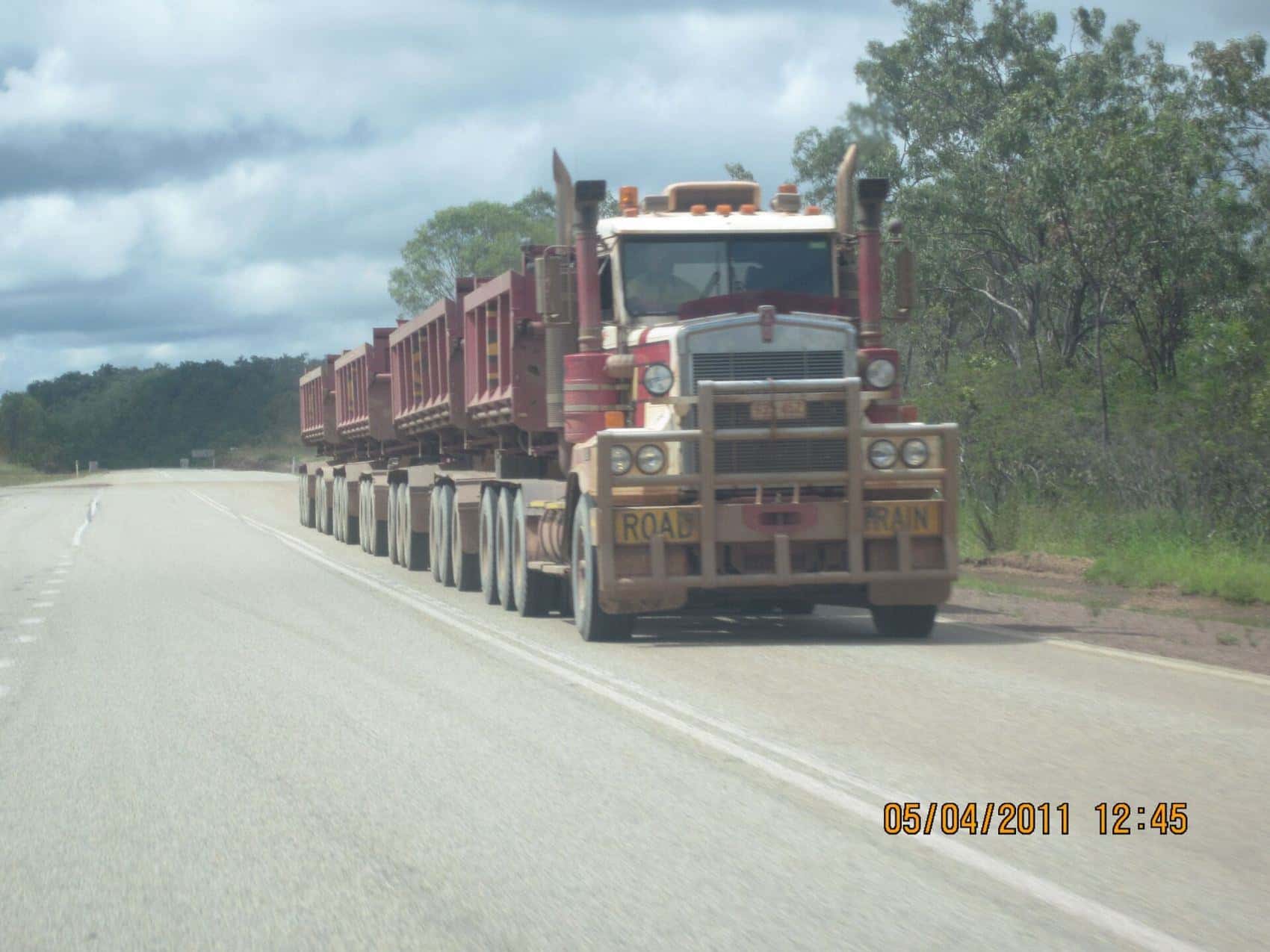
On outback highways you will meet road trains: trucks pulling several trailers that can be over 50 metres long. They need a long distance to stop and are slow to overtake.
- Give them plenty of room.
- Overtake only with a long, clear straight stretch.
- If one is overtaking you, keep left and hold your speed or slow slightly.
- On narrow or unsealed roads, pull well off the road and let them pass.
Outback and remote driving
Remote driving needs proper preparation.
- Check conditions: roads can close after rain, especially in the north during the wet season. Use the state road report websites.
- Fuel: fill up whenever you can. Distances between roadhouses can be hundreds of kilometres.
- Water and food: carry plenty of drinking water.
- Communications: mobile coverage is patchy or absent. Consider a satellite phone or personal locator beacon.
- Tell someone your route and expected arrival.
- Stay with your vehicle if it breaks down. It is easier to find than a person on foot, and provides shade.
Check whether your hire agreement allows driving on unsealed roads or certain remote routes. Many standard car hire agreements do not, and insurance may not cover you there.
Outback driving checklist
0 of 7 done
Ticks are saved in this browser only.
Weather hazards
- Floods: never drive through floodwater. It is one of the leading causes of flood deaths.
- Bushfires: check state fire services before travelling in hot, dry and windy weather, and follow official warnings.
- Heat: keep the car's cooling system and air conditioning in good order, and never leave people or pets in a parked car.
Parking and city driving
City parking can be expensive and limited. Read parking signs carefully, as clearways and permit zones are strictly enforced. In Melbourne, watch for trams and the "hook turn" at some central intersections, where you turn right from the left lane.
Hiring a vehicle
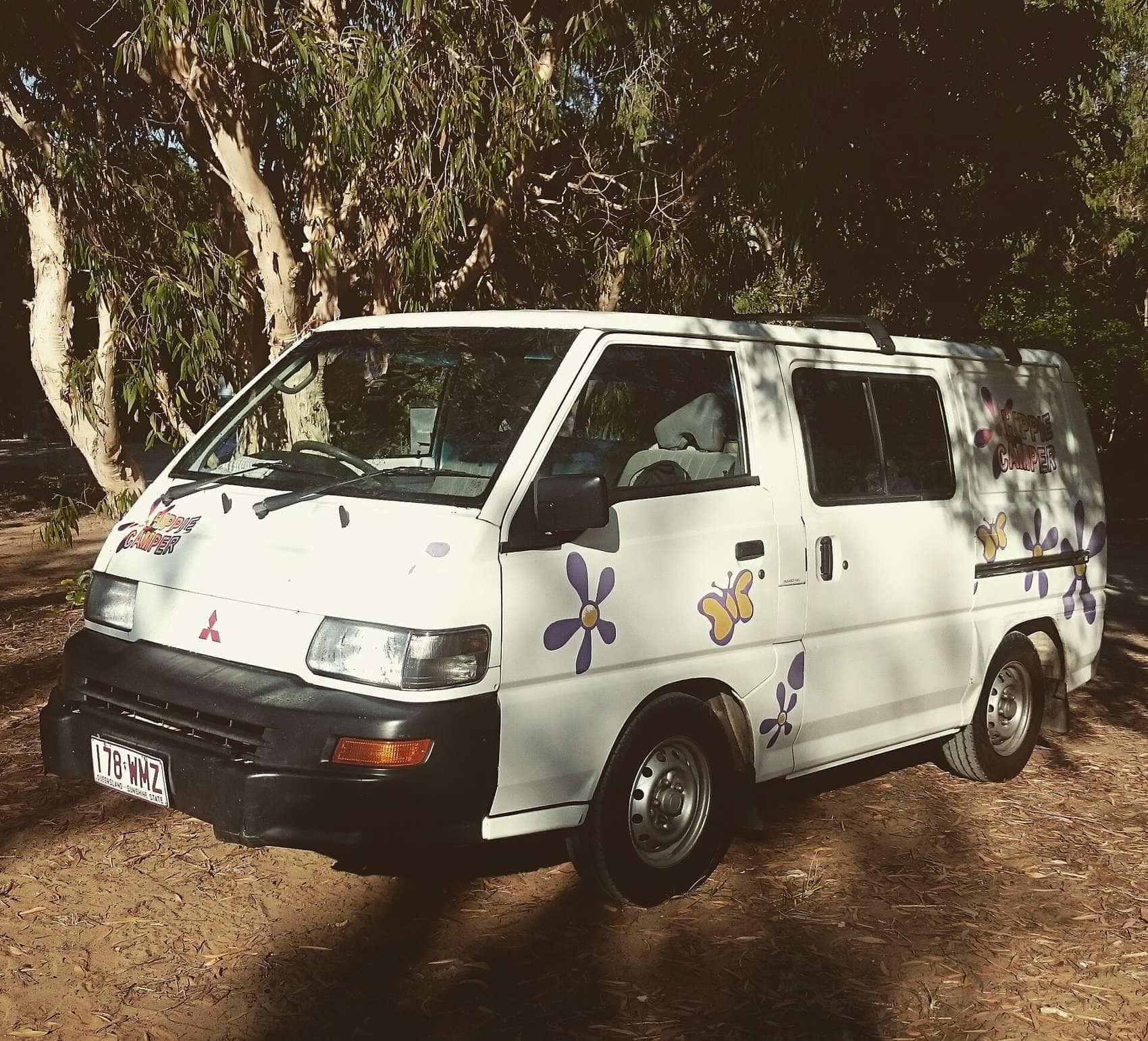
Compare inclusions carefully: insurance excess, kilometre limits, one-way fees and roadside assistance. For more independence, consider a campervan. Read our campervan hire guide.
Frequently asked questions
Can I drive in Australia on my overseas licence?
Generally yes, for a limited period, if your licence is current and in English or accompanied by an English translation or International Driving Permit. Rules differ by state and territory, so check the road authority where you will drive.
What side of the road do they drive on in Australia?
The left. Vehicles are right-hand drive, and you give way to the right at uncontrolled intersections and roundabouts.
What is the drink-driving limit?
The general limit for fully licensed drivers is a blood alcohol concentration under 0.05. Learner, provisional and some other drivers must have zero. Random breath testing is common.
Are there toll roads in Australia?
Yes, mainly in Sydney, Melbourne and Brisbane. Most are cashless, so ask your hire company how tolls are charged.
When is it most dangerous to drive in the outback?
Dawn, dusk and night, when kangaroos and other animals are most active. Many hire agreements restrict driving at night in remote areas or on unsealed roads.
Can I use my phone while driving?
Holding a phone while driving is illegal across Australia, and penalties are heavy. Many states use cameras to detect it.
Sources and further reading
Facts on this page were checked against these primary and official sources. Conditions change — confirm before you travel or buy.
- Visiting drivers — Transport for NSW
- Overseas drivers — VicRoads
- Visiting Queensland — Queensland Government
- Road report — Northern Territory Government
- Outback travel safety — South Australian Department for Infrastructure and Transport