
Planning an Australian trip is part logistics, part geography. The country is vast, the climate varies enormously and many of the best places are a long way from the nearest city. A little planning goes a long way.
Season finder
When is the best time to go?
- JanChallenging
- FebChallenging
- MarChallenging
- AprShoulder
- MayPleasant
- JunPleasant
- JulPleasant
- AugPleasant
- SepPleasant
- OctShoulder
- NovChallenging
- DecChallenging
Tropical: the dry season (roughly May–October) is the main visitor season. The wet season brings heat, humidity, storms and seasonal road and site closures.
A general guide based on typical seasonal patterns described by the Bureau of Meteorology and state tourism bodies. Weather varies year to year: check forecasts, warnings and road conditions before you travel.
1. Choose your season
Australia's seasons are reversed from the Northern Hemisphere: summer is December to February and winter is June to August. But in the tropical north, the more useful seasons are the wet (roughly November to April) and the dry (roughly May to October). In the desert centre, summer is extremely hot. Read our guide to the best time to visit.
2. Get the right visa
Almost every visitor needs a visa before they travel. Check which one applies to your passport on the Department of Home Affairs website, and apply only through official channels. See our ETA and visa guide.
3. Decide how to get around
Domestic flights connect the capital cities and major regional centres, and are the practical way to cover long distances.
Driving gives you freedom in regional areas. Australians drive on the left, distances are long and wildlife is a real hazard at dawn and dusk. Read driving in Australia.
Campervans combine transport and accommodation, and are popular for touring Tasmania, the east coast and the Great Ocean Road. Read campervan hire.
Trains and coaches link many cities and regions. Long-distance rail journeys such as those across the Nullarbor or through the centre are experiences in their own right.
4. Budget realistically
Australia can be expensive, especially in peak season and remote areas. Fuel, food and accommodation cost more in the outback and on islands. Build in money for national park passes, tours and transfers, and book ahead for the busiest periods.
5. Protect your trip
Travel insurance is strongly recommended for overseas visitors, and for Australians travelling domestically it can cover cancellations and baggage. Read our travel insurance guide.
6. Stay safe in nature
- Beaches: swim between the red and yellow flags at patrolled beaches. Rips are a leading hazard.
- Heat and outback: carry plenty of water, tell someone your plans and stay with your vehicle if it breaks down.
- Tropical waters: follow local advice about marine stingers and crocodiles, and obey warning signs.
- Bushfires and floods: check state emergency apps and websites for warnings, and follow official advice.
- Sun: the UV index is high for much of the year. Use sunscreen, a hat and sunglasses.
Useful official sources
- Department of Home Affairs for visas and entry.
- Bureau of Meteorology for forecasts and warnings.
- State road authorities for road conditions and licence rules.
- National and state park agencies for passes, closures and safety.
- Smartraveller for travel advice for Australians heading overseas.
Guides in this section
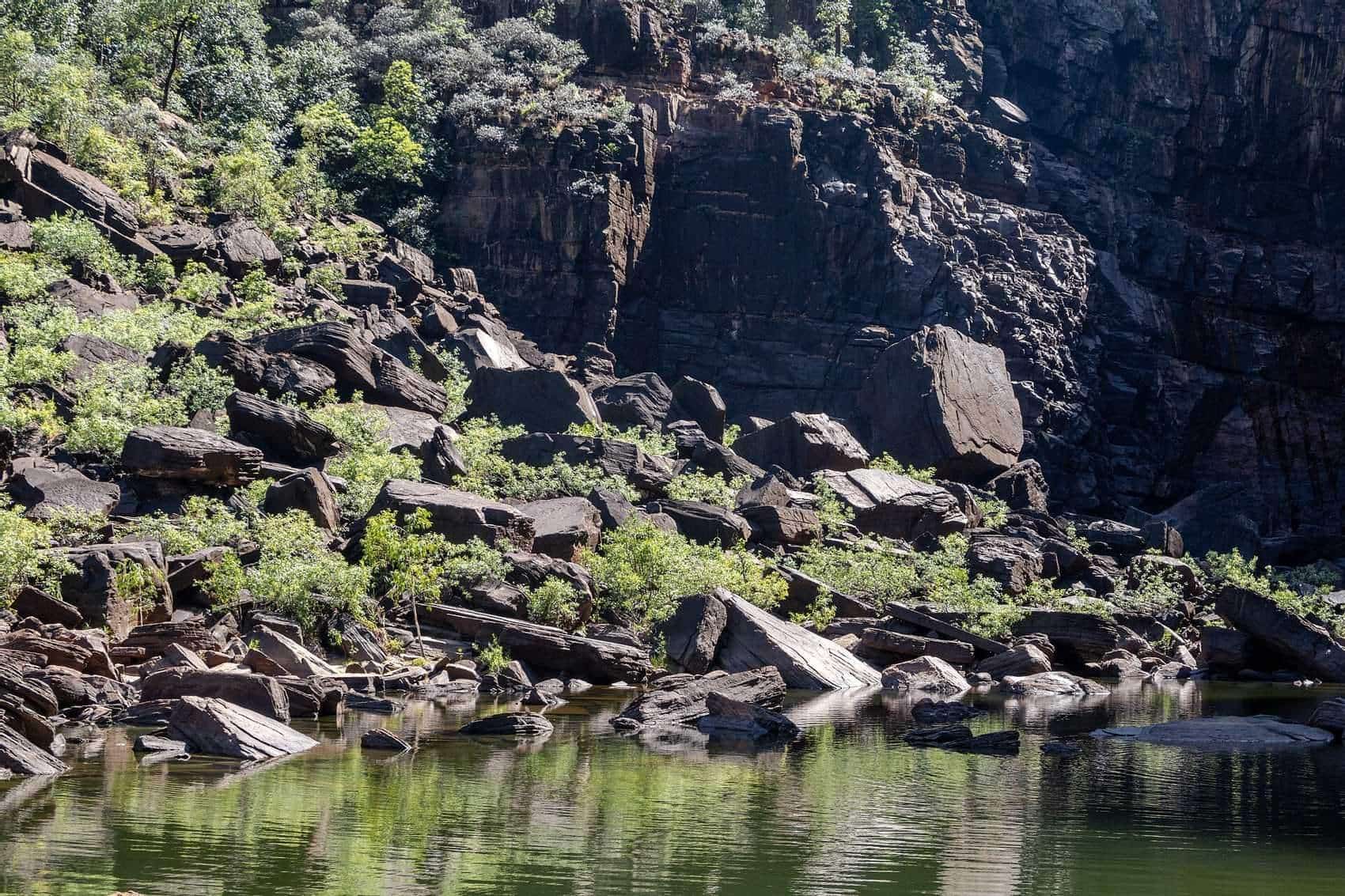
When to go
The best time to visit Australia, region by region
When to visit each part of Australia: the tropical wet and dry, the Red Centre, the southern cities, Tasmania and the reef, with an interactive season finder.
Read · 3 min

Visas and entry
Australian visas, the ETA and eVisitor explained
Which visa do you need to visit Australia? The ETA (subclass 601), the free eVisitor (651), the Visitor visa (600) and NZ arrivals, and how to apply safely.
Read · 4 min
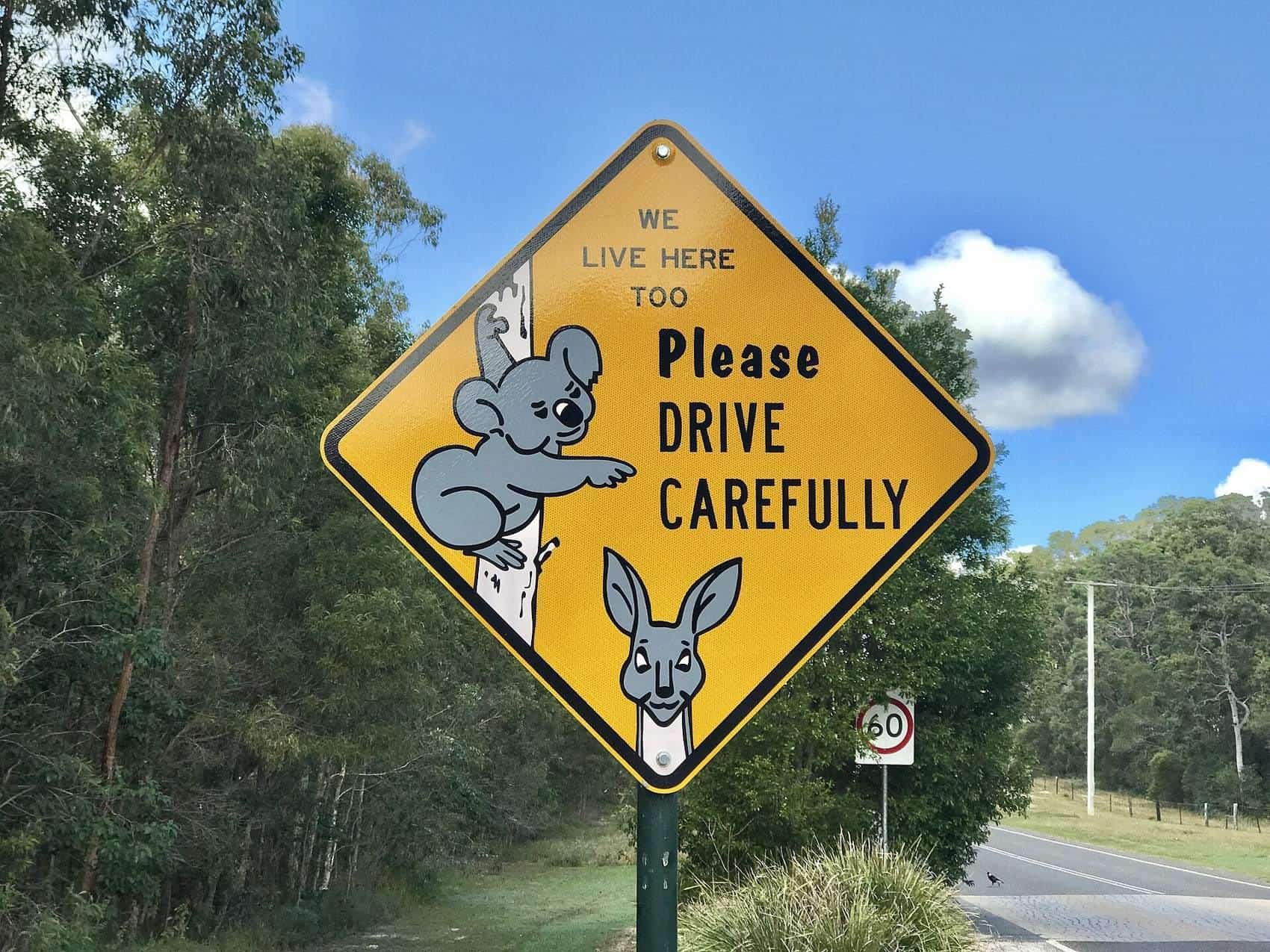
Getting around
Driving in Australia for visitors
A practical guide to driving in Australia: overseas licences, keeping left, speed limits, tolls, wildlife, road trains, fatigue and outback driving safety.
Read · 4 min
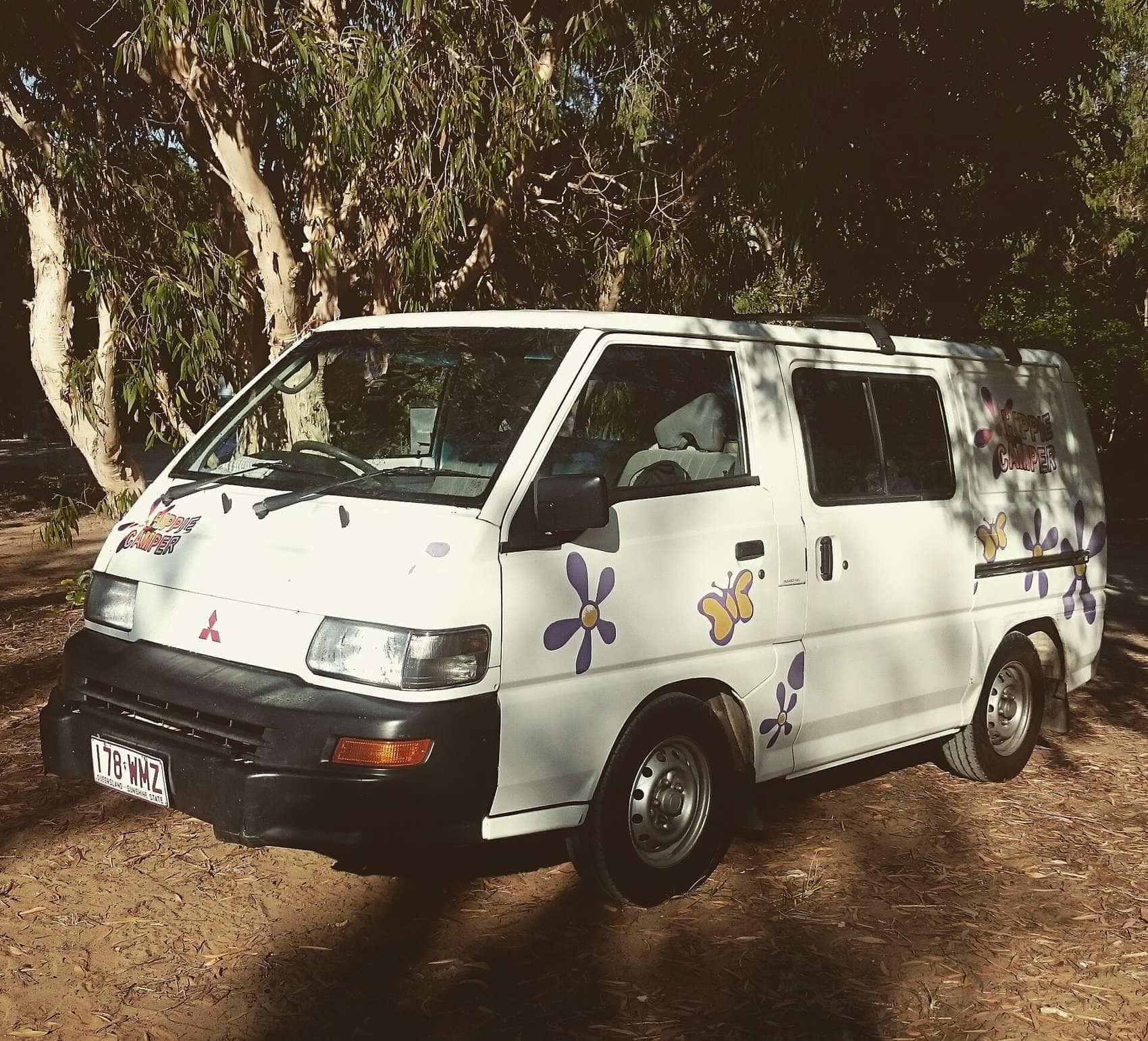
Getting around
Campervan hire in Australia
How campervan hire works in Australia: vehicle types, licences, insurance excess, one-way fees, where you can camp, popular routes and tips for first-timers.
Read · 4 min
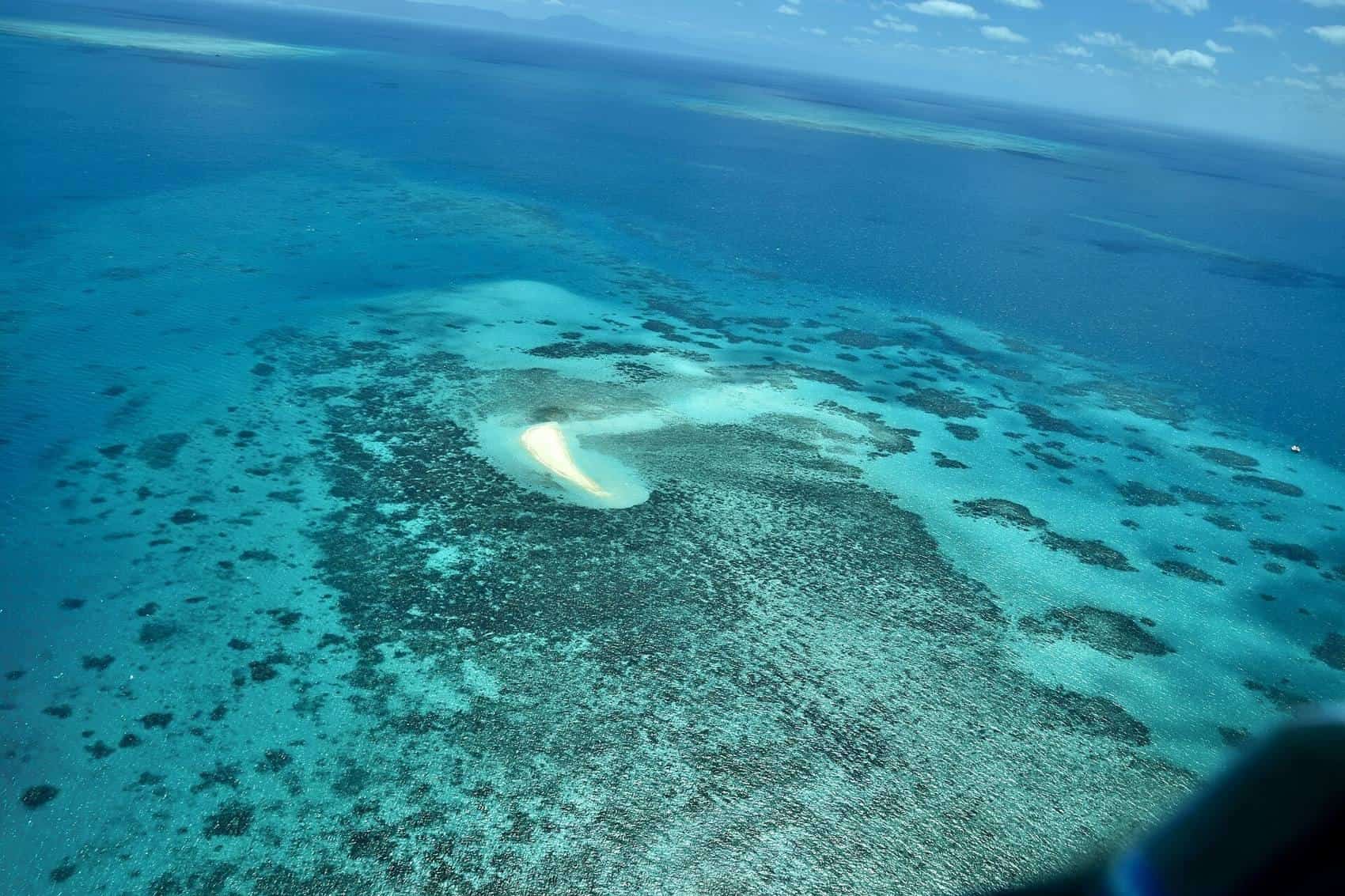
Plan your trip
Travel insurance for Australia
What to look for in travel insurance for an Australian trip: medical cover, reciprocal health care agreements, car hire excess, activities.
Read · 4 min
Frequently asked questions
How far ahead should I plan?
For peak periods such as Christmas, January and school holidays, book flights, campervans and popular accommodation well ahead. Apply for your visa before you book non-refundable travel, as Home Affairs suggests not making arrangements until your ETA is granted.
Should I fly or drive between cities?
For long distances, such as Sydney to Perth or Melbourne to Cairns, flying is usually faster and often cheaper once fuel and accommodation are counted. Driving is best for regional touring within a state.
Can I use my phone in Australia?
Most international phones work in Australia. Mobile coverage is good in cities and towns but limited or absent across much of the outback, so plan accordingly.
What currency does Australia use?
The Australian dollar (AUD). Card and contactless payments are widely accepted.
Sources and further reading
Facts on this page were checked against these primary and official sources. Conditions change — confirm before you travel or buy.
- Electronic Travel Authority (subclass 601) — Department of Home Affairs
- Smartraveller — Australian Government
- Climate of Australia — Bureau of Meteorology
- Facts and planning — Tourism Australia
- Beach safety — Surf Life Saving Australia