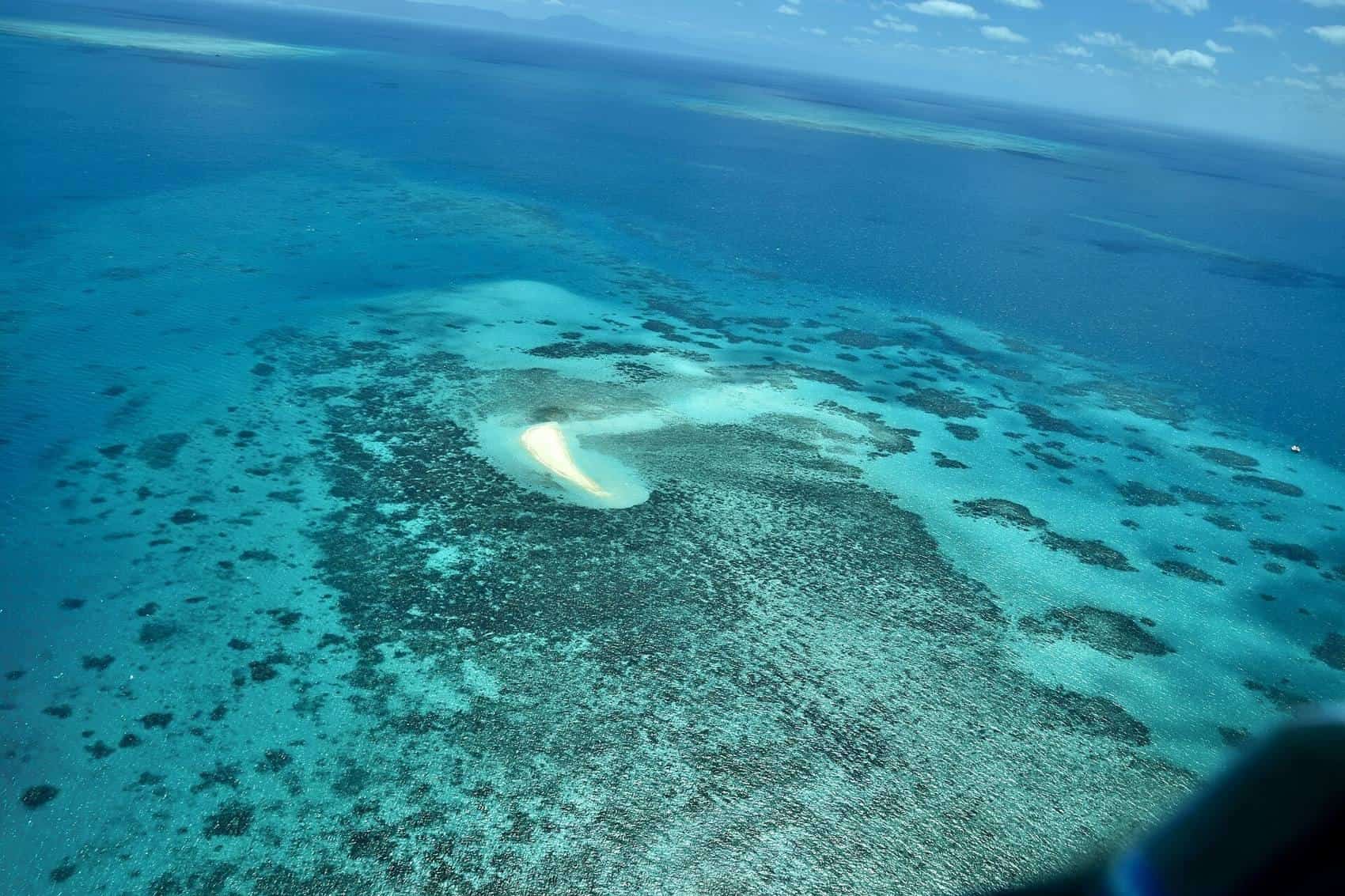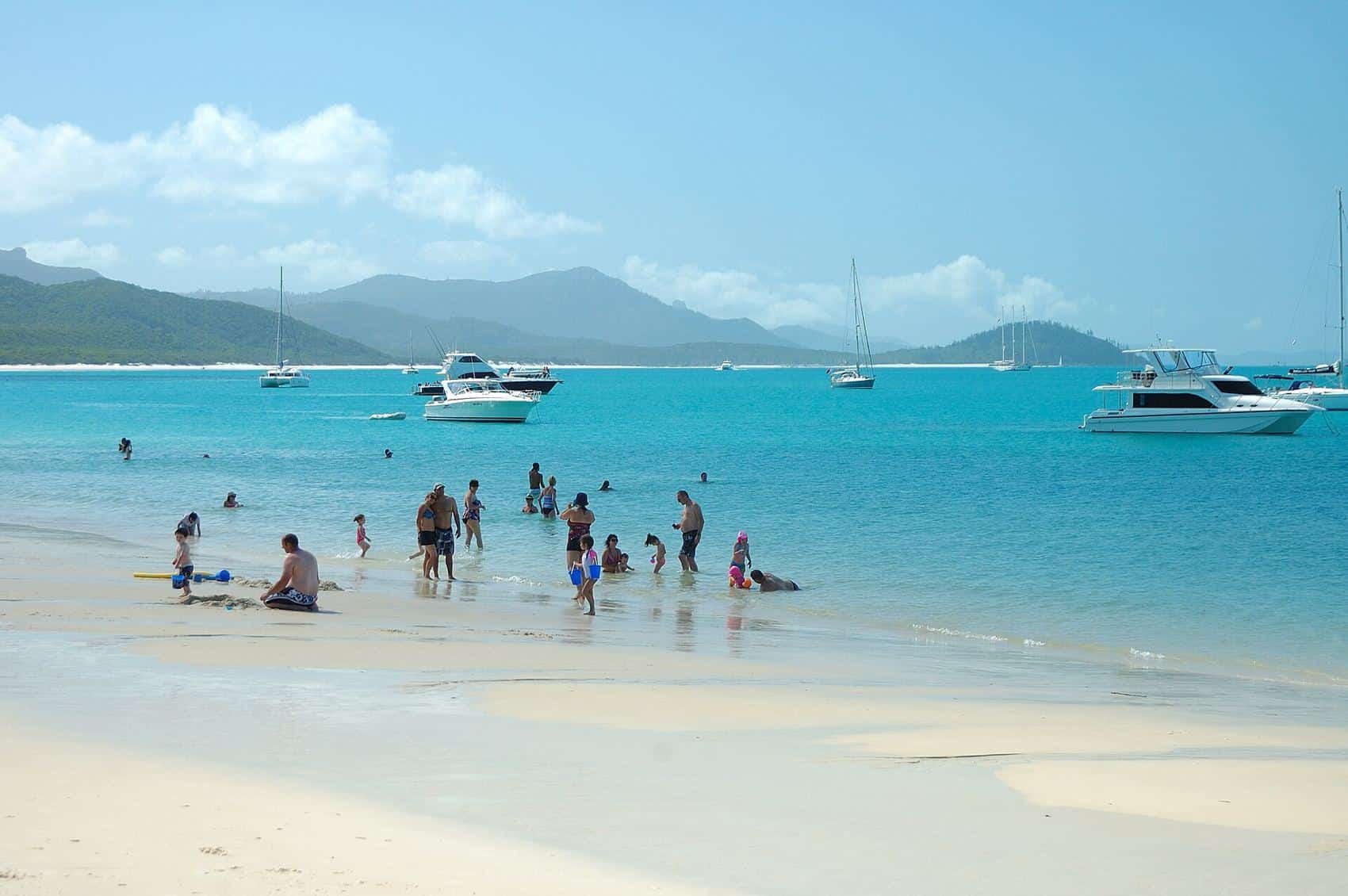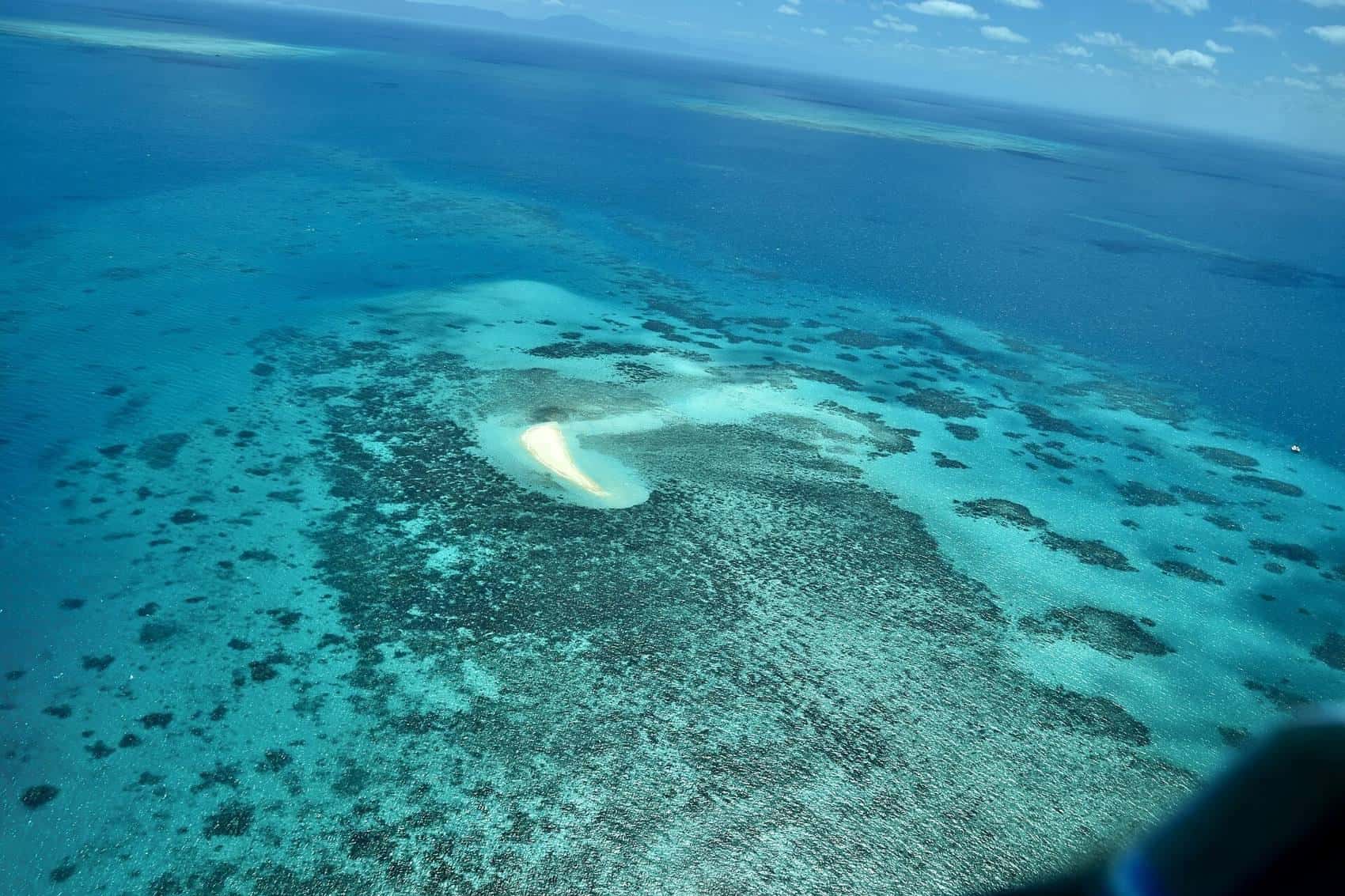
The Great Barrier Reef runs along the Queensland coast, made up of thousands of individual reefs and hundreds of islands. It was World Heritage listed in 1981 and is protected within the Great Barrier Reef Marine Park. Most visitors see it on a day trip from the coast, but you can also stay on islands, take liveaboard dive trips or fly over it.
Choosing a gateway
Cairns. The biggest gateway, with an international airport and the widest range of day trips to outer reefs and islands such as Green Island and Fitzroy Island. Good for first-timers and divers.
Port Douglas. An hour or so north of Cairns, with a relaxed resort feel and boat trips to outer reefs, including the Low Isles. Close to the Daintree Rainforest.
Airlie Beach and the Whitsundays. The base for sailing trips around the Whitsunday Islands, Whitehaven Beach and reefs in the area. Ideal if you want beaches and boats as well as coral.
The southern reef. Towns such as Bundaberg, Gladstone and Agnes Water give access to coral cays such as Lady Elliot Island and Heron Island, known for turtles and manta rays.
Townsville and Magnetic Island. Home to the reef aquarium and research institutions, with access to reefs and wrecks offshore.
Best time to visit
The reef is a year-round destination, but conditions vary:
- June to October: the dry season. Milder temperatures, lower humidity and generally good conditions.
- November to May: warmer water and more chance of rain, storms and tropical cyclones, especially in the north. This is also when dangerous marine stingers are most common.
Read the best time to visit for more.
Ways to see the reef
Snorkelling
The most popular option. Most day trips to outer reef pontoons or moorings include snorkelling gear, and many provide guided snorkel tours.
Scuba diving
You can try an introductory dive without certification on many trips, with an instructor. Certified divers can choose from day trips and multi-day liveaboards to more remote reefs. Check that your travel insurance covers diving.
Glass-bottom boats and semi-submersibles
Good for non-swimmers, young children and anyone who prefers to stay dry.
Scenic flights
Helicopter and light aircraft flights reveal the scale of the reef, including famous formations such as Heart Reef in the Whitsundays.
Island stays
Islands such as Lady Elliot, Heron, Green and Fitzroy let you snorkel from the beach and see the reef at quieter times.
Stingers and safety
Box jellyfish and Irukandji jellyfish are found in tropical waters, mainly in the warmer months, often from around October to May. They can be dangerous. Wear a full-body stinger suit, which most tour operators provide, and follow the crew's advice. Learn basic first aid: vinegar is used on tropical jellyfish stings, as recommended by Surf Life Saving Australia.
Other tips:
- Use flotation devices if you are not a confident swimmer.
- Tell the crew about any medical conditions.
- Take seasickness precautions for outer reef trips.
The Environmental Management Charge
Tour operators collect an Environmental Management Charge on behalf of the Great Barrier Reef Marine Park Authority. It helps fund reef management and is usually included in your ticket price.
Protecting the reef
The reef faces pressures including climate change, coral bleaching, water quality and crown-of-thorns starfish outbreaks. Monitoring by the Australian Institute of Marine Science tracks coral cover over time. You can help:
- Choose eco-certified operators.
- Never touch, stand on or collect coral or marine life.
- Follow marine park zoning rules if you fish or boat independently.
- Take your rubbish with you.
How long to spend
A single day trip gives you a good taste of the reef, but two or three days lets you combine an outer reef trip with an island visit, a scenic flight or a rainforest day. Divers often choose liveaboard trips of several days to reach more remote reefs. If weather cancels a trip, a spare day in your plan gives you a second chance.
What to bring
Pack sunscreen, a hat, sunglasses, a towel, swimwear and a change of clothes. Many operators provide snorkel gear, wetsuits or stinger suits, flotation devices and lunch. An underwater camera or a waterproof phone case is worth having. Take seasickness medication before departure if you are prone to it, as outer reef crossings can be rough.
Children and non-swimmers
Many operators cater well for families, with shallow snorkel areas, flotation aids, guided snorkel tours, semi-submersibles and underwater observatories. Check age limits for introductory diving and helicopter flights.
Reef day checklist
0 of 6 done
Ticks are saved in this browser only.
Frequently asked questions
Can I visit the reef without a tour?
Some islands and coastal spots have fringing reef you can reach from the beach, but most outer reefs are only reachable by licensed boat tours or private vessels following marine park zoning.
Where is the best place to see the Great Barrier Reef?
Popular gateways include Cairns, Port Douglas, Airlie Beach for the Whitsundays, and towns further south such as Bundaberg and Gladstone, which give access to the southern reef islands.
When is the best time to visit the reef?
The reef can be visited year-round. The dry season, roughly June to October, has milder weather. Stingers are most common in the warmer months.
Do I need to be able to swim to visit the reef?
Not necessarily. Glass-bottom boats, semi-submersibles and underwater observatories let non-swimmers see coral, though snorkelling gives the best experience.
Is there a fee to visit the Great Barrier Reef?
Tour operators collect an Environmental Management Charge on behalf of the Great Barrier Reef Marine Park Authority, usually included in the tour price.
Is the Great Barrier Reef still worth visiting?
Yes. The reef faces threats, including coral bleaching, but many areas remain spectacular. Responsible tourism supports reef management and research.
Sources and further reading
Facts on this page were checked against these primary and official sources. Conditions change — confirm before you travel or buy.
- Great Barrier Reef Marine Park Authority — GBRMPA
- Environmental Management Charge — GBRMPA
- World Heritage listing — UNESCO
- Marine stingers — Surf Life Saving Australia
- Reef snapshot — Australian Institute of Marine Science