Travel insurance is one of those things you hope never to use. In Australia, the risks that matter most for visitors are medical costs, cancellations, car hire damage and activities such as diving or skiing. This guide explains what to consider. It is general information, not financial advice. Always read the Product Disclosure Statement (PDS) before you buy.
Why it matters in Australia
Medical costs. Australia's public health system, Medicare, generally does not cover visitors. Hospital treatment, ambulance transport and medical evacuation from remote areas can be very expensive. Ambulance services are run by the states, and charges for non-residents can be significant.
Remote areas. Much of Australia is remote. If you are injured in the outback or on the reef, evacuation may involve aircraft such as the Royal Flying Doctor Service or a rescue helicopter.
Natural events. Bushfires, floods and cyclones can close roads, parks and airports, disrupting travel plans.
Long distances. Missed connections on long journeys can be costly to fix.
Reciprocal health care agreements
Australia has reciprocal health care agreements with several countries, including the United Kingdom, Ireland, New Zealand and a number of European nations. If you are from one of them, you may be able to get some medically necessary treatment through Medicare during your visit.
These agreements have limits. They typically do not cover ambulance costs, private hospital treatment, medical repatriation or treatment you travelled to Australia to get. They are not a substitute for travel insurance. Check the Services Australia website for your country.
What to look for in a policy
- Medical and hospital cover, including evacuation and repatriation.
- Cancellation and curtailment, including what events are covered, such as illness or natural disasters.
- Luggage and personal items, with item limits for phones, cameras and laptops.
- Rental vehicle excess if you will hire a car or campervan.
- Activities such as scuba diving, snorkelling, skiing and four-wheel driving.
- Pre-existing conditions: how they are assessed and whether you need to declare them.
- Excess: the amount you pay per claim.
- Exclusions, such as alcohol-related incidents, unlicensed driving or known events.
Activities
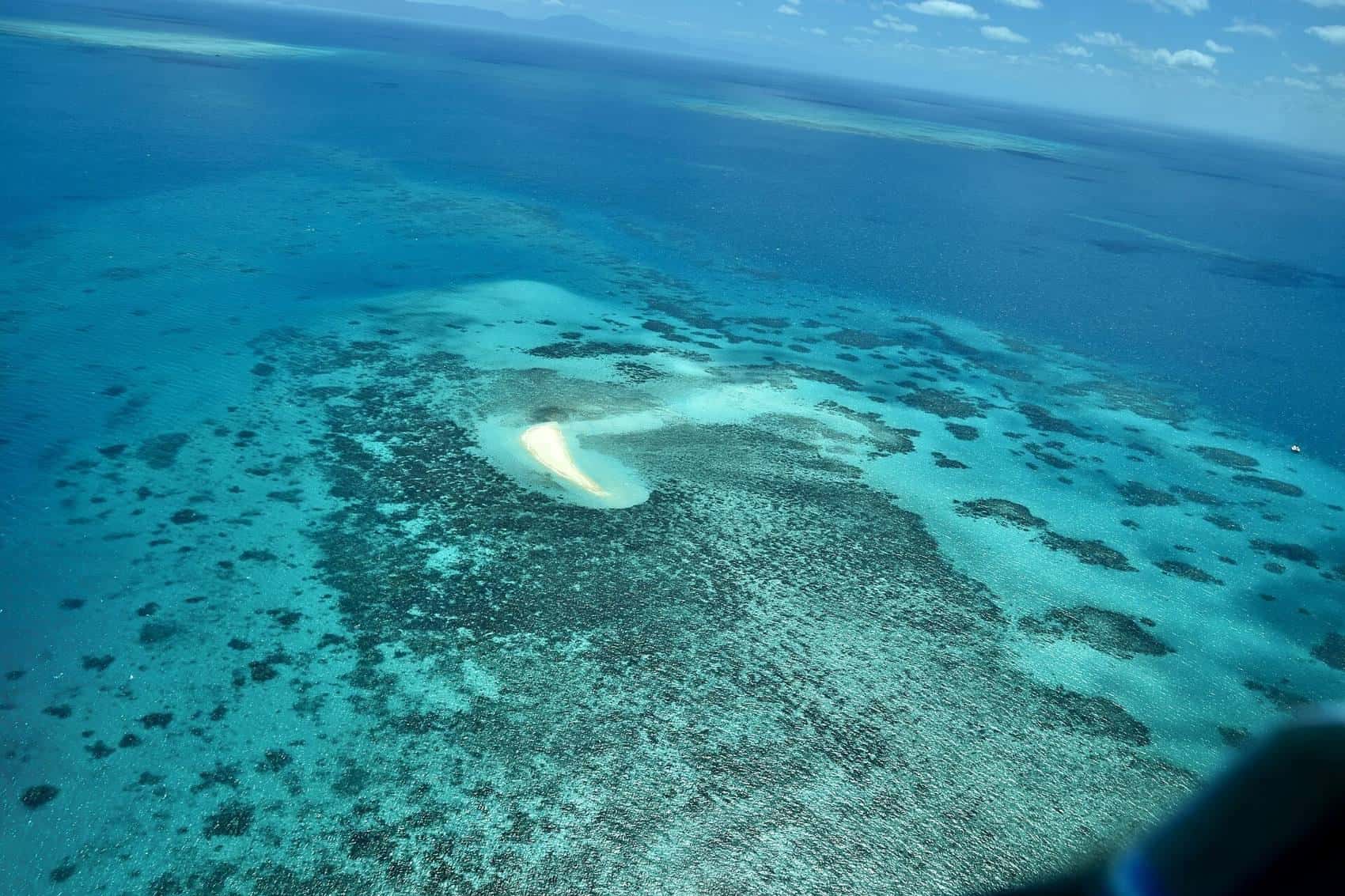
Diving and snorkelling. Many visitors dive or snorkel on the Great Barrier Reef. Check whether your policy covers diving, to what depth, and whether you need to be certified or diving with a licensed operator.
Skiing. The Australian ski season runs in winter in the Snowy Mountains and Victorian Alps. Snow sports usually need an add-on.
Four-wheel driving. Off-road driving and unsealed roads may be excluded, especially if your hire agreement prohibits them.
Motorbikes. Policies often require a valid licence for the bike and a helmet.
Car and campervan hire
Hire vehicles come with an insurance excess, often several thousand dollars, which you pay if the vehicle is damaged. You can usually reduce it by paying the hire company a daily fee, or buy rental vehicle excess cover through travel insurance or a standalone policy. Compare carefully: some options require you to pay the hire company first and claim later, and exclusions differ. Read driving in Australia and campervan hire.
Australians travelling domestically
Domestic travel insurance can cover cancellations, luggage and rental excess, but not medical costs in Australia, which are covered by Medicare and private health insurance rules. Check what your credit card or existing policies already include.
When to buy
Buy cover when you book your trip, so cancellation cover starts straight away. Events that are already known, such as a named cyclone or a declared bushfire, are usually excluded once they are known.
Making a claim
- Keep receipts, medical reports and police reports.
- Contact your insurer's emergency assistance line early for serious medical issues.
- Report theft to police within the required time.
- Photograph damaged property.
Insurance checklist
0 of 6 done
Ticks are saved in this browser only.
Questions to ask an insurer
Before you buy, it can help to ask:
- Is medical evacuation from remote areas, including by air, covered?
- What is the limit for overseas medical expenses?
- Are natural disasters, such as cyclones, bushfires and floods, covered for cancellation?
- What happens if my flight is cancelled by the airline?
- Is there cover if I need to come home early because of a family emergency?
- How are electronics and valuables covered, and what are the single-item limits?
- Is there a 24-hour emergency line?
Older travellers and pre-existing conditions
Policies treat pre-existing medical conditions in different ways. Some are automatically covered, some need an assessment and extra premium, and some are excluded. Age limits and loadings may also apply. Be honest when you declare conditions, as failing to do so can void a claim. Moneysmart, run by ASIC, has independent guidance on choosing and claiming on travel insurance.
Frequently asked questions
Is travel insurance compulsory for visiting Australia?
For most tourist visas it is not compulsory, but it is strongly recommended. Some visas, such as many student visas, have specific health insurance requirements.
Does Medicare cover visitors?
Medicare generally does not cover visitors. Visitors from countries with a reciprocal health care agreement may get some medically necessary treatment, but the agreements have limits.
Which countries have reciprocal health care agreements with Australia?
Services Australia lists them. They include the United Kingdom, New Zealand, Ireland and several European countries. Check the current list and what is covered.
Will travel insurance cover scuba diving?
Some policies cover recreational diving within limits, and others require an add-on. Check depth limits and certification requirements.
Does travel insurance cover car hire excess?
Many policies include or offer rental vehicle excess cover. Compare it with the hire company's own excess reduction.
Sources and further reading
Facts on this page were checked against these primary and official sources. Conditions change — confirm before you travel or buy.
- Reciprocal health care agreements — Services Australia
- Travel insurance — Moneysmart, ASIC
- Travel insurance advice — Smartraveller
- Electronic Travel Authority (subclass 601) — Department of Home Affairs