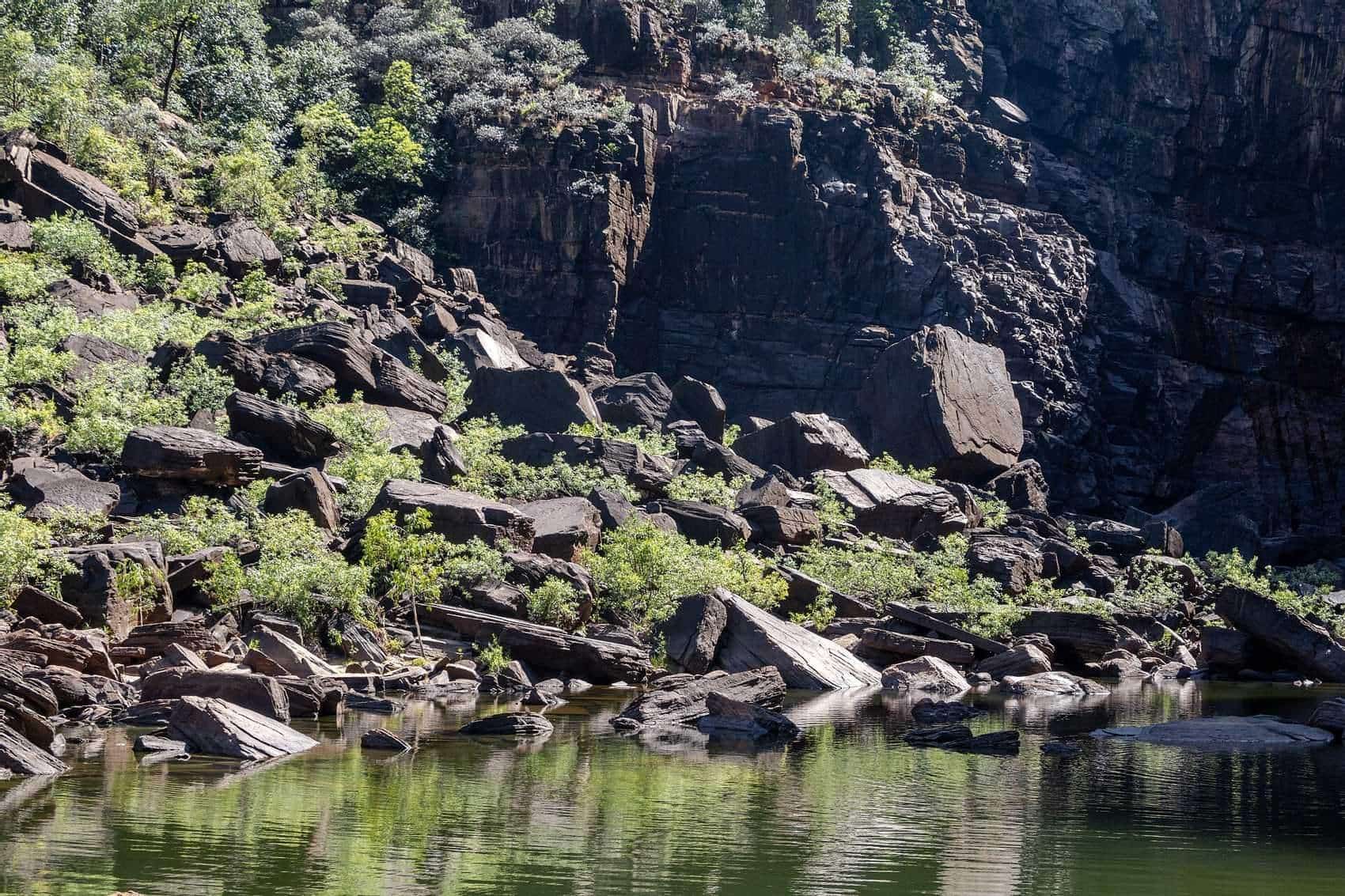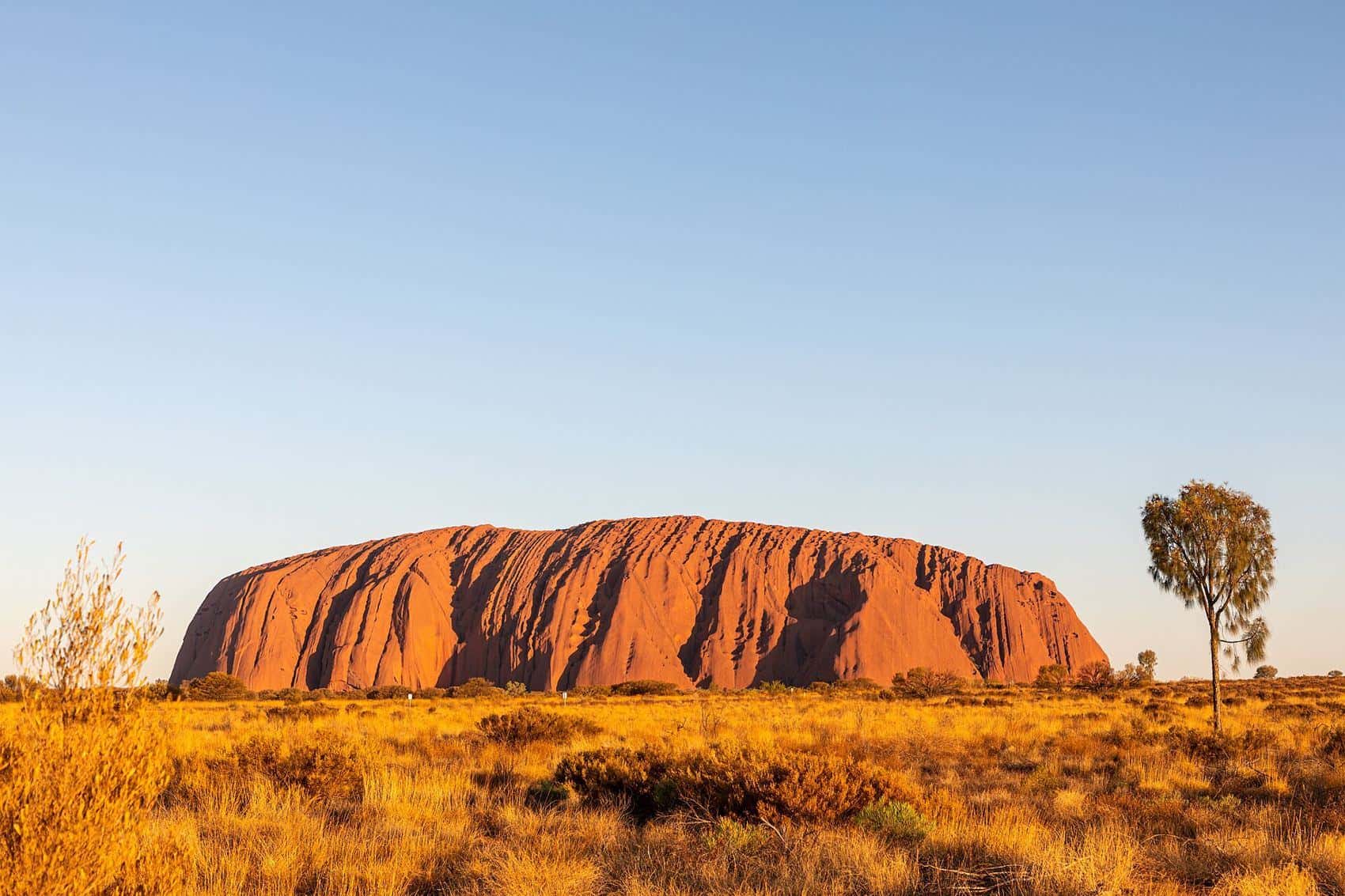
The original Aust Travel site was a 2000s Joomla portal arranged the way Australians actually talk about travel: Queensland regions, NSW regions, Victoria, Tasmania, South Australia, Western Australia and the Northern Territory. This rebuild keeps that geography. It does not keep archived sales copy, hotel rate tables or guest-post spam. Every sentence here is newly written, checked against official or primary sources, and silent where we do not have a citeable fact.
If you are asking “where should I go?”, start with climate rather than a list of famous names. The Bureau of Meteorology describes Australia as a continent of tropical, desert, grassland, temperate and equatorial influences. Darwin’s wet season is not Melbourne’s winter; Broome’s dry season is not Hobart’s walking summer. A first trip that ignores that split spends money on the wrong month.
Choose a season before a postcard
The tropical north — far north Queensland, the Top End, the Kimberley — is generally most comfortable in the drier months, roughly May to October. That is also when many unsealed roads and some park tracks are actually open. The Red Centre is a desert climate: summer days can be dangerous, winter nights can be close to freezing, and the shoulder seasons are when most independent travellers find the walking tolerable. Southern cities and Tasmania are the reverse problem: winter is cool, wet and short-dayed; late spring through early autumn is when coasts and tracks are at their most usable.
None of that is a ranking. It is a filter. Once you know whether you are travelling in January or July, whole regions drop out of a short trip and others come into range. Our season finder further down the page is a sketch of that pattern, not a forecast. Check BOM warnings, state emergency services and park alerts in the week you travel.
Pair one city with one landscape
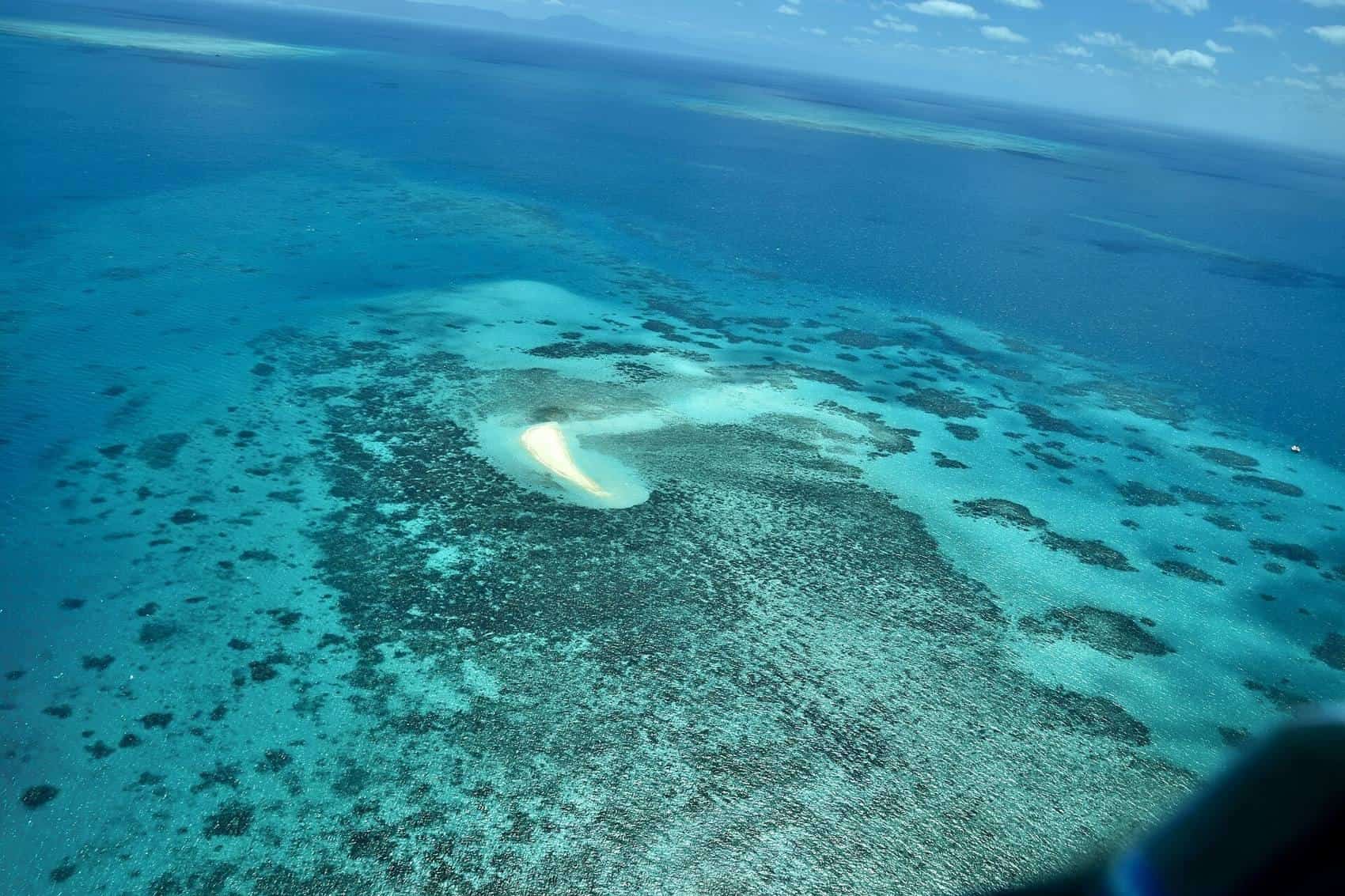
A practical first-time shape is an east-coast city plus one contrasting landscape. Sydney or Melbourne gives you public transport, museums and a harbour or river city you can read in a few days. The contrast might be the Queensland Barrier Reef coast, Tasmania’s south-east, or the Red Centre if your dates sit outside high summer. Trying to add Perth or the Kimberley on the same short ticket usually means you see airports.
Western Australia is not a weekend add-on from the east coast. The flight is long; the state is larger than many countries; and the Kimberley and the South West do not share a season. If WA is the trip, make it the trip. Read the Western Australia hub before you sketch a loop.
Use hubs, then the old region paths
State hubs on this site — Queensland, NSW, Victoria, Tasmania, South Australia, Western Australia and the Northern Territory — are orientation essays. The deeper region guides keep the clean heritage URLs from the Joomla years, because those paths still collect searchers and because the old IA was already close to how the country is planned.
That is why a Barrier Reef page still lives at /10-qld-regions/11-queensland-barrier-reef/ rather than being flattened into a generic “Queensland” blob. Messy leftovers — .htm hotel clones, query-string trackers, .php stubs — 301 to the nearest living hub. Spam paths are excluded.
What this guide will not do
We will not invent a price, a “top ten” hotel, an operator ranking or a testimonial. Where a heritage business name appears, treat it as a historical listing with details unverified. Bookings, park passes, ferry tickets and visas belong on official sites. The Department of Home Affairs explains the Electronic Travel Authority and other visitor visas; this page does not.
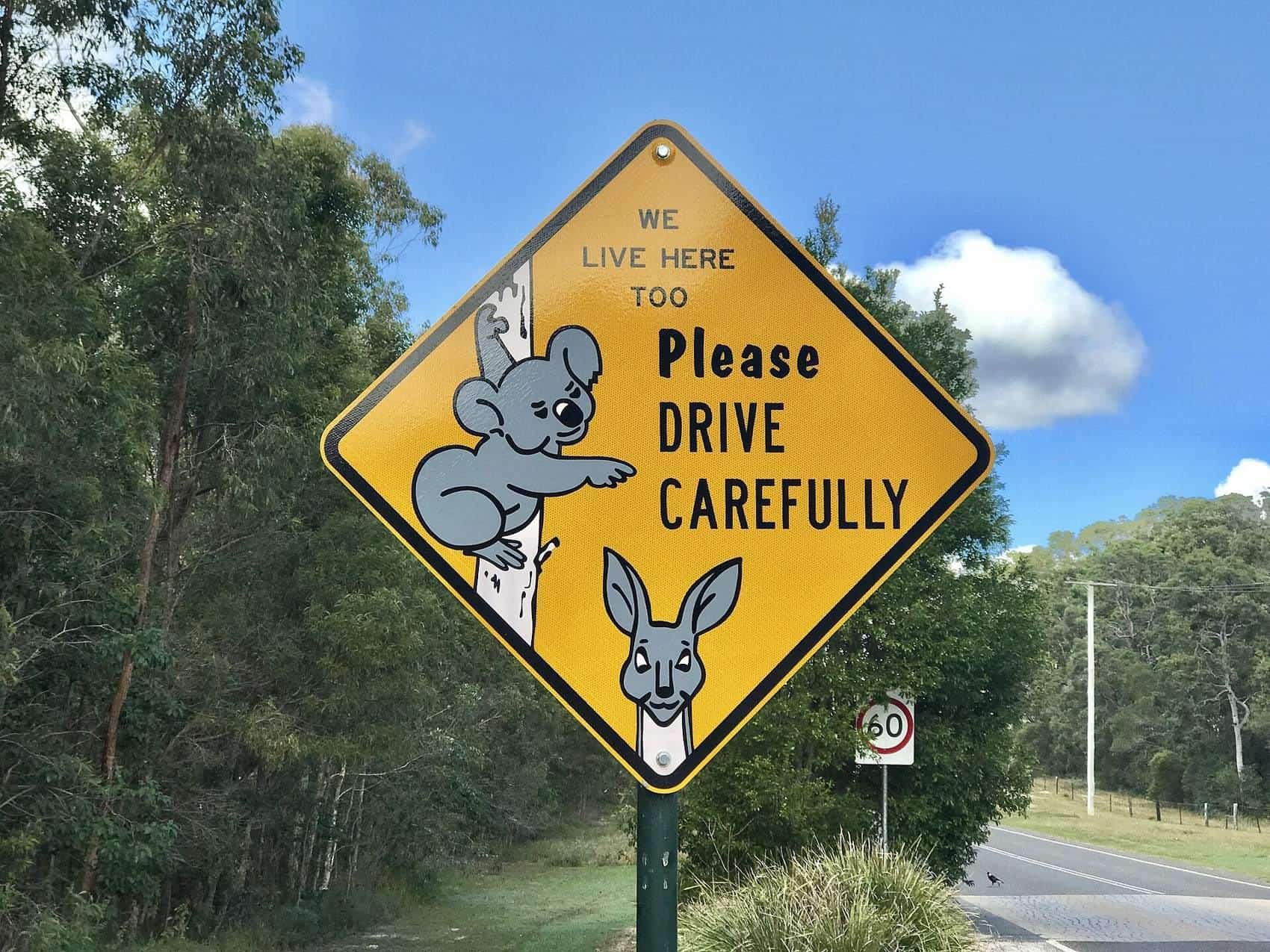
Distances are the other honesty test. Sydney to Perth is a several-hour flight. Driving the Stuart Highway from Darwin to Alice Springs is a long day’s work, not a commute. Road trains, wildlife, fatigue and unsealed shoulders are normal parts of inland driving; they are not scenery. If you plan to self-drive, read plan your trip and confirm licensing rules with the state road authority that issued the hire.
How to use the rest of the site
Read the regions overview if you are still choosing, or the live destinations hub for Uluru and the reef. Open plan your trip for visas, driving and seasons, and holidays if school dates will decide the month. Use the FAQ for the six planning questions we hear most often — first region, reef season, Kimberley versus South West, Top End versus Red Centre, Tasmania without a car, and Sydney day-trip country. Then go into a single region guide and stay there long enough to learn the climate, the gateways and the respect rules.
Season finder
When is the best time to go?
- JanChallenging
- FebChallenging
- MarChallenging
- AprShoulder
- MayPleasant
- JunPleasant
- JulPleasant
- AugPleasant
- SepPleasant
- OctShoulder
- NovChallenging
- DecChallenging
Tropical: the dry season (roughly May–October) is the main visitor season. The wet season brings heat, humidity, storms and seasonal road and site closures.
Read our guideA general guide based on typical seasonal patterns described by the Bureau of Meteorology and state tourism bodies. Weather varies year to year: check forecasts, warnings and road conditions before you travel.