South Australia sits on the south-central edge of the continent: a gulf capital, peninsula country, a mountain spine in the Flinders Ranges, a wine geography that is agricultural fact rather than a trophy list, and a far north that becomes desert. The heritage sample keeps Adelaide and the Yorke Peninsula. That is a coherent first trip — city plus gulf — and it is also incomplete, which we will say out loud.
Adelaide’s climate is Mediterranean-leaning: hot, dry summers, mild winters, and hills that can be markedly cooler than the plains. Festival seasons crowd the city; summer heat is real. The Adelaide Hills, McLaren Vale and Barossa are short drives and entirely different thermal comfort on a 40-degree day. Gulf St Vincent beaches are not the Southern Ocean. Kangaroo Island, the Fleurieu and the Limestone Coast are neighbouring regions this CDX sample did not store as clean child paths; they still change whether you need extra nights and a ferry.
Yorke as a different pace
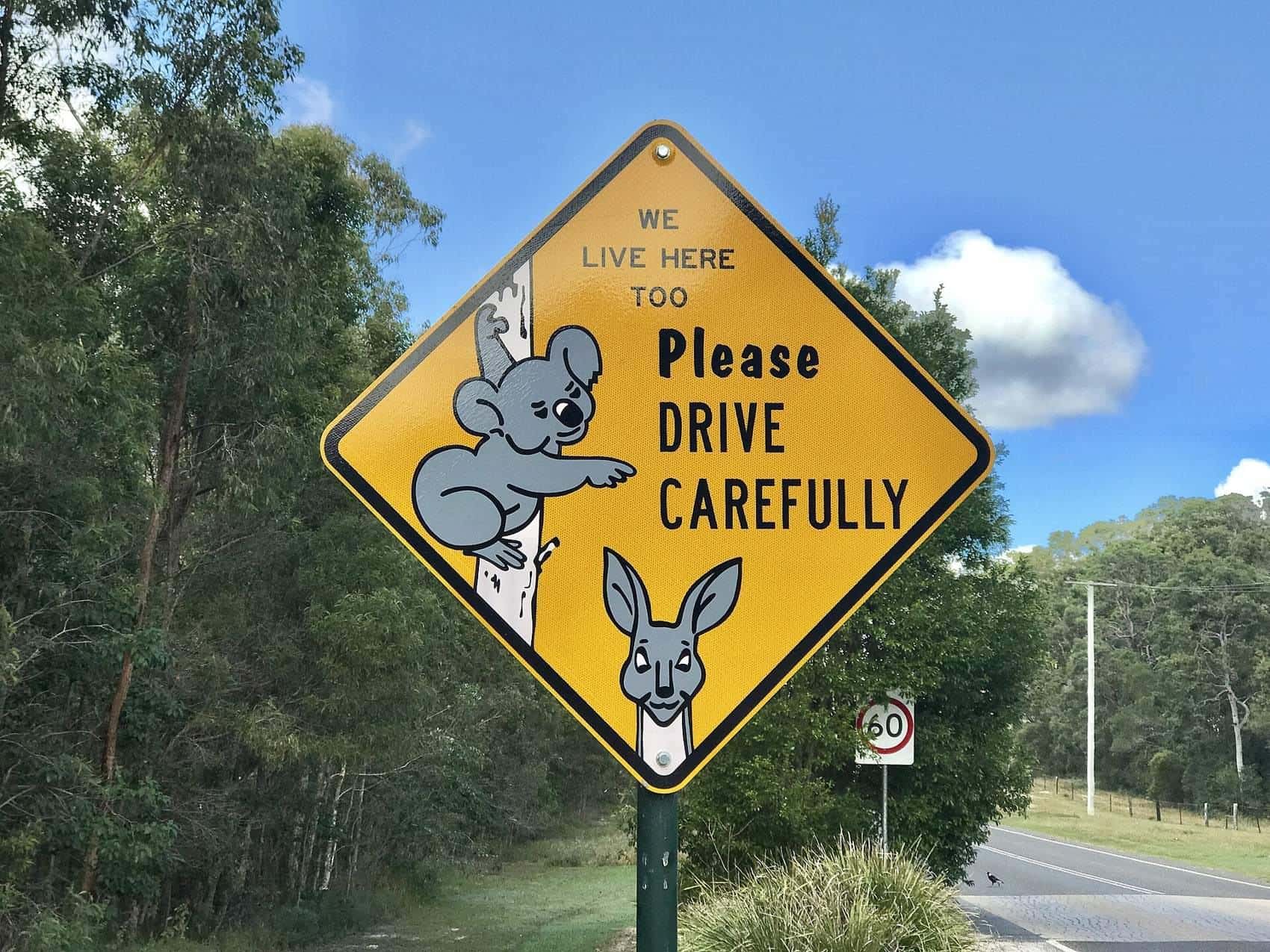
The Yorke Peninsula is cropping country with surf and gulf coasts, small towns, and a map that punishes people who think “peninsula” means compact. It is a self-drive landscape. Wildlife, unsealed side roads and long gaps between services are ordinary. It pairs with Adelaide as an overnight or a slow few days, not as a morning outing. Read the Yorke Peninsula guide for that grain; do not expect a hotel index.
When to go and how to arrive
Shoulder seasons are often the most comfortable for walking and wine-region driving. Summer is beach and heat. Winter is green, wetter, and good for hills and indoor city time. Adelaide Airport is the hinge. Regional buses exist; they do not replace a car on the Yorke. Drive on the left. Check National Parks and Wildlife Service SA for park closures, especially in fire season.
Neighbouring logic worth a second trip
The Flinders Ranges are a folded, dry inland range with heat, gorge walks and a night sky that city itineraries cannot fake. The Eyre Peninsula is west of Spencer Gulf with a different, more maritime-remote character. The Murray lands and river towns are a third geography. None of them should be jammed into a three-night Adelaide city-break. If your calendar only has those three nights, stay in Adelaide, walk the grid, take a hills day, and leave the ranges for a trip that respects the distance.
Heritage guides: Adelaide, Yorke Peninsula.
Field notes for this page
Distances in Australia punish optimism. If a mapping app promises you two landscapes in one daylight window, believe the second half of that sentence more than the first. Build a spare afternoon for weather, ferries and park closures. Drink water in the heat. Slow down at dusk. Swim between the flags on patrolled beaches and treat crocodile, stinger, alpine and fire signage as instructions.
This rebuild of Aust Travel keeps clean heritage paths alive with new copy and sends messy brochure URLs toward the nearest hub. It does not keep archived prices. Official park, marine-park, road and visa pages override anything here when they disagree. Send corrections through the contact form.
Heat, hills and the gulf
Adelaide’s parklands were designed as a walkable civic idea and they still work, except on the days when the plains hit temperatures that make a linear-park marathon a medical idea. The Hills exist as a thermal refuge and as fire country. Gulf beaches are not the Southern Ocean; they can still have flags, rips at some openings, and stingrays in the shallows that locals shuffle for. Kangaroo Island, the Fleurieu and the Limestone Coast remain real second trips. The Yorke remains the heritage child that rewards an overnight.
Wine districts are working land with drink-driving law. Festival weeks crowd the grid. Shoulder seasons open the parklands. This hub’s job is to stop you treating South Australia as a two-night footnote between Melbourne and Perth.
Inland only with a desert plan
The Flinders and the far north are not “near Adelaide” in summer heat. They are range-and-desert trips with water, a reliable vehicle, and a morning-start culture. If your calendar is a festival long-weekend, stay in the city and the Hills. If your calendar is ten days in July, then the ranges come into range. Season first, as everywhere on this site.
More on South Australia
Adelaide’s grid and parklands are the civic idea. Hills are thermal refuge and fire country. Gulf beaches are not the Southern Ocean. Confirm the live version with SATC and NPWSSA rather than with a screenshot from another year.
Yorke is the heritage overnight. Flinders is a desert-range second trip. Wine districts are working land. Confirm the live version with SATC and NPWSSA rather than with a screenshot from another year.
Festival weeks crowd the city. Kangaroo Island is a ferry extra. Forty-degree days are not linear-park days. Confirm the live version with SATC and NPWSSA rather than with a screenshot from another year.
Kaurna Country in the city; other nations on the peninsula and ranges. Three nights in Adelaide plus Yorke nights, not a raid. Quiet in the global postcard stack is not lesser. Confirm the live version with SATC and NPWSSA rather than with a screenshot from another year.
None of the extra notes on South Australia invent a fare, a ranking or a quote. They exist so this URL is long enough to be useful as orientation and still short enough to finish before you book the wrong extra flight. If a park is closed, go to the museum. If the sea is up, walk the headland you can see. If the heat is dangerous, start before dawn or stay inside. That discipline is the site.
Guides in this section
South Australia essay
South Australian wine landscapes
Barossa, McLaren Vale, Clare and neighbours as working agricultural regions around Adelaide — seasons, heat, drink-driving law, no vintage scores.
Read · 7 min
South Australia region
Adelaide
Adelaide as a heritage region: a planned grid between the gulf and the hills, festival seasons, heat, and wine country as a short drive not a trophy list.
Read · 7 min
South Australia region
Yorke Peninsula
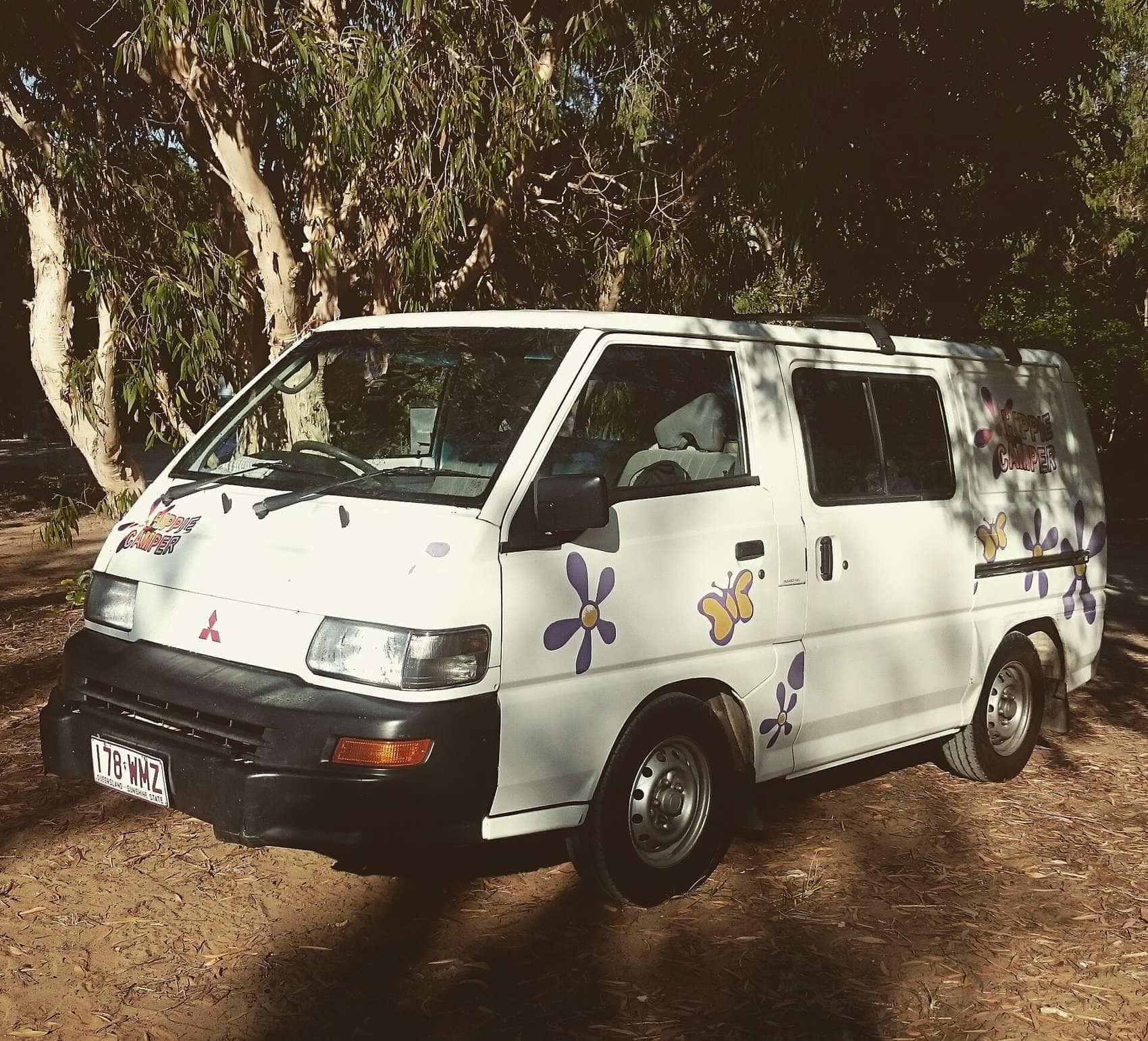
Yorke Peninsula as slow gulf and surf country: cropping land, long drives, small towns, and a different pace from an Adelaide festival week.
Read · 7 min
Sources and further reading
Facts on this page were checked against these primary and official sources. Conditions change — confirm before you travel or buy.
- South Australia — South Australian Tourism Commission
- SA national parks — National Parks and Wildlife Service SA
- Climate of Australia — Bureau of Meteorology
- Australia visitor information — Tourism Australia