Tasmania is a cool-temperate island with a wilderness core, a populated south-east, and weather that can turn a summit into a different season while Hobart stays merely breezy. That is not marketing language; it is how the Parks and Wildlife Service talks about alpine preparation. The heritage sample here keeps one child region — South East Tasmania — which is the Hobart, Tasman Peninsula, Huon and east-coast-approach country most short visits actually use.
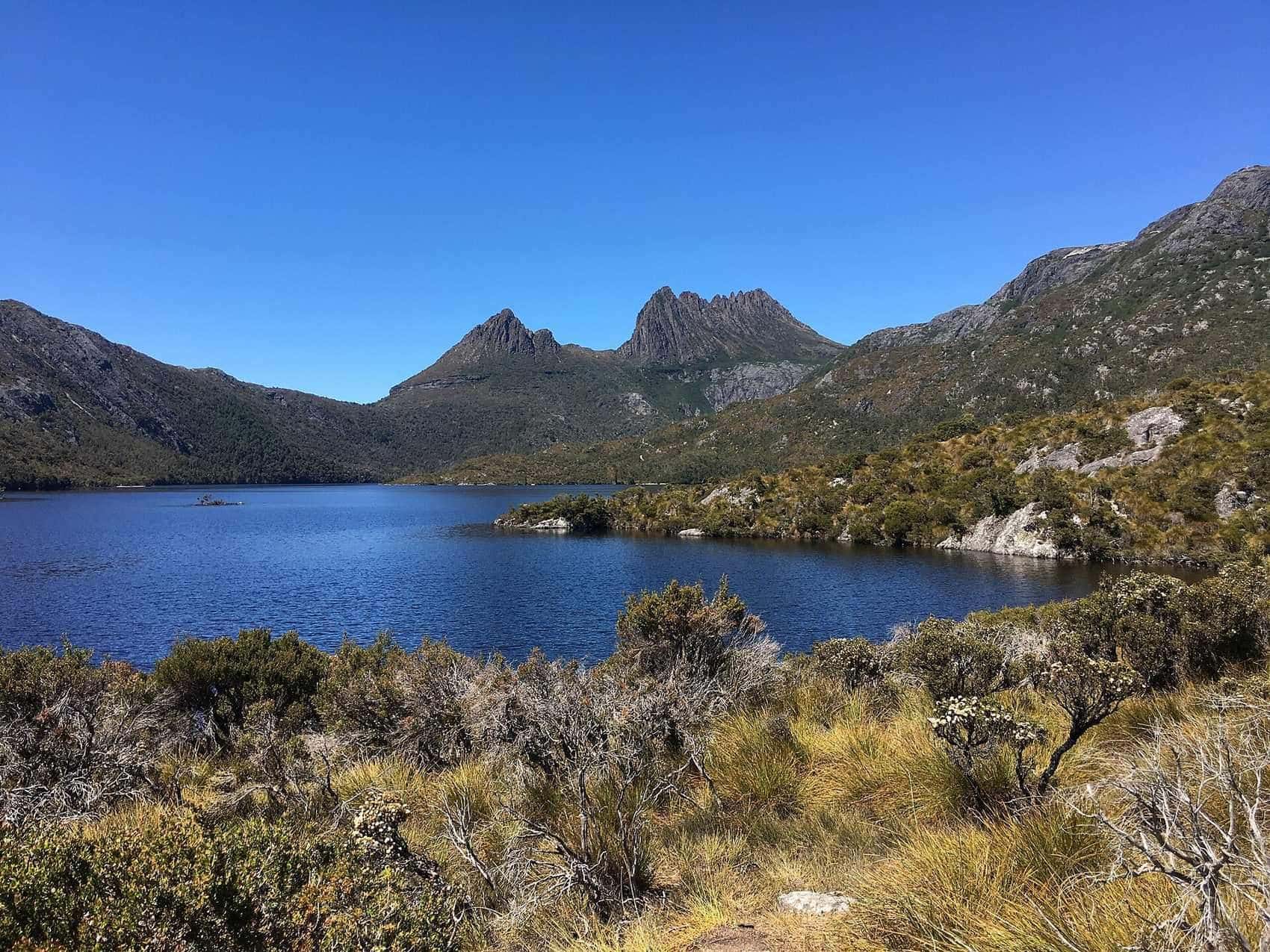
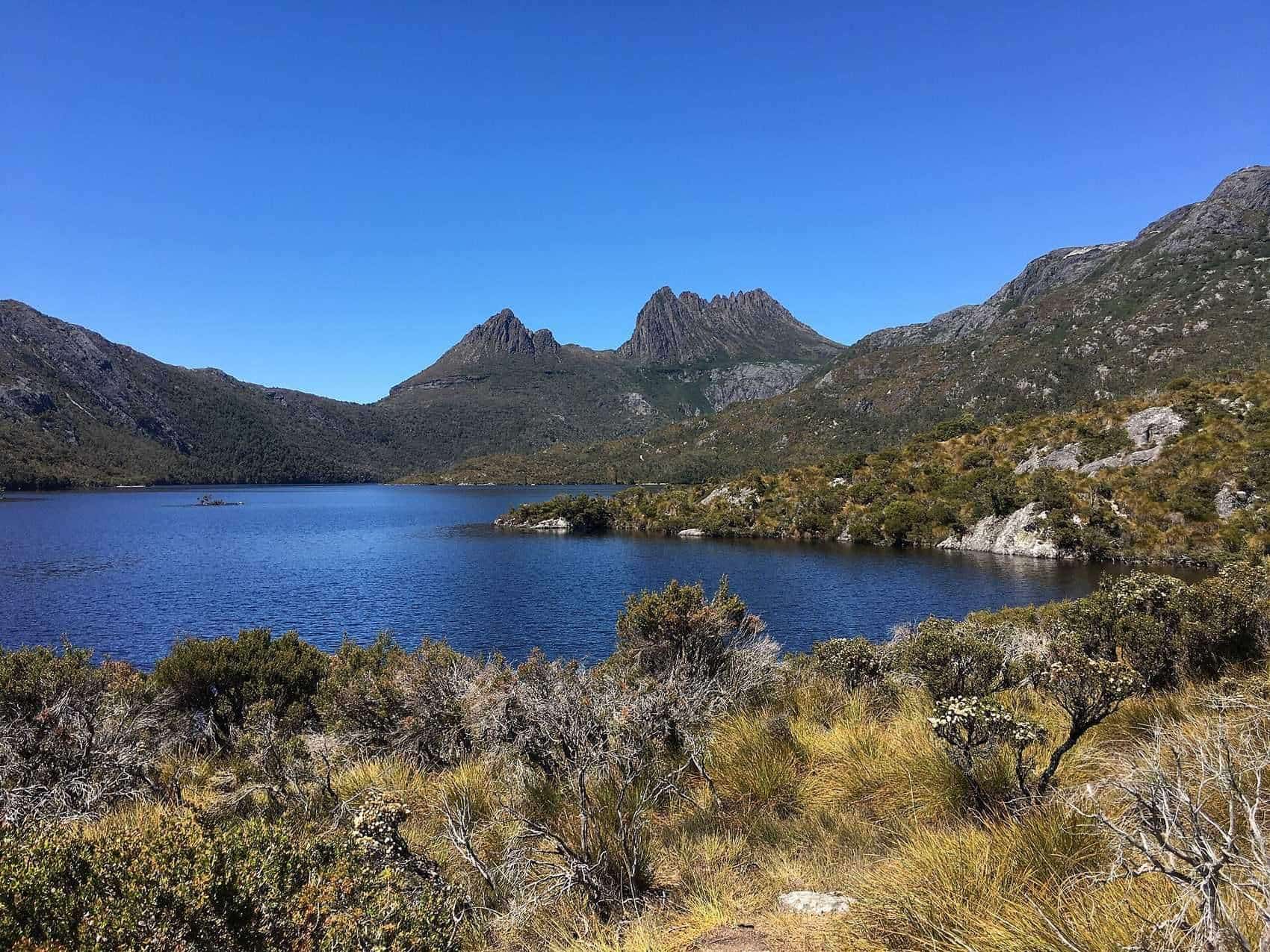
The rest of the island is still real: Cradle Mountain–Lake St Clair in the central west, the Tarkine/takayna forests, the east-coast beaches, Freycinet, and the far south-west which is not a casual day trip. They appear in this hub because they change whether you hire a car and how many nights you book. They do not get invented Joomla IDs.
When to go
Summer (December–February) is the main walking and ferry season: longer days, booked-out popular tracks, and still no guarantee of clear summits. Autumn is often stable and photogenic. Winter brings snow at altitude, short days, and seasonal closures or chain requirements on some routes. Spring is windy, floral and unpredictable. If your only Tasmanian week is July, plan for indoor Hobart, lower-altitude walks and honest expectations about Cradle Mountain views.
The Spirit of Tasmania operates between the mainland and Devonport. Schedules, sailings and vehicle versus passenger-only options change — check the operator, not a reused paragraph from 2004. Flights into Hobart and Launceston are the other gateways. The island looks small on a national map and feels large on a wet mountain road at dusk.
Without a car
It can be done. Hobart has local buses. Coach and tour networks connect Hobart, Launceston and some park gateways, especially in high season. Some overnight walks sell packages that include transfers. The cost of that approach is rigidity: miss a once-a-day coach and you miss the walk. If you need to reach scattered trailheads on your own timetable, a hire car (driving on the left, wildlife at dawn and dusk) is the tool Tasmanians themselves assume.
South-east as a first island week
Hobart is the cultural and logistical base: MONA as a ferry outing, kunanyi/Mount Wellington weather as a literal overlay on the city, Salamanca as a market precinct, and the Tasman Peninsula for cliffs, Port Arthur Historic Site (a separate conservation story), and walking. The Huon and the far south are wetter, orchard and inlet country. Maria Island and the east coast become realistic if you add nights, not hours.
Read the south-east region guide before you sketch a “whole island” figure-eight. A first week that stays south-east and adds one guided wilderness day will teach you more than a grim race to Cradle and back. Wildlife on roads is not decorative. Slow down at dusk.
Field notes for this page
Distances in Australia punish optimism. If a mapping app promises you two landscapes in one daylight window, believe the second half of that sentence more than the first. Build a spare afternoon for weather, ferries and park closures. Drink water in the heat. Slow down at dusk. Swim between the flags on patrolled beaches and treat crocodile, stinger, alpine and fire signage as instructions.
This rebuild of Aust Travel keeps clean heritage paths alive with new copy and sends messy brochure URLs toward the nearest hub. It does not keep archived prices. Official park, marine-park, road and visa pages override anything here when they disagree. Send corrections through the contact form.
Weather, bookings and the spare day
Tasmanian walking culture assumes you can cancel. Summit views on kunanyi, Cradle and the Tasman cliffs disappear inside cloud that was not on the airport forecast. Parks and Wildlife Service guidance on alpine clothing is written for people who arrived in t-shirts because Hobart’s waterfront was mild. Believe the guidance. Book the walks that require bookings. Carry food for a delay on a peninsula road behind a logging truck or a ferry queue.
Without a car, your spare day is even more important: coaches do not wait because you lingered at a lookout. With a car, the spare day is for not killing wildlife at dusk. Either way, the south-east region page is the first-week grain, and the rest of the island is a second conversation with more nights.
Food, museums and the other weather
Hobart’s museum and gallery sector, MONA as a ferry outing, and the city’s winter festivals are the indoor half of a cool-temperate island. They are not lesser than wilderness; they are how you travel here in July without pretending you are in January. Pair them with low-altitude walks and leave the exposed capes for a clear window. That is not a ranking of culture over nature. It is a calendar.
Guides in this section
Frequently asked questions
How do I get around Tasmania without a car?
Tasmania is easier with a car, but it is possible without one. Coaches and organised day tours link Hobart, Launceston and major parks; the Spirit of Tasmania carries passengers without vehicles; and some walking experiences include transfers. Allow extra time. Regional services are thinner than in large mainland cities, and timetables change with season.
Sources and further reading
Facts on this page were checked against these primary and official sources. Conditions change — confirm before you travel or buy.
- Discover Tasmania — Tourism Tasmania
- Parks Tasmania — Tasmania Parks and Wildlife Service
- Climate of Australia — Bureau of Meteorology
- Australia visitor information — Tourism Australia