The Northern Territory is a north–south country: tropical Top End, a long arid spine, and a desert centre that the rest of the world knows as Uluru. The heritage IA kept those two visitor poles — Top End and Red Centre — which is the decision most short-stay travellers actually face. The Barkly, the never-never romanticism of older Australian writing, and Arnhem Land permit country are real and mostly outside a first unpermitted visit.
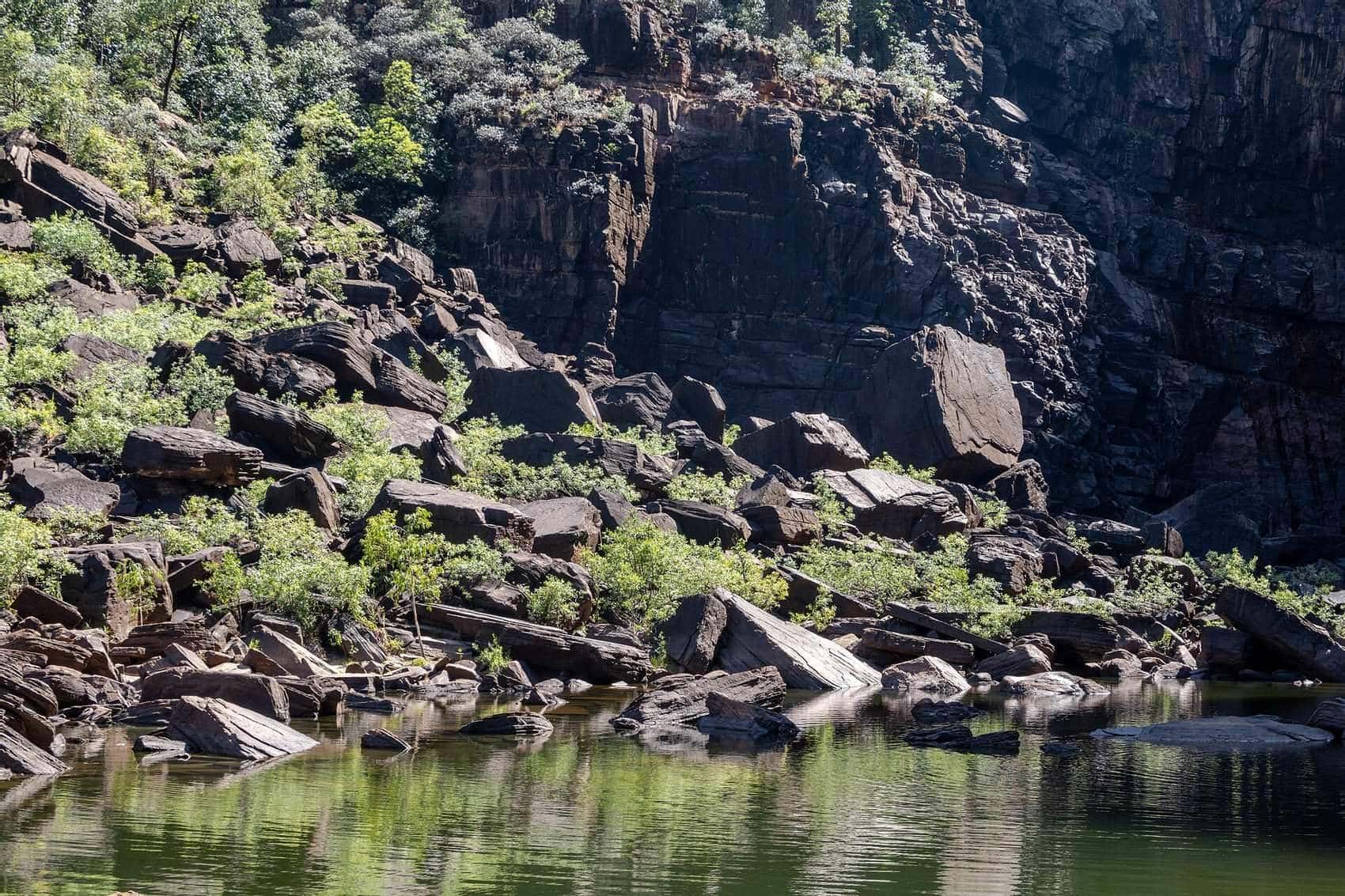
Top End climate is wet-dry tropics. The dry season (roughly May–October) is the conventional visitor season for Darwin, Kakadu, Litchfield and many waterfalls that still have water without the worst of the lightning and road closures. The wet is hotter, humid, spectacular in storms, and logistically harder. Crocodile habitat is not a metaphor in Top End rivers, billabongs and some coasts. Parks Australia and NT agencies mean the signs.
Red Centre is a different planet on the same highway
Alice Springs and Uluru–Kata Tjuta National Park sit in a desert climate: extreme summer heat, cold winter nights, and a walking season that clusters in the cooler months. The Uluru climb has been closed since 26 October 2019. That is a cultural and park-management fact, not a debate for this page. Parks Australia and Anangu set access, photography protocols at some sites, and the park pass.
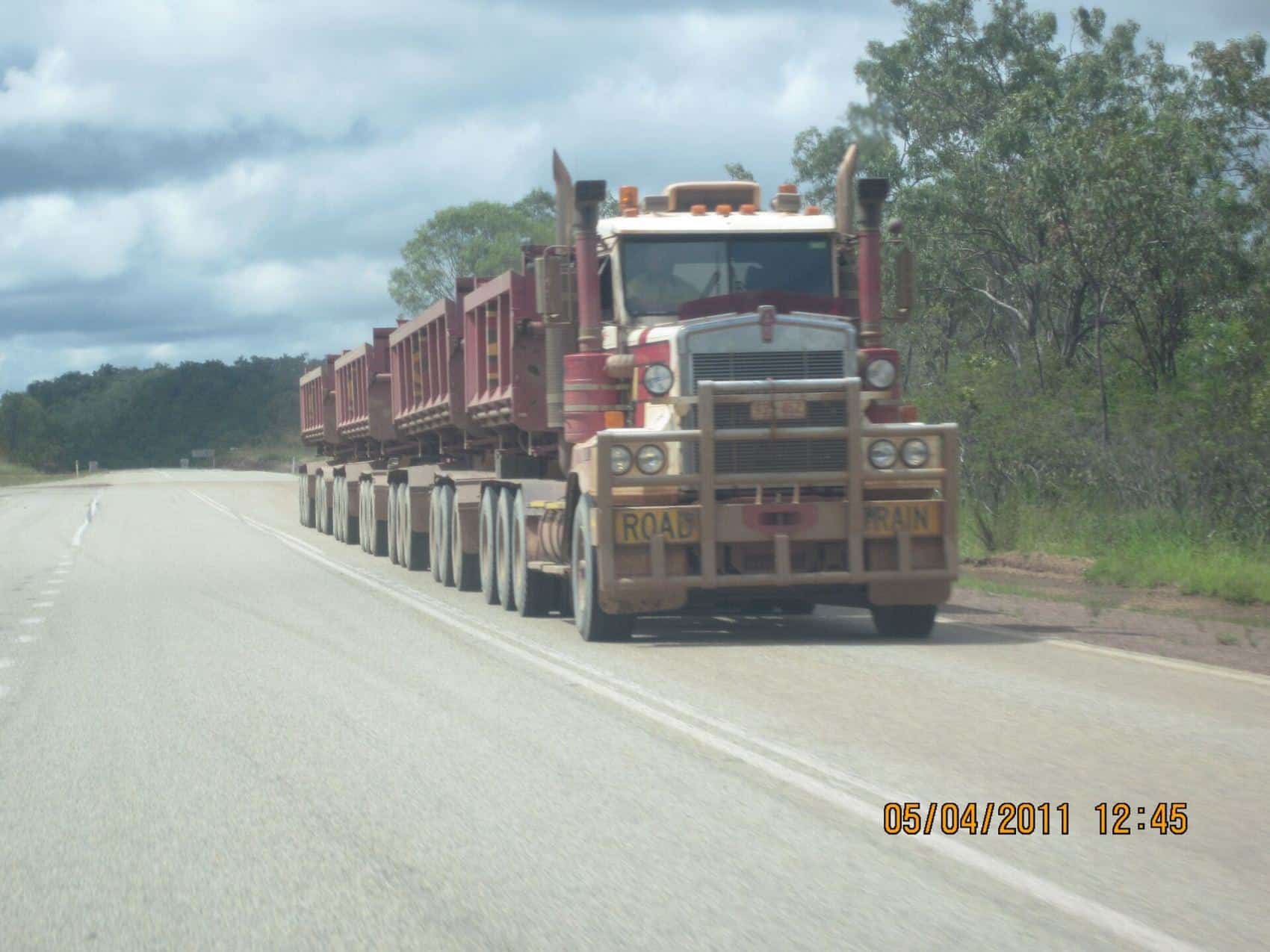
The Stuart Highway connects Darwin to Alice Springs as a long sealed run with fatigue, road trains, fuel planning and wildlife. It is not a commute. Flying between the poles is how short trips stay sane. A week that tries to “do Kakadu and Uluru” spends a large fraction of itself in a vehicle or a jet. Choose a pole unless you have two weeks and a respect for driving days.
Gateways
Darwin Airport for the Top End; Alice Springs and the airport serving the rock (Yulara) for the centre. Hire-car one-way fees exist in the real economy; we will not quote them. Drive on the left. Unsealed side roads can close after rain even in the dry. Check park and road notices the morning you leave, not the morning you booked from overseas.
Heritage guides: Top End, Red Centre. If this is your first Australia trip and your dates are July, either pole can work; if your dates are January, the centre’s heat is the primary risk conversation and the Top End is in its wet. Season first, postcard second.
Field notes for this page
Distances in Australia punish optimism. If a mapping app promises you two landscapes in one daylight window, believe the second half of that sentence more than the first. Build a spare afternoon for weather, ferries and park closures. Drink water in the heat. Slow down at dusk. Swim between the flags on patrolled beaches and treat crocodile, stinger, alpine and fire signage as instructions.
This rebuild of Aust Travel keeps clean heritage paths alive with new copy and sends messy brochure URLs toward the nearest hub. It does not keep archived prices. Official park, marine-park, road and visa pages override anything here when they disagree. Send corrections through the contact form.
Two parks, two passes, two climates
Kakadu and Uluru–Kata Tjuta are both jointly managed Commonwealth parks and they do not share a visitor pattern. One is tropical stone and wetland with a wet-season closure culture. The other is desert with a closed climb and a heat culture. Buy the correct pass. Stay on the correct tracks. Treat photography bans as law. The Stuart Highway between them is a fatigue problem with road trains, not a scenic commute.
Darwin and Alice Springs are the civic hinges. Yulara is purpose-built park service infrastructure. None of these towns is a substitute for the park, and the park is not a substitute for listening to Traditional Owners and rangers.
If your dates are locked
January: the Centre’s heat is the primary risk conversation; the Top End is wet. July: either pole can work, with cold desert nights and dry-season crowds in Kakadu. Shoulder months: check waterfall versus road access rather than assuming you get both. The FAQ on this hub exists because searchers ask “which first”. The answer remains: pick one unless you have two weeks.
More on the Northern Territory
Top End wet-dry versus Centre desert is the whole split. Kakadu and Uluru–Kata Tjuta are different passes and protocols. The climb is closed. Confirm the live version with Parks Australia and Tourism NT rather than with a screenshot from another year.
The Stuart is fatigue and road trains. January heat in the Centre is a medical conversation. January in the Top End is wet logistics. Confirm the live version with Parks Australia and Tourism NT rather than with a screenshot from another year.
July can work at either pole. Arnhem Land is mostly permit country. Crocodile signs are literal. Confirm the live version with Parks Australia and Tourism NT rather than with a screenshot from another year.
Photography bans bind. Choose one pole unless you have two weeks. Ranger talks beat a silhouette. Confirm the live version with Parks Australia and Tourism NT rather than with a screenshot from another year.
None of the extra notes on the Northern Territory invent a fare, a ranking or a quote. They exist so this URL is long enough to be useful as orientation and still short enough to finish before you book the wrong extra flight. If a park is closed, go to the museum. If the sea is up, walk the headland you can see. If the heat is dangerous, start before dawn or stay inside. That discipline is the site.
Guides in this section
Northern Territory region
Top End
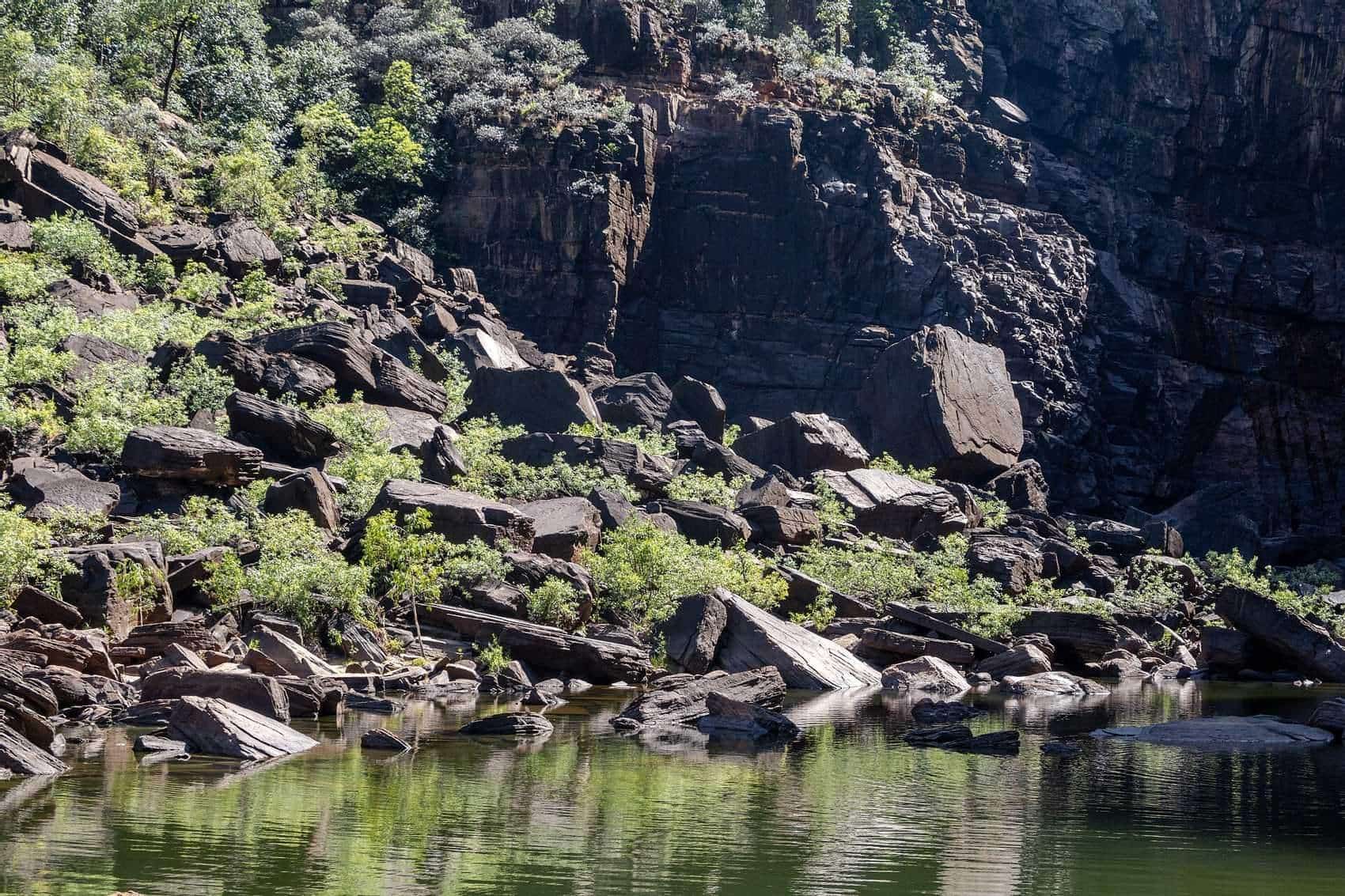
The Top End: Darwin as a tropical city, Kakadu and Litchfield as park country, crocodile habitat as literal, and the dry season as the conventional visitor window.
Read · 7 min
Northern Territory region
Red Centre
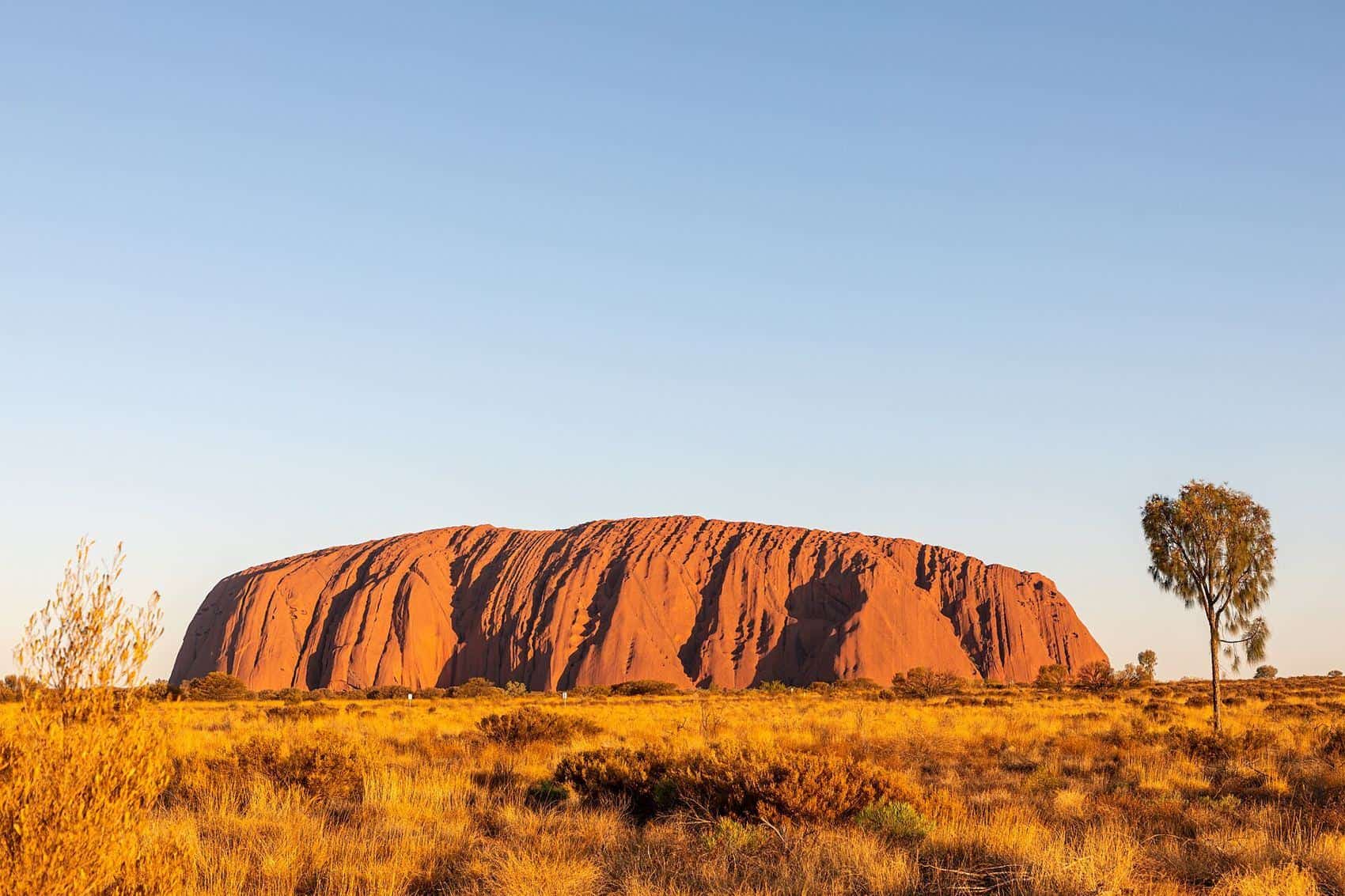
The Red Centre: Alice Springs, Uluru–Kata Tjuta, desert heat and cold, the closed climb, and why this is not a wet-season Top End substitute.
Read · 7 min
Frequently asked questions
Top End vs Red Centre — which first?
If you have one Northern Territory trip, pick by season and interest. The Top End around Darwin and Kakadu suits the dry season and wetland or rock-art country. The Red Centre around Alice Springs and Uluru–Kata Tjuta is a desert trip, most comfortable outside high summer. They are a long day’s drive or a flight apart; few short visits do both justice.
Sources and further reading
Facts on this page were checked against these primary and official sources. Conditions change — confirm before you travel or buy.
- Northern Territory — Tourism NT
- Parks Australia — Parks Australia
- Climate of Australia — Bureau of Meteorology
- Australia visitor information — Tourism Australia