The Queensland Barrier Reef region, on the old Aust Travel map, meant the inhabited coast and islands from which people actually reach the Great Barrier Reef Marine Park — Cairns and the northern beaches, Port Douglas, Mission Beach as a quieter neighbour, and the Whitsundays further south. It did not mean “every coral on the Queensland shelf in four days”. This rewrite keeps that visitor geography and drops the accommodation-discount noise that used to sit beside it.
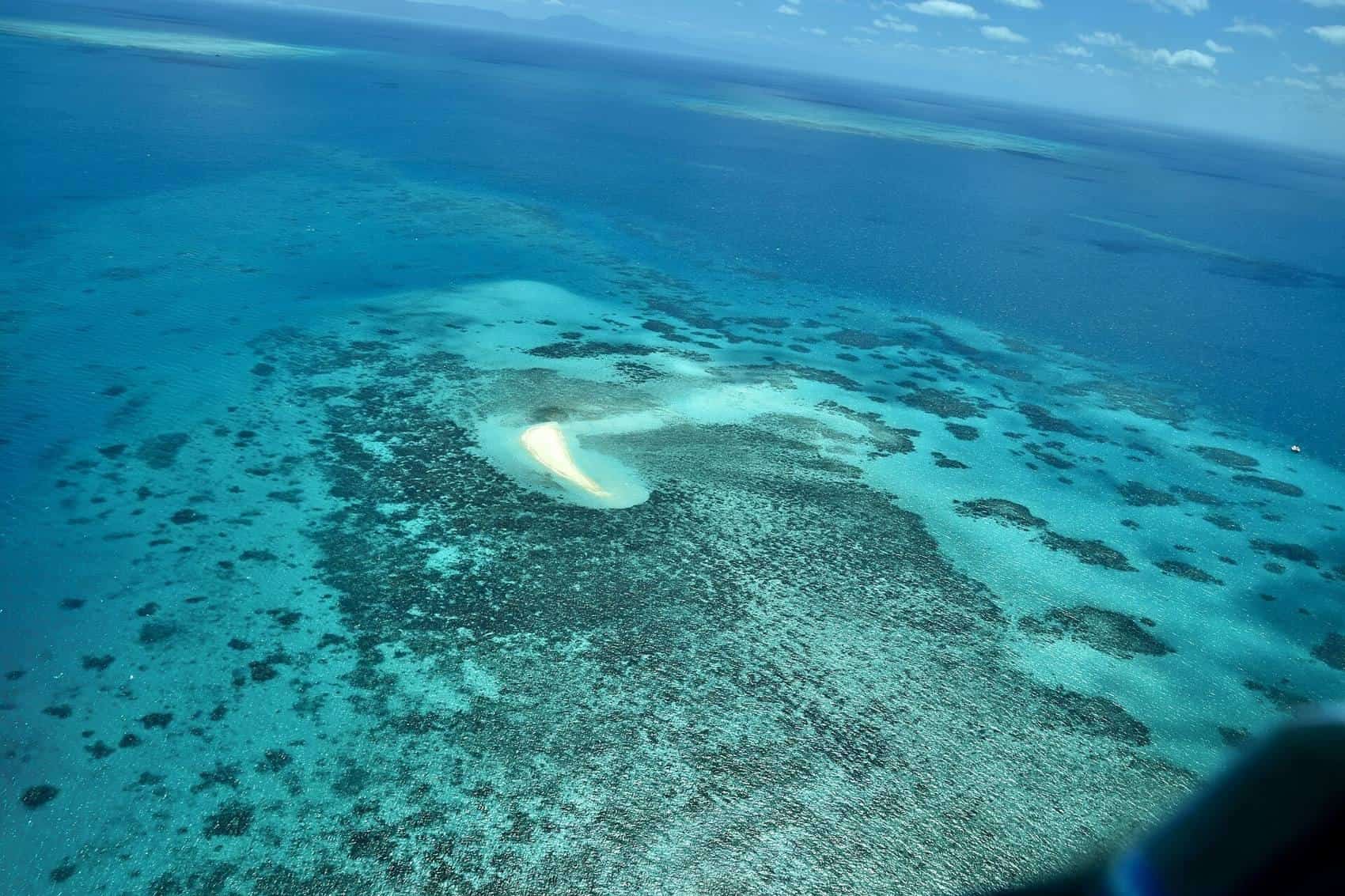
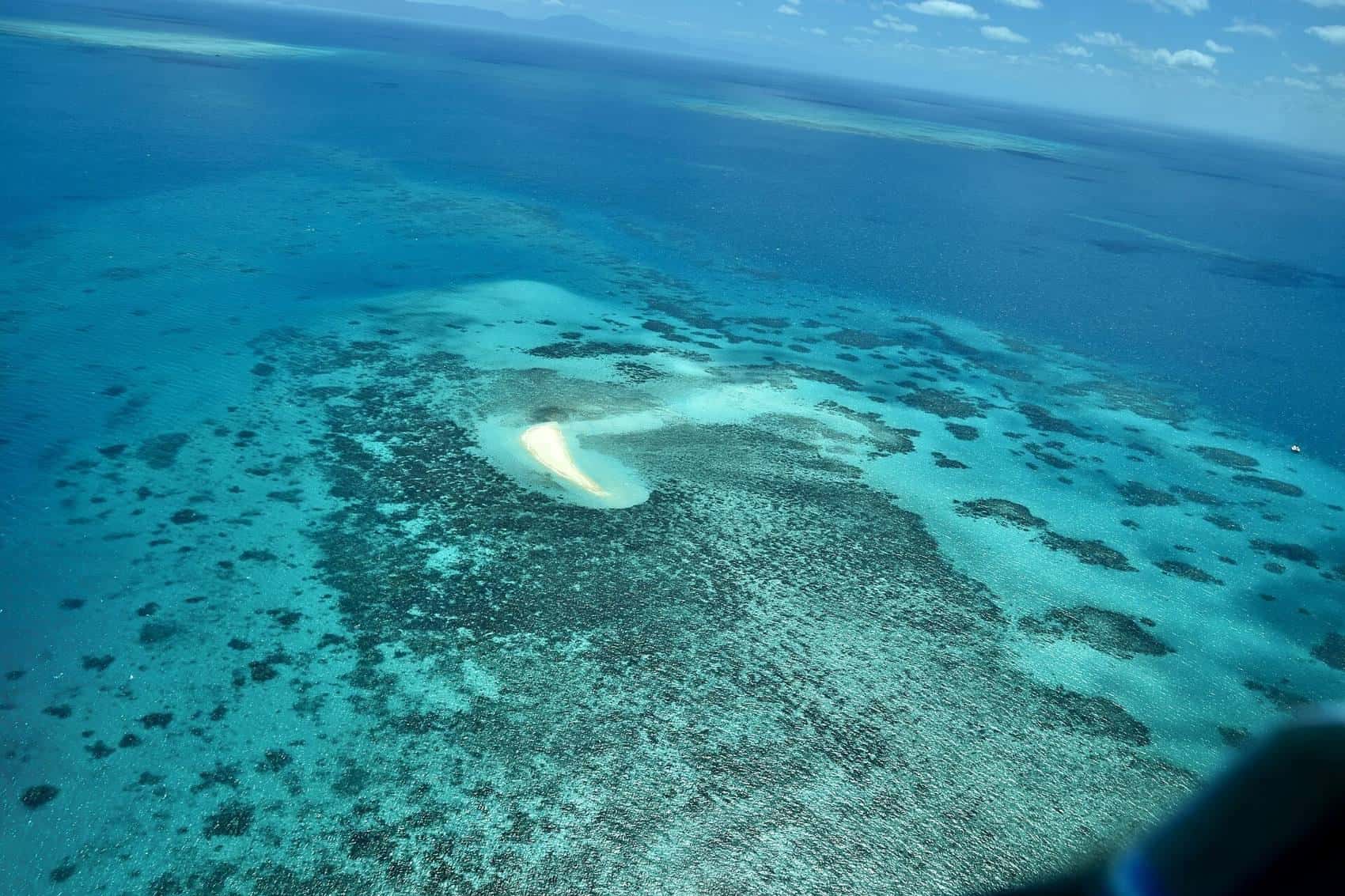
The reef itself is a World Heritage marine park with zoning set by the Great Barrier Reef Marine Park Authority. Traditional Owners have rights and responsibilities across sea country that predate the park. Bleaching events are documented in scientific and agency reporting. None of that is a reason to stay away and none of it is a reason to pretend every day is postcard water. Wind, swell, stinger season in tropical mainland waters, and park notices decide more than a packed itinerary does.
Where this region sits
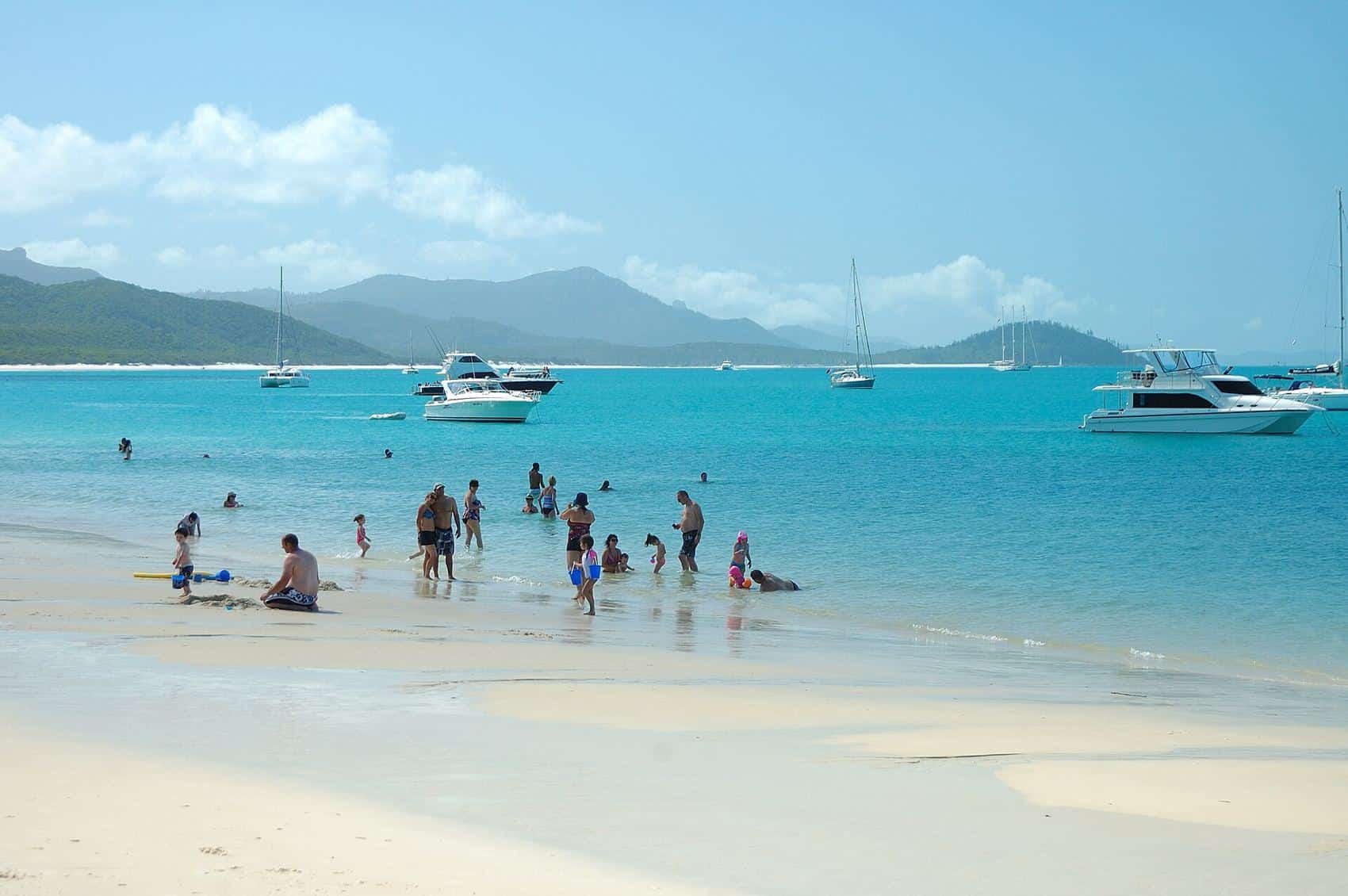
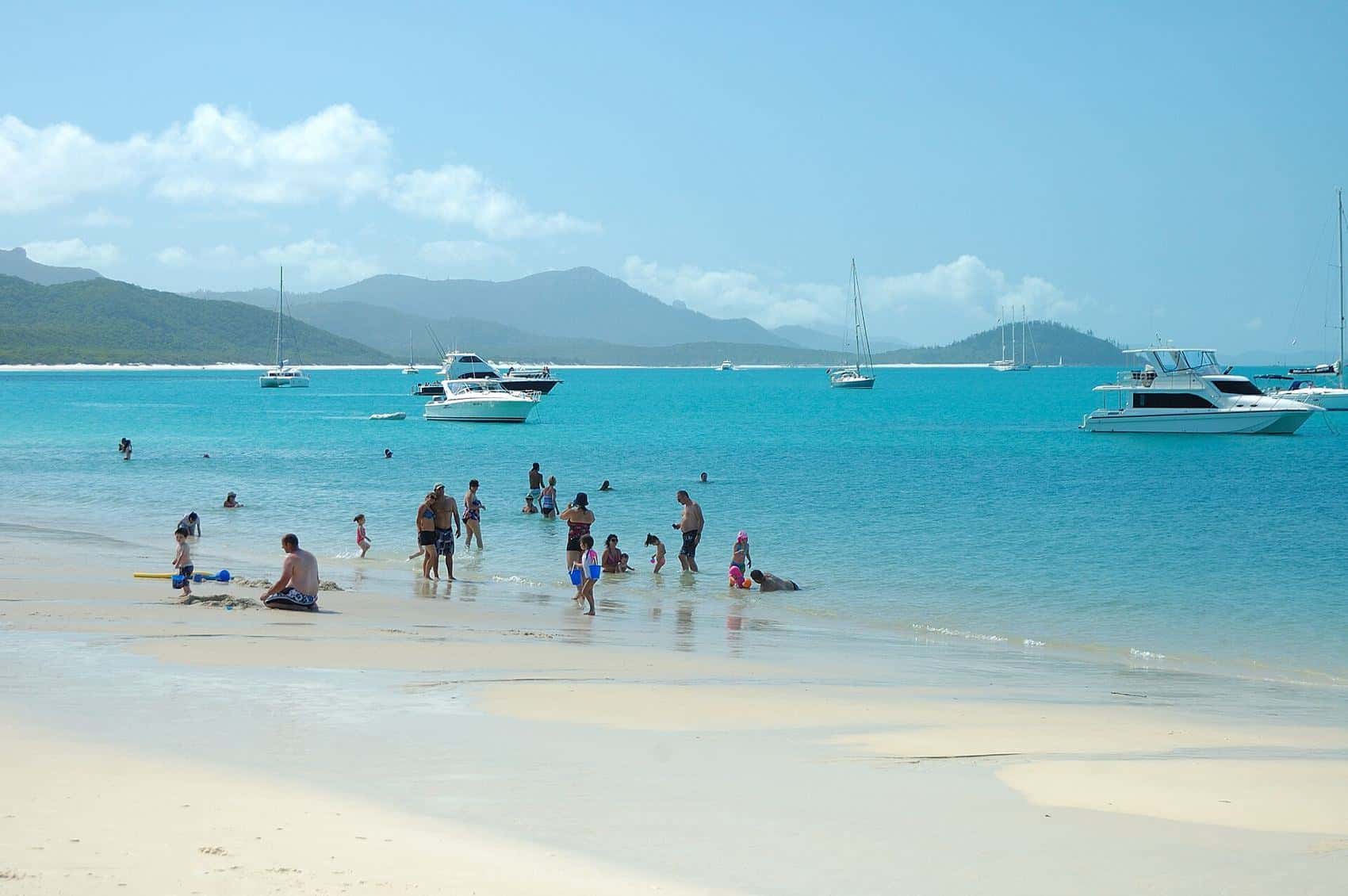
North of the Whitsundays you are in wet-tropics country: rainforest ranges dropping to a coastal plain, a lagoon, then reefs. Cairns is the aviation hinge and a working port city, not a village. Port Douglas sits further north as a smaller, still busy, stepping-off point toward the Daintree and northern reefs. The Whitsundays are a different grain — island-and-passage geography with Whitehaven’s silica beach as a famous, regulated site — usually reached via Proserpine/Hamilton Island aviation or Airlie Beach.
These gateways do not share a bus timetable you can bluff. A week based in Cairns with one reef day and one rainforest day is a coherent trip. A week that also “does the Whitsundays” is two trips wearing one hat. Read the Far North guide if the rainforest half is the point; stay on this page if the marine park is.
When to go
The comfortable visitor window along this coast is the drier, milder stretch from about May to October. That sentence is a climate pattern, not a booking guarantee. The wet season brings heat, humidity, monsoon bursts and, in some years, cyclones. Marine stingers (including irukandji and box jellyfish) are a recognised risk in tropical Queensland waters in the warmer months; local authorities describe stinger season, patrol flags, vinegar stations and protective clothing as ordinary beach practice.
Even in the dry, south-easterly trades can chop up the water and cancel outer-reef days. Build a spare day. GBRMPA and local port notices override any paragraph on this site.
Getting there and around
Fly into Cairns for the northern cluster or into the Whitsunday airports for the islands. The Bruce Highway connects them on land as a long drive with cane-train crossings, fatigue and wet-season flood risk on some links. Driving is on the left. A car is useful for Cape Tribulation roads (which have their own conditions and hire-contract limits) and useless on a pontoon.
Reef days are typically boat or aircraft operations run by licensed companies. We will not rank them. We will say: check inclusions for snorkel versus cabin, the marine-park location, cancellation rules for weather, and whether the trip is appropriate for poor swimmers. Scuba has its own medical and certification logic; see the scuba essay.
Places and landscapes, without a scorecard
Green Island, Fitzroy Island, the outer-reef pontoons, the Low Isles, and the Whitsunday passages are different distances, different facilities, and different swell exposures. Inner islands can be vegetated continental islands; true coral cays are a different ecology. Whitehaven Beach is a managed site with rules that exist because it is famous. Mainland beaches near Cairns are often stinger-netted in season rather than open tropical lagoons from a brochure.
Inland, the Wet Tropics World Heritage forests — including Daintree country — are a neighbour region with a separate management authority. Crocodile habitat in rivers and some beaches is literal. Saltwater crocodiles are not a marketing mascot.
Practical notes
Park and marine-park passes, island national-park camping bookings, and zoning maps are published by GBRMPA and Queensland Parks. Spearfishing, fishing and collecting rules vary by zone; ignorance is not a defence. Sunscreen that local marine guidance describes as reef-considerate is a courtesy and sometimes a site rule. Carry seasickness precautions if you are prone; the lagoon is not always a lake.
Respect photography restrictions around some Traditional Owner sites and marine wildlife — approaching turtles, dugong or nesting birds too closely is how people get fined and how animals get stressed.
How long to stay
Three nights is a taste (one marine day, one rest or rainforest day, one weather spare). A week in a single gateway is the first itinerary that feels like travel rather than a transfer. Two weeks could join Cairns country to the Whitsundays if you fly the gap. It still will not join this region to Uluru or the Kimberley without stealing the middle of the holiday.
Pairing
Pair with Brisbane only if you have extra nights and a domestic flight, not a heroic self-drive fantasy. Pair with the Gold Coast even less often on a first visit — different climate grain, different point. If you must see a city and a reef, Brisbane or Sydney plus Cairns as two aviation legs is the adult version.
Safety and official last word
Swim between the flags. Obey stinger and crocodile signage. Take boat safety briefings as binding. If a skipper cancels, that is the marine park doing its job. Confirm everything on GBRMPA, Queensland Parks, BOM and local council pages before you travel.
Field notes for this page
Distances in Australia punish optimism. If a mapping app promises you two landscapes in one daylight window, believe the second half of that sentence more than the first. Build a spare afternoon for weather, ferries and park closures. Drink water in the heat. Slow down at dusk. Swim between the flags on patrolled beaches and treat crocodile, stinger, alpine and fire signage as instructions.
This rebuild of Aust Travel keeps clean heritage paths alive with new copy and sends messy brochure URLs toward the nearest hub. It does not keep archived prices. Official park, marine-park, road and visa pages override anything here when they disagree. Send corrections through the contact form.
The file qld-barrier-reef is the Keystatic slug for this guide. The public URL is the heritage or hub path in the frontmatter, which is the path we keep in the sitemap.
Stinger season, nets and lycra
Tropical Queensland’s marine stinger season is described by local authorities as the warmer months, typically stretching through summer into autumn depending on the beach. Mainland swimming beaches around Cairns often use stinger nets in season; island and reef trips may issue lycra suits. This is not optional costume. Box jellyfish and irukandji are documented medical risks. Vinegar stations exist because first aid is specific. If a beach is unpatrolled and un-netted in summer, the adult decision may be not to swim.
Reef boats are still subject to wind. Outer reefs can be a long steam. Seasickness is ordinary. Cancellation is ordinary. Build the spare day into the Cairns or Airlie week so a cancelled pontoon is not the only memory.
Zoning, bleaching and what you will actually see
GBRMPA zoning maps decide where tourism, fishing and no-take apply. They are law. Bleaching events associated with marine heatwaves have been documented in agency and scientific reporting; they change coral cover without deleting the park. Visibility changes with wind and runoff. A “crystal water” photograph from a different month is not a contract. Snorkelling is the common visitor activity; scuba has medical and certification overlays covered in the scuba essay.
Traditional Owners’ sea country includes stories, rights and sometimes additional permits. Island national parks have their own camping and walking rules. Collecting coral or shells in a protected zone is how people get fined.
Gateways in practice
Cairns: aviation, hospitals, a full-service city, trips to Green and Fitzroy and outer pontoons, plus Tablelands access. Port Douglas: smaller, further north, convenient to some northern reefs and the Daintree road. Airlie Beach and the Whitsunday airports: island-and-passage geography, Whitehaven as a managed site, a different swell. Do not assume a bus between these as if they were suburbs. Flying the gap is the honest join.
Hire-car contracts may forbid some Cape Tribulation or Bloomfield surfaces. Read them before you Instagram a creek crossing.
A week that holds
Three nights: one marine day, one rainforest or island day, one weather spare. Seven nights in one gateway: two marine attempts, inland waterfalls or Tablelands, a museum or market day, and rest. Fourteen nights: then you may fly to the other gateway. Adding Brisbane or the Gold Coast is a second trip. Adding Uluru is a third. The Queensland hub exists to say this before you buy the wrong extra flight.
Sources and further reading
Facts on this page were checked against these primary and official sources. Conditions change — confirm before you travel or buy.
- Great Barrier Reef Marine Park — GBRMPA
- Queensland — Tourism and Events Queensland
- Queensland Parks — Queensland Government
- Climate of Australia — Bureau of Meteorology
- Wet Tropics — Wet Tropics Management Authority