Brisbane, in the old Aust Travel IA, was not “Queensland” and was not the Gold Coast. It was the river capital of the south-east: a grid and a loop of inner neighbourhoods, a botanic garden and parklands along the water, cultural institutions at South Bank and in the inner city, and a hinterland of volcanic ranges — Tamborine, Lamington, the Scenic Rim — that function as day-coolers and walking country.
The city is subtropical. Summers are hot and humid, with storm cells that can flood local roads faster than visitors from dry climates expect. Winters are milder than Melbourne’s and are a domestic tourism season in their own right. The Brisbane River is a working and recreational spine; CityCats and ferries are transport, not a gimmick. Flood history is real and is why some riverside paths and venues have more than one storey of memory.
Where it sits
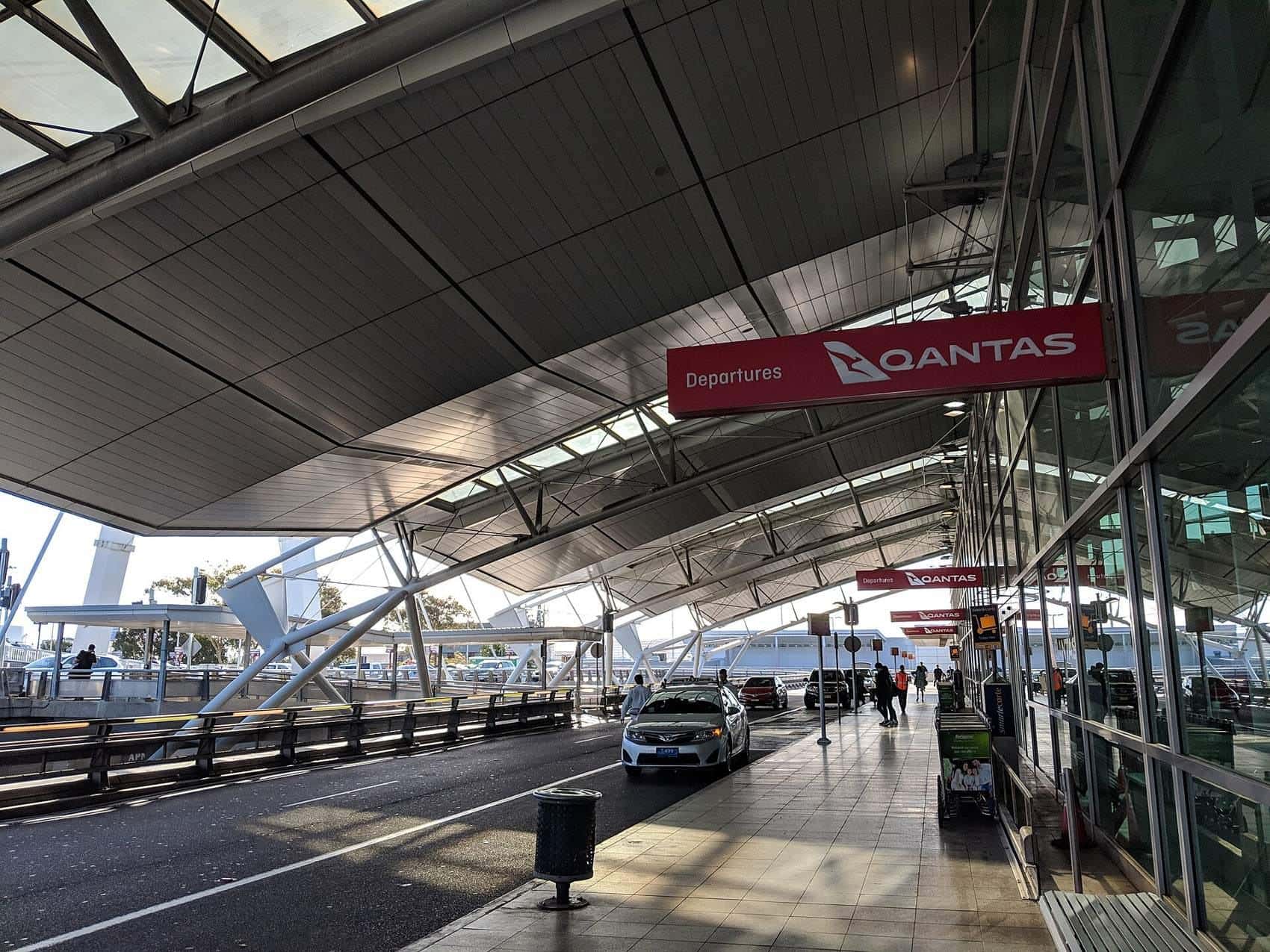
An hour south, the Gold Coast becomes a different urban beach machine. An hour north, the Sunshine Coast begins its own lower-rise coastal logic. West, the highway climbs toward Toowoomba and the Darling Downs — a different, drier, elevated climate. Brisbane Airport is the international hinge for this cluster and a domestic hinge for Cairns. That is why people land here even when the reef is the point: they change planes.
You do not need a car to use inner Brisbane. You often want one for Lamington or a Scenic Rim loop, and hire contracts plus mountain weather still apply. Drive on the left. Tolling exists on some urban roads.
When to go
March–May and August–October are often the most comfortable for walking the city and the hinterland without the peak of summer humidity or the busiest school-holiday weeks. Winter days can be bright and dry. Summer is festival and storm season. None of this cancels a good trip; it changes what you pack and whether you book a rainforest day on the first afternoon.
Bushfire and flood warnings occur. Queensland Parks and local councils close tracks. Check them.
Places without a ranking
South Bank is a post-Expo park precinct with a swimming lagoon that is a civic amenity. The cultural centre grouping — galleries, museum, stage — is a rainy-day geography. Mount Coot-tha is a city lookout and botanic garden, not a wilderness. Fortitude Valley, West End and the inner-south neighbourhoods are where the city’s food and music reputation actually lives; we will not crown a street.
The hinterland holds Gondwana rainforests, walk-it-yourself tracks, and lyrebird country that is not a theme-park queue. Lamington and Springbrook have cliff and waterfall walks that become dangerous in rain. Wear proper shoes. Take the park notices about landslides seriously.
Practical notes
Brisbane is a large Australian city: tap water is drinkable, hospitals exist, and summer storms are ordinary. Swim in designated enclosures or patrolled coastal beaches if you day-trip; the river is not a casual swim. Mosquitoes after rain are not a curiosity. Public-transport cards and apps change; use the current Translink information.
How long
Two nights covers a river day and a museum day. Four nights lets you add a hinterland day without rushing. A week in Brisbane plus one neighbouring coast is a south-east Queensland trip. A week in Brisbane plus Cairns is two trips. Read the Queensland hub if you are still trying to hold the whole state.
Pairing
Pair with the Sunshine Coast or Gold Coast as a north-or-south choice, not both, on a first short stay. Pair with the reef only by air. The Bruce Highway will take as long as it takes.
Respect
Yuggera and Turrbal Country, among others, underlie the city. Hinterland parks sit on Country with their own stories. Stick to tracks, take cultural signage as binding, and do not treat lookouts as drone playgrounds where parks forbid them.
Field notes for this page
Distances in Australia punish optimism. If a mapping app promises you two landscapes in one daylight window, believe the second half of that sentence more than the first. Build a spare afternoon for weather, ferries and park closures. Drink water in the heat. Slow down at dusk. Swim between the flags on patrolled beaches and treat crocodile, stinger, alpine and fire signage as instructions.
This rebuild of Aust Travel keeps clean heritage paths alive with new copy and sends messy brochure URLs toward the nearest hub. It does not keep archived prices. Official park, marine-park, road and visa pages override anything here when they disagree. Send corrections through the contact form.
The file qld-brisbane is the Keystatic slug for this guide. The public URL is the heritage or hub path in the frontmatter, which is the path we keep in the sitemap.
River, flood and the civic day
The Brisbane River has flooded in living memory; some paths and venues carry that history in their design. CityCats remain a useful way to read the city without a car. South Bank’s lagoon is chlorinated civic swimming, not the river. The Gallery of Modern Art and the Queensland Museum are how you spend a storm afternoon. Mount Coot-tha’s lookout is a city view; the botanic gardens there are a quieter hour than the lookout carpark.
Summer storms can be violent and brief. Flash flooding of local roads is ordinary enough that locals talk about it without drama. Visitors from dry climates should not drive into water. BOM warnings are the live instruction.
Hinterland as a cooler climate
Lamington and Springbrook are rainforest ranges with cliff walks, lyrebirds, and leeches after rain. They are not a theme-park queue. The roads are winding; cloud sits on the escarpment while the CBD glares. People slip on wet rock. Parks close tracks after landslides. Wear shoes with grip. Start earlier than the café strip suggests.
Tamborine and the Scenic Rim mix small towns with forest. They are day trips from Brisbane if you do not also attempt the Gold Coast beaches on the same afternoon.
South-east pairing without greed
Brisbane plus Gold Coast plus Sunshine Coast plus a reef flight is four itineraries. Brisbane plus one coast is a south-east week. Brisbane plus hinterland without a beach is a valid week in storm season. The airport is a hinge to Cairns; use it as a hinge, not as a reason to “see Queensland” in seventy-two hours.
More on Brisbane
CityCat ferries are commuter craft that double as a way to read the river without hiring a car in the CBD. South Bank’s swimming lagoon is a constructed civic pool, which matters when visitors assume they can swim the Brisbane River. The Gallery of Modern Art and the Queensland Museum sit in a cultural precinct designed for storm afternoons. Confirm the live version with Translink, Queensland Parks and BOM rather than with a screenshot from another year.
Mount Coot-tha’s lookout carpark fills at sunset; the botanic gardens beside it are the quieter hour. Lamington’s Border Track and neighbours become skating rinks after rain, which is most of some summers. Springbrook’s cliff lookouts close after rockfall; the closure is a geology fact, not a suggestion. Confirm the live version with Translink, Queensland Parks and BOM rather than with a screenshot from another year.
The Scenic Rim’s country towns are agricultural first and visitor second, especially on weekday mornings. Toowoomba west of the range is a different, elevated climate that this heritage URL does not try to annex. Flood markers on riverside paths are civic memory from events locals still date by year. Confirm the live version with Translink, Queensland Parks and BOM rather than with a screenshot from another year.
Summer storms can drop enough water in an hour to close underpasses; do not drive into the water. A hinterland day and a Gold Coast beach day do not share a relaxed afternoon on the M1. Yuggera and Turrbal Country underlie the grid; hinterland parks have their own Traditional Owner stories on signage that is worth stopping for. Confirm the live version with Translink, Queensland Parks and BOM rather than with a screenshot from another year.
Brisbane Airport’s domestic connections to Cairns are why people treat the city as a hinge rather than a destination — it can be both if you give it nights. Winter in the south-east is a genuine domestic tourism season with clearer humidity and busy weekend markets. CityCycle and later bike-share schemes change names; the river loop as a walking idea remains. Confirm the live version with Translink, Queensland Parks and BOM rather than with a screenshot from another year.
None of the extra notes on Brisbane invent a fare, a ranking or a quote. They exist so this URL is long enough to be useful as orientation and still short enough to finish before you book the wrong extra flight. If a park is closed, go to the museum. If the sea is up, walk the headland you can see. If the heat is dangerous, start before dawn or stay inside. That discipline is the site.
Sources and further reading
Facts on this page were checked against these primary and official sources. Conditions change — confirm before you travel or buy.
- Queensland — Tourism and Events Queensland
- Queensland Parks — Queensland Government
- Climate of Australia — Bureau of Meteorology
- Australia visitor information — Tourism Australia