Scuba in Australia is a family of environments that share a regulator and almost nothing else: the Great Barrier Reef and Coral Sea in the tropics, Ningaloo on the west, temperate reefs in NSW, Victoria, South Australia and Tasmania, and flooded quarries and training pools in cities. The old Aust Travel article sat in a Queensland-heavy portal. This rewrite says the quiet part: a first ocean dive on a choppy outer reef is not a first ocean dive in a sheltered bay, and nobody on this site will rank a boat.
Certification (Open Water and beyond) is issued by training agencies and recognised, with conditions, by dive operators. Medical questionnaires exist because diving injuries are real. If you have to hide a medical fact to get in the water, you should not be in the water. We will not name a cheapest course.
Tropical seas
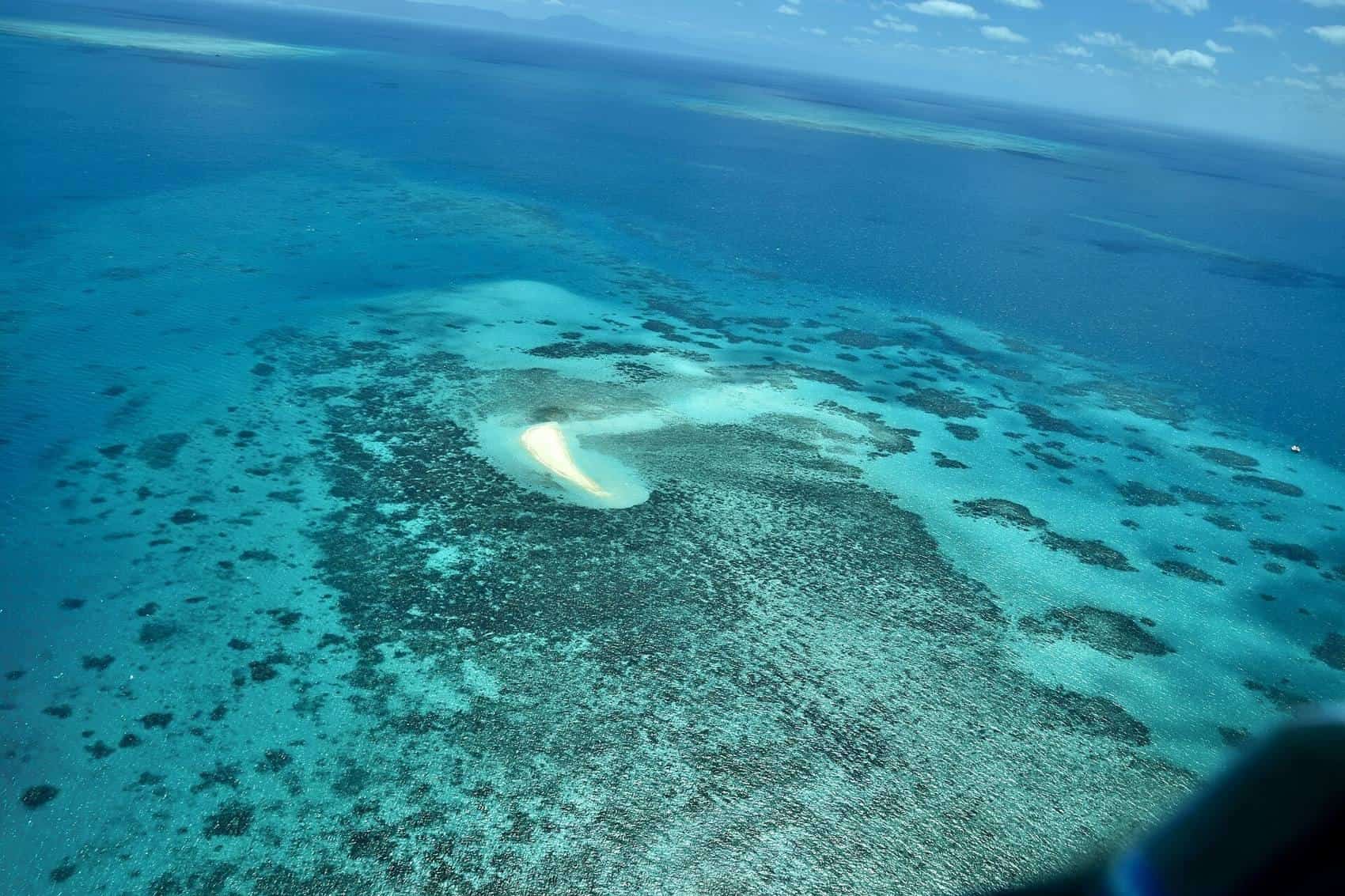
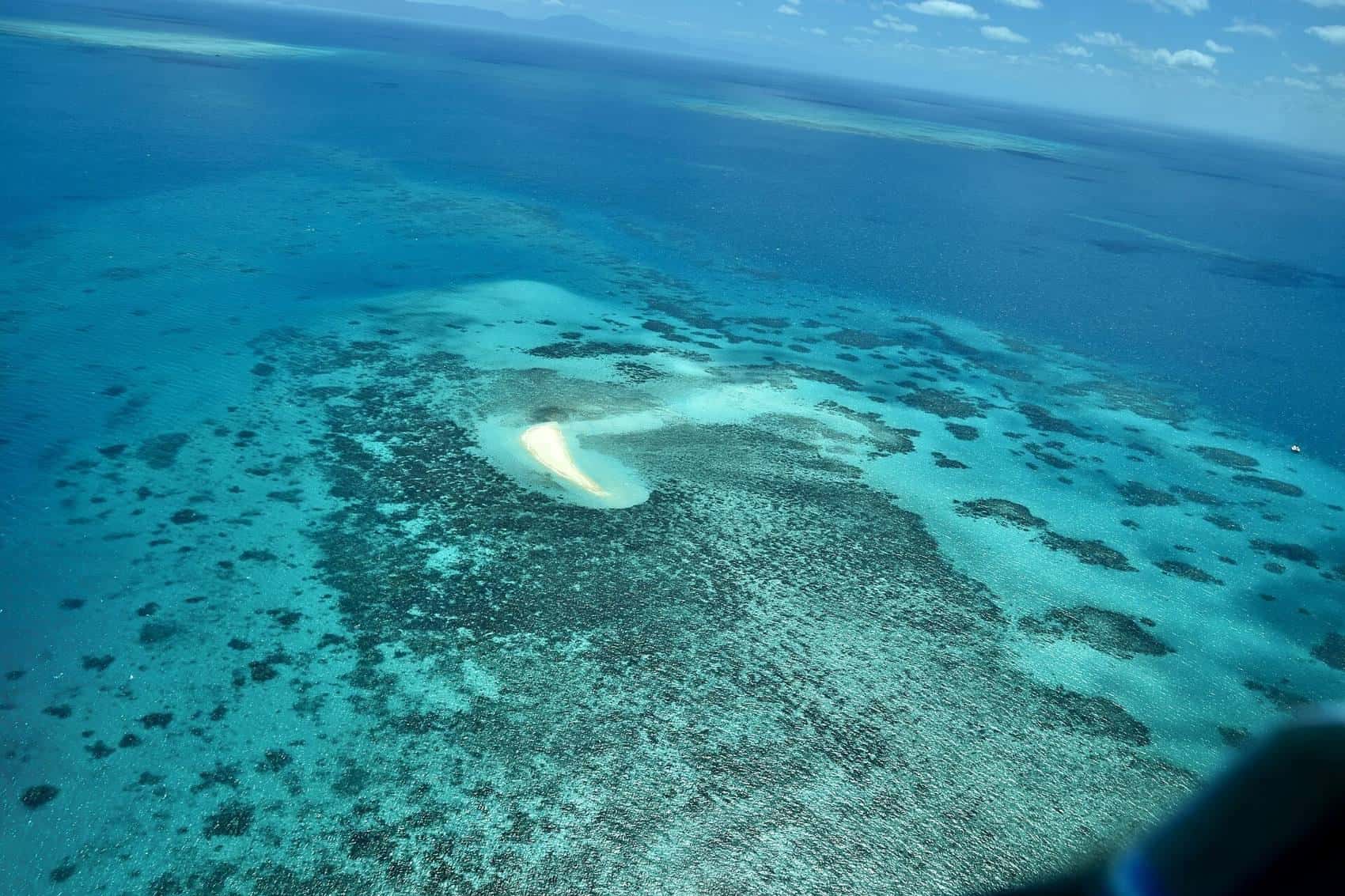
The Queensland Barrier Reef region is the volume destination. Visibility, current, stingers on some mainland beaches, and cyclone-season cancellations are the planning facts. GBRMPA zoning decides where you can dive and whether you can fish or collect. Bleaching events change what you see without changing the park’s value as a managed ecosystem. Read the Barrier Reef region guide for gateways; this page is the underwater overlay.
Ningaloo and other western sites are a different trip with different seasons and shark-and-sanctuary rules. They are not a Cairns afternoon.
Temperate seas
Southern Australia has kelp, seals, wrecks and colder water. Exposure protection (wetsuit thickness) is a comfort and safety item, not a fashion. Boat days still cancel. Some wrecks are heritage-listed with no-touch rules. NSW, Victorian and Tasmanian park and fisheries pages are the authority.
Practical planning
Build a spare day. Log books, insurance that actually covers diving (see the insurance essay), and an honest swell forecast matter. Shore diving has its own entry-and-exit skills. Night diving is an extra qualification of judgement even if your card allows it.
Do not chase megafauna into unsafe distances. Codes of conduct for whales, turtle and shark encounters exist because people kept getting closer.
Duration and pairing
A dedicated dive week belongs on one coast. Mixing a Sydney harbour certification with a Far North liveaboard is two trips. Pair with walking or city days that can absorb a cancellation.
How this essay sits on Aust Travel
This page keeps a clean heritage article path so searchers who still hold the old URL land on rewritten advice, not a brochure. It is not a booking sheet. For region climate and gateways, return to the hub links above. For entry paperwork, the Department of Home Affairs is the authority, not a portal archive.
If a sentence here ever disagrees with a park alert, a marine-park notice, a road closure or a visa page, the official page wins. Send corrections via contact.
Related reading: Reef region, plan hub.
Australian operators are regulated in a web of workplace, marine-park and tourism rules that change. Confirm the current requirement for the state you are in. This essay will not quote a tank price, a course fee or a “best liveaboard”. If a page needs those numbers to function, it should not be on Aust Travel.
A note on snorkelling: it is not scuba, it has its own drowning and stinger statistics, and it is the more common visitor activity on the reef. Many of the weather and zoning facts still apply. Wear the stinger protection local authorities describe in season, even if the boat is air-conditioned on the way out.
Training in a pool in January in Hobart is a different thermal experience from a shore dive in Darwin. Choose the sea that matches the region you already picked on the regions hub. Diving should follow the itinerary, not yank it two thousand kilometres because a video looked clear.
Field notes for this page
Distances in Australia punish optimism. If a mapping app promises you two landscapes in one daylight window, believe the second half of that sentence more than the first. Build a spare afternoon for weather, ferries and park closures. Drink water in the heat. Slow down at dusk. Swim between the flags on patrolled beaches and treat crocodile, stinger, alpine and fire signage as instructions.
This rebuild of Aust Travel keeps clean heritage paths alive with new copy and sends messy brochure URLs toward the nearest hub. It does not keep archived prices. Official park, marine-park, road and visa pages override anything here when they disagree. Send corrections through the contact form.
The file scuba is the Keystatic slug for this guide. The public URL is the heritage or hub path in the frontmatter, which is the path we keep in the sitemap.
Training, medicals, and the first ocean day
Open Water courses in a quarry or pool are not the outer reef. The first ocean day should match the sea you are in: sheltered temperate bay versus choppy lagoon. Medical questionnaires exist because lung and heart surprises kill divers. Insurance must actually cover diving. Log books matter to operators. We still will not name a school.
Temperate kelp and tropical coral are different thermal and buoyancy problems. Wetsuit thickness is safety. Boat briefings are binding. Night dives and overhead environments are extra judgement even when a card allows them.
Wildlife distance
Codes of conduct for turtles, rays, sharks and whales exist because people kept closing the gap. Chasing megafauna is how encounters end. GBRMPA and state fisheries pages win. Shore entries have their own dump-and-surge skills. If you cannot describe your exit, you should not enter.
More on Australian scuba environments
A quarry Open Water course is not an outer-reef day. Medical questionnaires exist because diving injuries are real. Insurance must name diving or you are swimming uninsured. Confirm the live version with GBRMPA and state fisheries agencies rather than with a screenshot from another year.
Temperate kelp needs thermal protection tropical lagoons do not. GBRMPA zoning is law for where you breathe underwater. Ningaloo is a different ocean and season from Cairns. Confirm the live version with GBRMPA and state fisheries agencies rather than with a screenshot from another year.
Wrecks can be heritage-listed with no-touch rules. Boat briefings bind; cancelled steam-outs are the marine park working. Night and overhead environments need extra judgement even when a card allows them. Confirm the live version with GBRMPA and state fisheries agencies rather than with a screenshot from another year.
Wildlife approach distances exist because people kept closing the gap. Shore entries require an exit plan you can describe. Snorkelling is the more common reef activity and still has drowning and stinger statistics. Confirm the live version with GBRMPA and state fisheries agencies rather than with a screenshot from another year.
None of the extra notes on Australian scuba environments invent a fare, a ranking or a quote. They exist so this URL is long enough to be useful as orientation and still short enough to finish before you book the wrong extra flight. If a park is closed, go to the museum. If the sea is up, walk the headland you can see. If the heat is dangerous, start before dawn or stay inside. That discipline is the site.
Practical rhythm for Australian scuba environments
A further way to hold Australian scuba environments in mind: A quarry Open Water course is not an outer-reef day. That clause is small on purpose; together they are the trip. A further way to hold Australian scuba environments in mind: Medical questionnaires exist because diving injuries are real. That clause is small on purpose; together they are the trip.
A further way to hold Australian scuba environments in mind: Insurance must name diving or you are swimming uninsured. That clause is small on purpose; together they are the trip. A further way to hold Australian scuba environments in mind: Temperate kelp needs thermal protection tropical lagoons do not. That clause is small on purpose; together they are the trip.
A further way to hold Australian scuba environments in mind: GBRMPA zoning is law for where you breathe underwater. That clause is small on purpose; together they are the trip. A further way to hold Australian scuba environments in mind: Ningaloo is a different ocean and season from Cairns. That clause is small on purpose; together they are the trip.
A further way to hold Australian scuba environments in mind: Wrecks can be heritage-listed with no-touch rules. That clause is small on purpose; together they are the trip. A further way to hold Australian scuba environments in mind: Boat briefings bind; cancelled steam-outs are the marine park working. That clause is small on purpose; together they are the trip.
A further way to hold Australian scuba environments in mind: Night and overhead environments need extra judgement even when a card allows them. That clause is small on purpose; together they are the trip. A further way to hold Australian scuba environments in mind: Wildlife approach distances exist because people kept closing the gap. That clause is small on purpose; together they are the trip.
A further way to hold Australian scuba environments in mind: Shore entries require an exit plan you can describe. That clause is small on purpose; together they are the trip. A further way to hold Australian scuba environments in mind: Snorkelling is the more common reef activity and still has drowning and stinger statistics. That clause is small on purpose; together they are the trip.
Use GBRMPA and state fisheries agencies on the morning you move. This paragraph exists so the page clears an editorial length bar without copying archive text or inventing commercial claims.
Sources and further reading
Facts on this page were checked against these primary and official sources. Conditions change — confirm before you travel or buy.
- Great Barrier Reef Marine Park — GBRMPA
- Queensland — TEQ
- Australia visitor information — Tourism Australia
- Climate of Australia — Bureau of Meteorology